1.The Scapegoat Mechanism
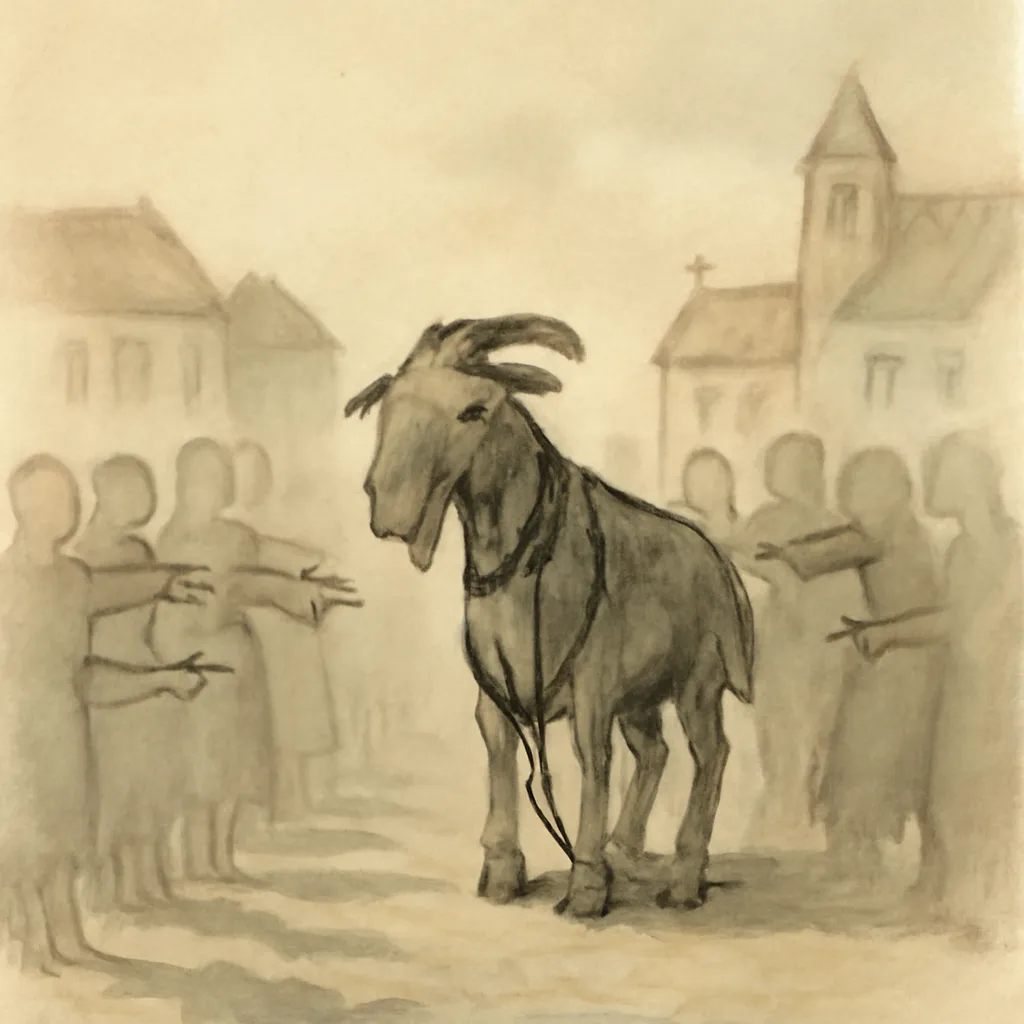
At the heart of The Fixer is the story of Yakov Bok, a Jewish handyman unjustly accused of murdering a Christian boy. Malamud uses Yakov’s ordeal to illuminate how societies manufacture scapegoats, particularly in times of unrest. The novel exposes the machinery of prejudice and the willingness of authorities to sacrifice the innocent for political convenience. Through Yakov’s suffering, Malamud critiques the broader phenomenon of institutionalized antisemitism and the dangerous ease with which truth is abandoned for the sake of maintaining social order.
2.Endurance and Integrity
Yakov’s refusal to confess to a crime he did not commit—even under torture and deprivation—serves as a meditation on personal integrity. The Fixer explores what it means to hold onto one’s principles when all hope seems lost. Malamud suggests that dignity can survive even in the darkest circumstances, and that the act of bearing witness to injustice is itself a form of resistance.
3.The Weight of History
Set against the backdrop of early 20th-century Russia, the novel draws on real events (the Beilis blood libel case) to highlight the recurring patterns of historical persecution. Malamud situates Yakov’s personal tragedy within a broader context of Jewish suffering, suggesting that individual fates are often shaped by the tides of history and collective prejudice.
4.Faith, Doubt, and Identity
Yakov is a secular Jew, skeptical of religion, yet his ordeal forces him to confront questions of faith, identity, and belonging. The Fixer probes the complexities of Jewish identity in a hostile world, and the tension between assimilation and solidarity. Malamud explores how suffering can both fracture and reinforce a sense of self and community.
5.Justice and the Law
The novel is a powerful indictment of legal systems corrupted by bigotry and political expedience. Through the Kafkaesque bureaucracy and cruelty faced by Yakov, Malamud dramatizes the dangers of unchecked state power and the fragility of justice. The Fixer asks readers to consider the responsibilities of individuals and societies in confronting injustice.
6.Isolation and the Human Connection
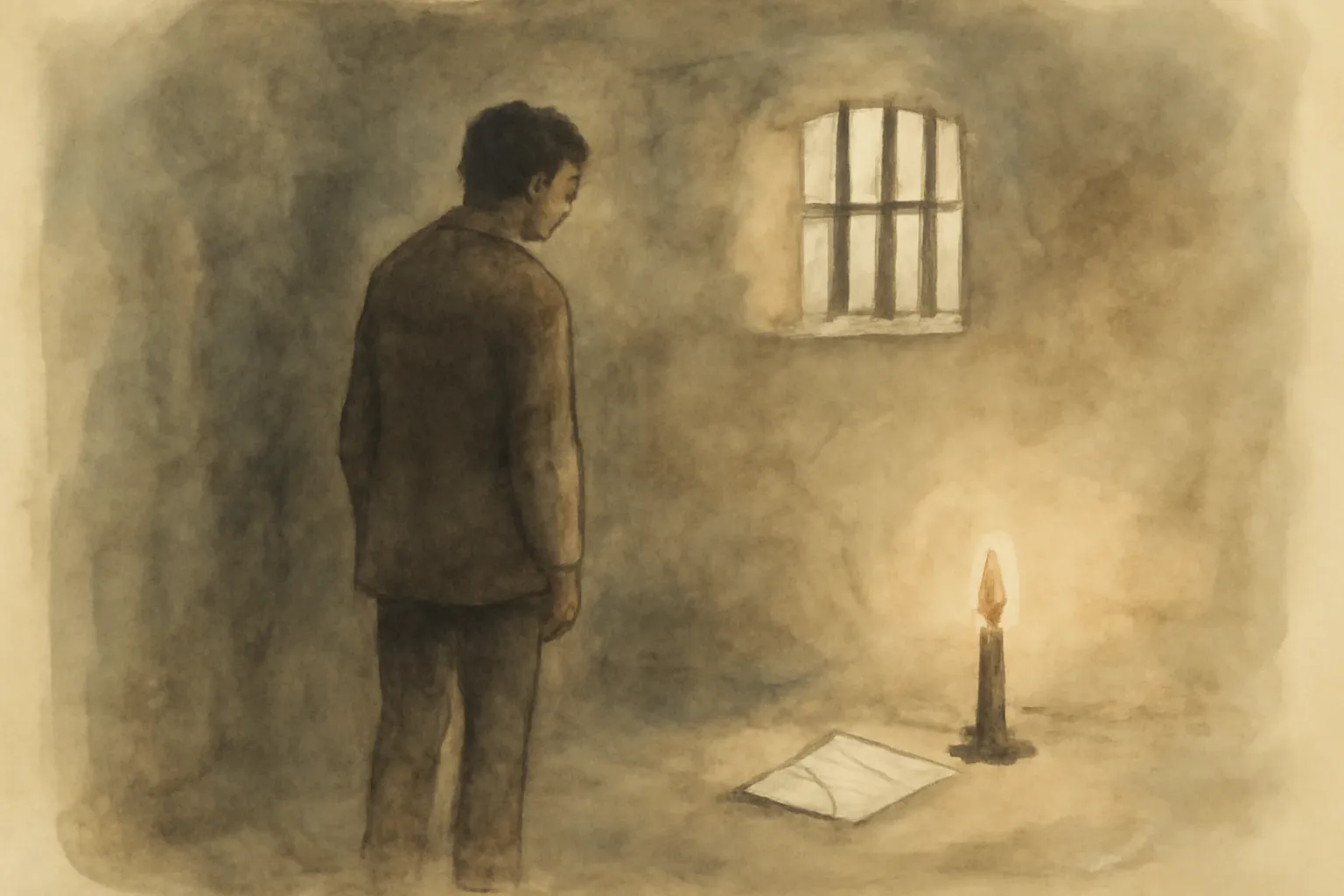
Much of the novel is set in the isolation of Yakov’s prison cell, yet his inner life remains vibrant. Malamud explores the psychological effects of solitary confinement and the human need for connection, memory, and hope. The Fixer suggests that even in isolation, the bonds of empathy and imagination can sustain the spirit.