

Totalitarianism · Fiction · Balkan peninsula, fiction
The Palace of Dreams by Ismail Kadare — Summary, Key Ideas & Quotes
1993205 pages✦ 3-min Big ideas★ 3.5 (4)
Rate it
At the heart of the Sultan's vast empire stands the mysterious Palace of Dreams. Inside, the dreams of every citizen are collected, sorted and interpreted in order to identify the 'master-dreams' that will provide the clues to the Empire's destiny and that of its Monarch. An entire nation's consciousness is thus meticulously laid bare and at the mercy of its government... The Palace of Dreams is Kadare's macabre vision of tyranny and oppression, and was banned upon publication in Albania in 1981.
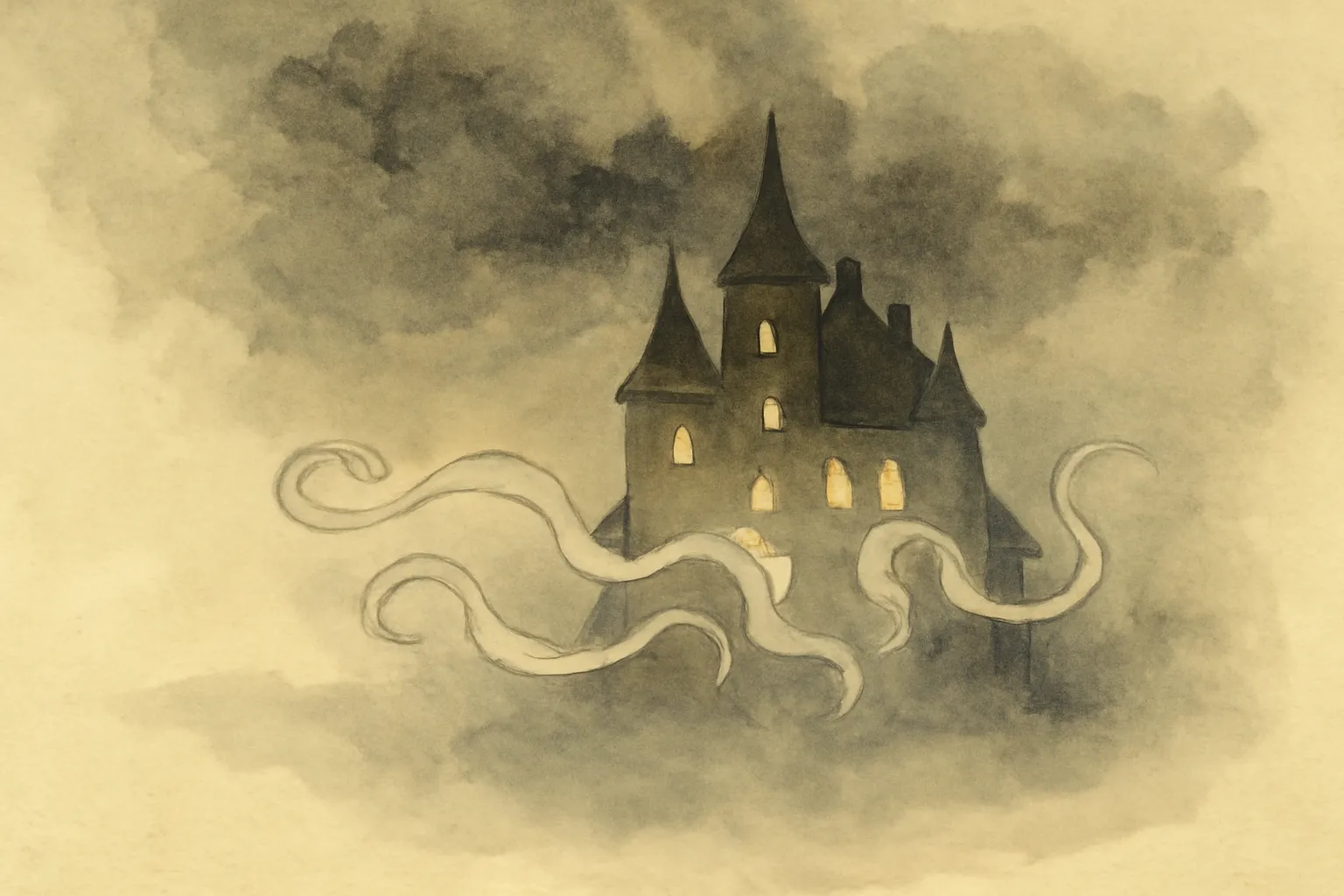
In Kadare’s imagined empire, dreams are not private but public property, meticulously gathered and analyzed by the state. The Palace of Dreams, a vast bureaucratic institution, symbolizes the regime’s ambition to penetrate even the most intimate recesses of the mind. By making dreams subject to official scrutiny, the novel explores how authoritarian systems seek to dominate not just actions and words, but also thoughts and subconscious desires. This chilling premise raises questions about the limits of state power and the erosion of personal freedom.
The novel’s protagonist, Mark-Alem, finds himself caught in the labyrinthine bureaucracy of the Palace. Kadare meticulously depicts the dehumanizing rituals, arbitrary hierarchies, and suffocating routines that define life within the institution. The Palace becomes a metaphor for the faceless machinery of totalitarian regimes, where individuality is subsumed by the collective, and meaning is lost in endless paperwork and ritual. The effect is a Kafkaesque sense of alienation and helplessness.
“The greatest danger was not in the dream itself, but in its interpretation.”