1.Dreams as Instruments of Power
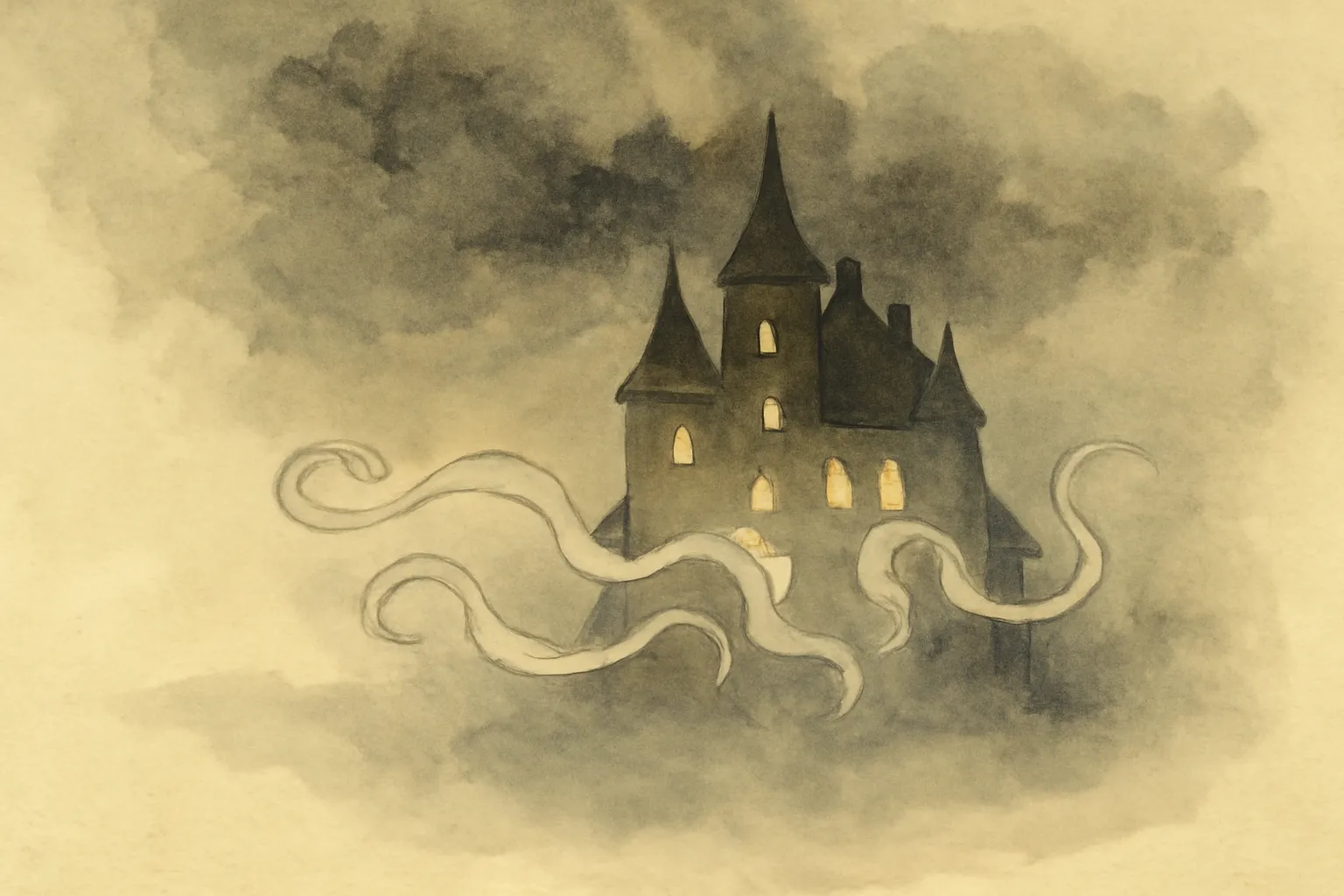
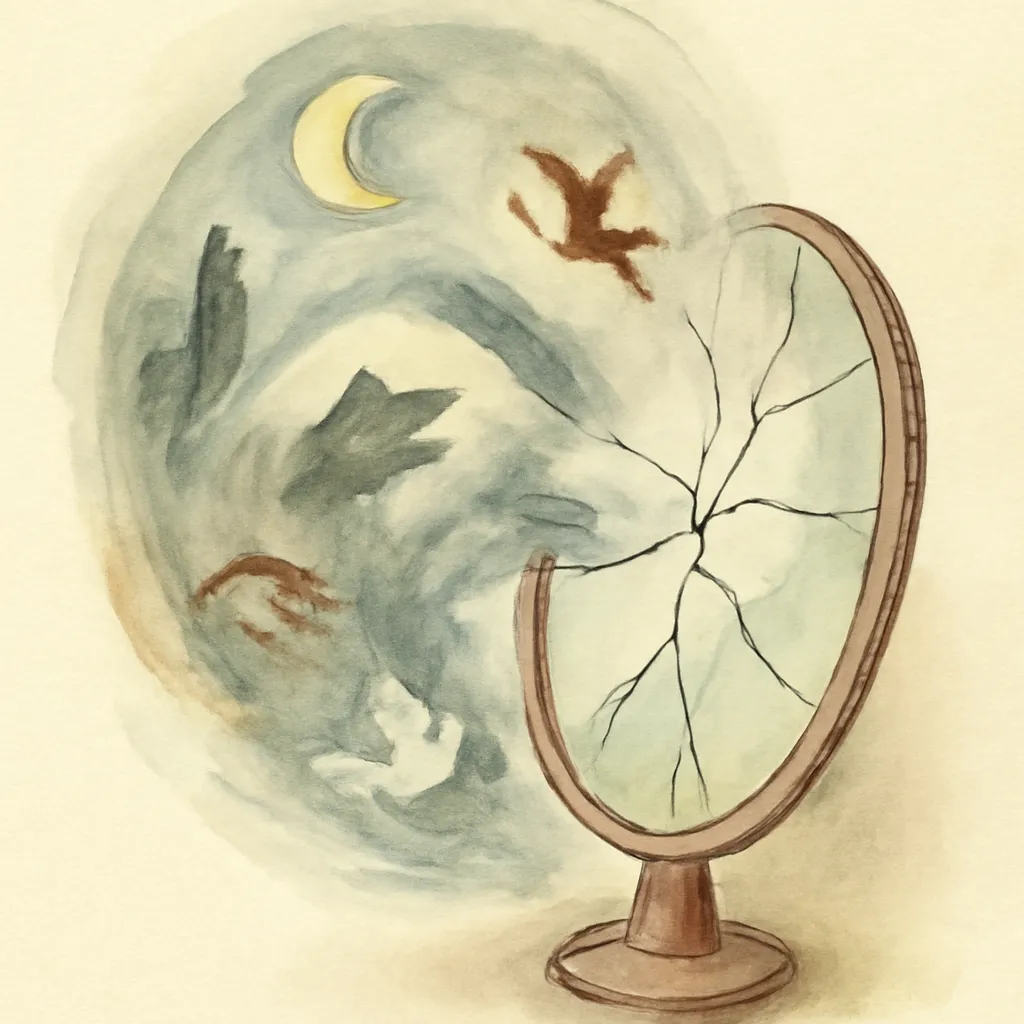
In Kadare’s imagined empire, dreams are not private but public property, meticulously gathered and analyzed by the state. The Palace of Dreams, a vast bureaucratic institution, symbolizes the regime’s ambition to penetrate even the most intimate recesses of the mind. By making dreams subject to official scrutiny, the novel explores how authoritarian systems seek to dominate not just actions and words, but also thoughts and subconscious desires. This chilling premise raises questions about the limits of state power and the erosion of personal freedom.
2.The Bureaucracy of Oppression
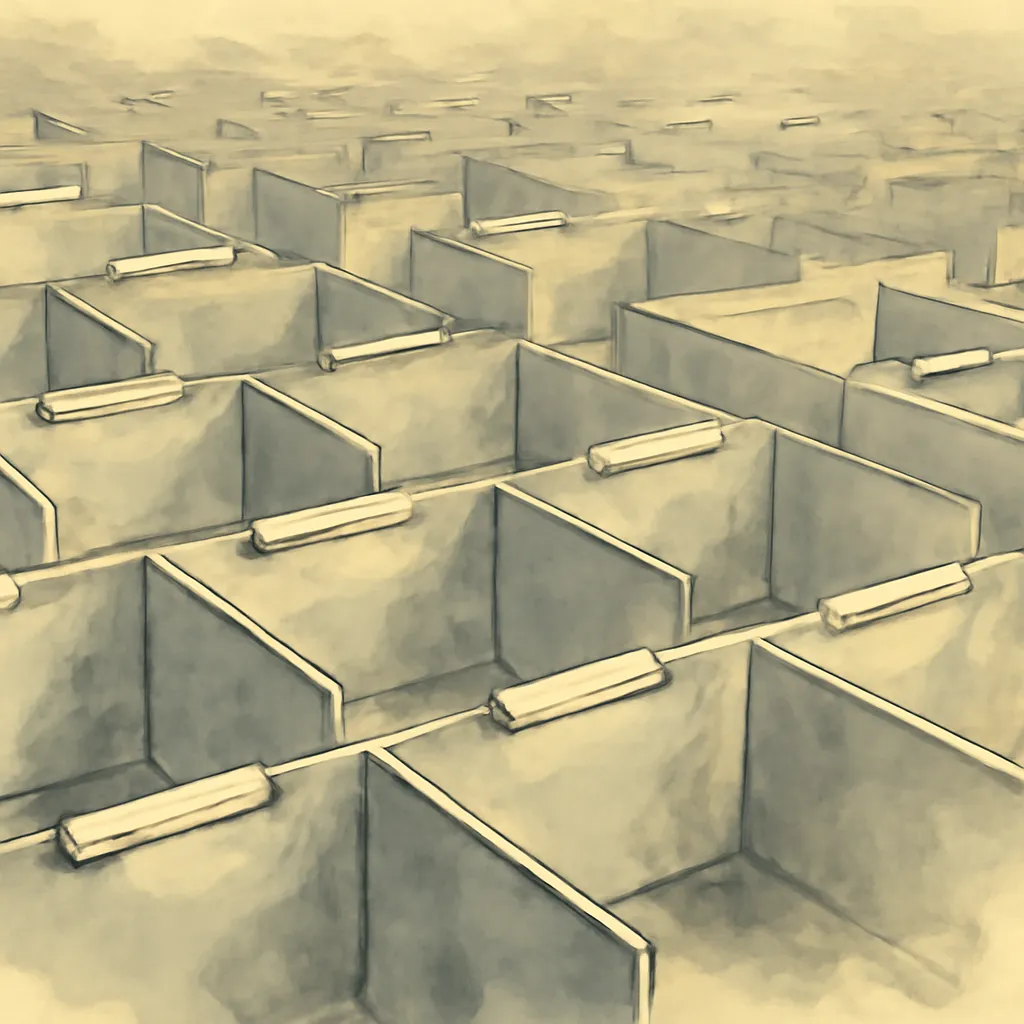
The novel’s protagonist, Mark-Alem, finds himself caught in the labyrinthine bureaucracy of the Palace. Kadare meticulously depicts the dehumanizing rituals, arbitrary hierarchies, and suffocating routines that define life within the institution. The Palace becomes a metaphor for the faceless machinery of totalitarian regimes, where individuality is subsumed by the collective, and meaning is lost in endless paperwork and ritual. The effect is a Kafkaesque sense of alienation and helplessness.
3.Family, Identity, and Complicity
Mark-Alem’s journey is also a personal one, as he grapples with his family’s history and their ambiguous relationship with the regime. The Quprili family’s legacy both protects and endangers him, illustrating how individuals and families navigate survival under oppressive systems. The novel probes the moral compromises and internal conflicts that arise when one’s identity is entangled with the machinery of power.
4.The Power and Danger of Interpretation
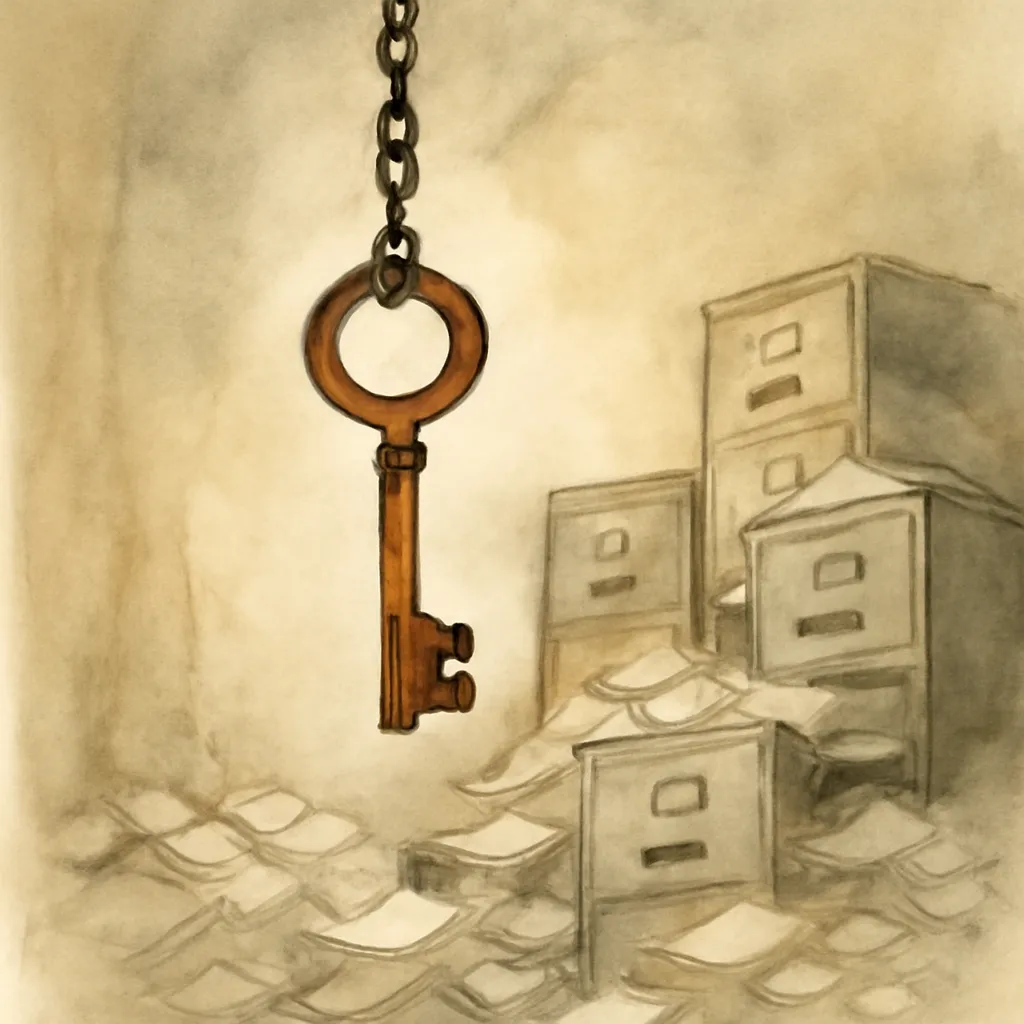
At the heart of the Palace’s work is the interpretation of dreams, a process fraught with subjectivity and peril. Kadare suggests that meaning itself becomes a site of struggle: the wrong interpretation can have deadly consequences, and the act of reading dreams mirrors the way regimes twist reality to fit their narratives. The novel thus becomes a meditation on the dangers of overreaching interpretation, whether by states or individuals.
5.Allegory of Totalitarianism
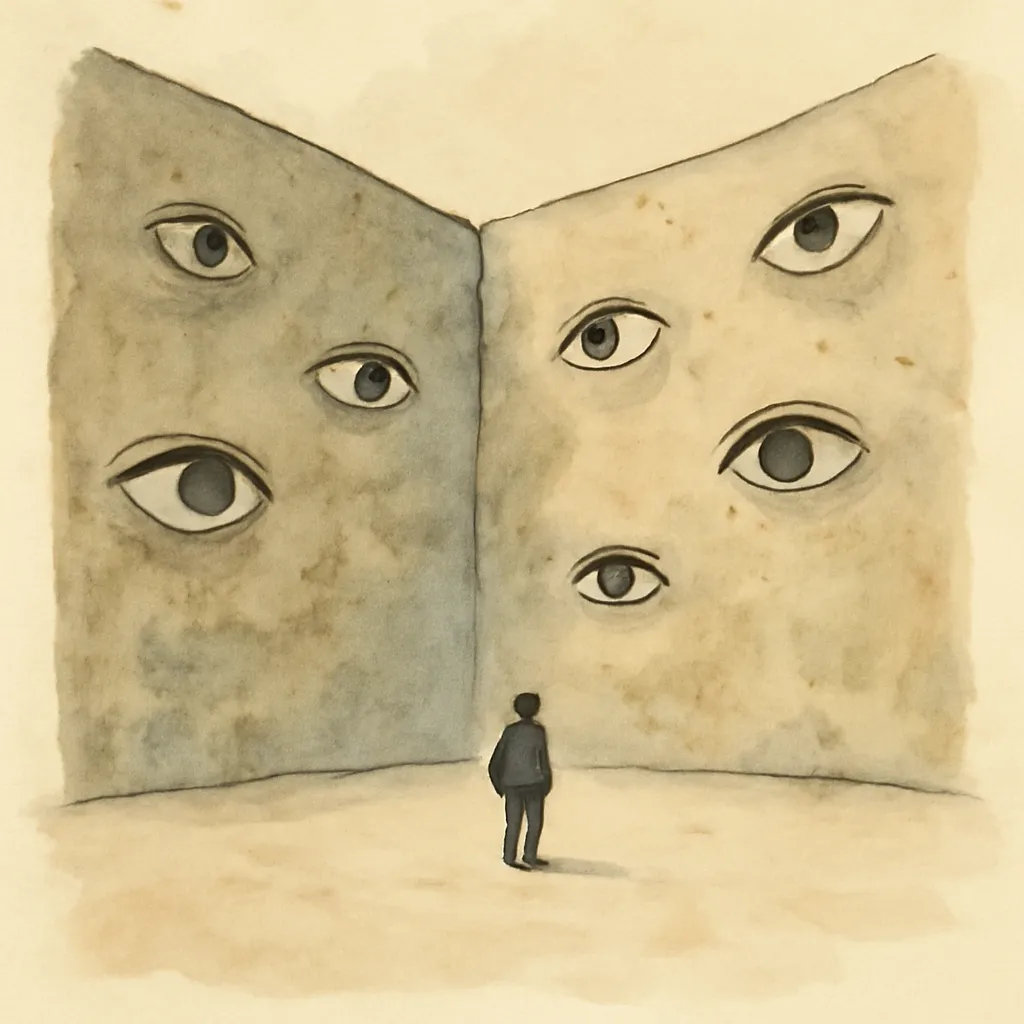
Written under the shadow of Albania’s communist dictatorship, The Palace of Dreams is a thinly veiled allegory for state surveillance, censorship, and the crushing of dissent. Kadare uses the surreal premise to expose the absurdity and horror of living under constant scrutiny, where even dreams are suspect. The novel resonates far beyond its setting, offering a universal warning about the perils of unchecked power.
6.The Persistence of the Human Spirit
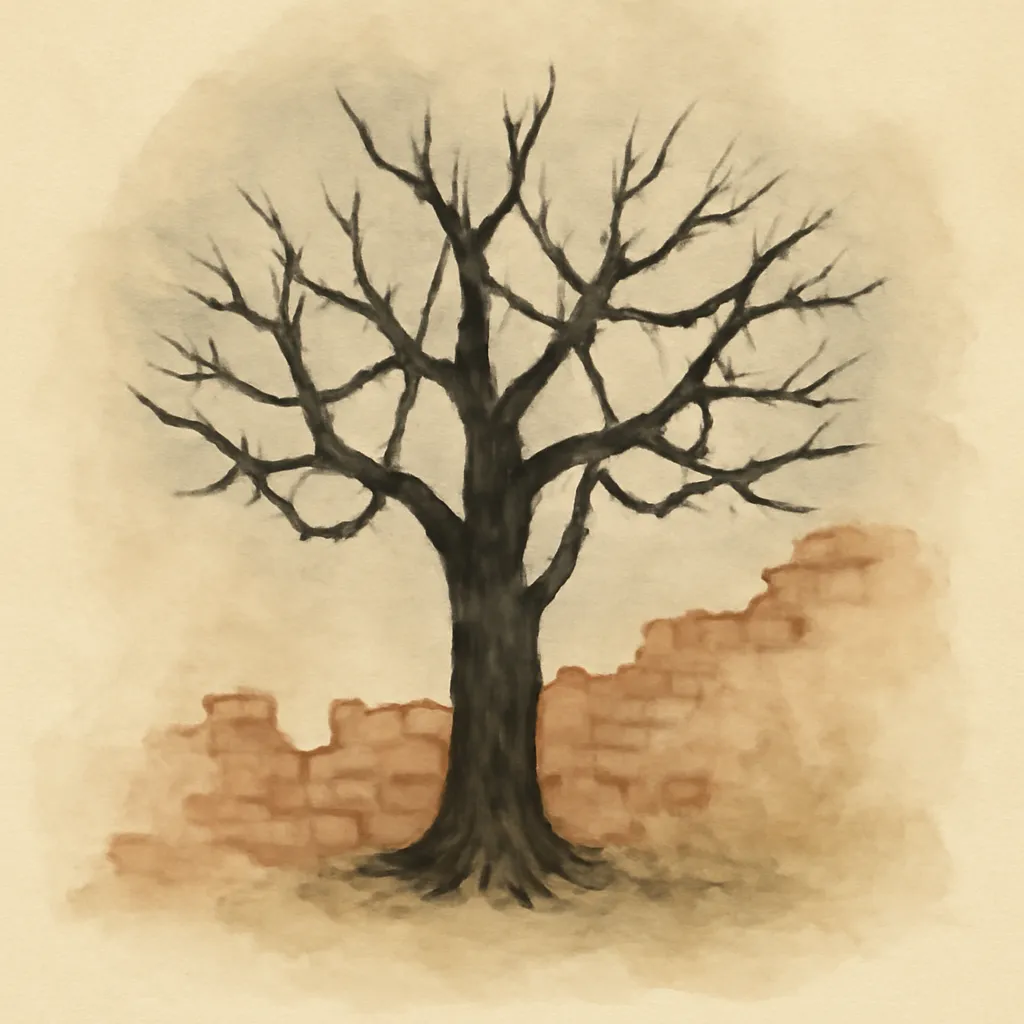
Despite its bleak atmosphere, the novel hints at the resilience of the individual psyche. Mark-Alem’s growing awareness and discomfort suggest that even in the most oppressive systems, the human spirit seeks meaning and freedom. The ambiguity of the ending leaves open the possibility of resistance, however subtle or internal it may be.