
Totalitarianism · Pulitzer Prize Winner · Fiction
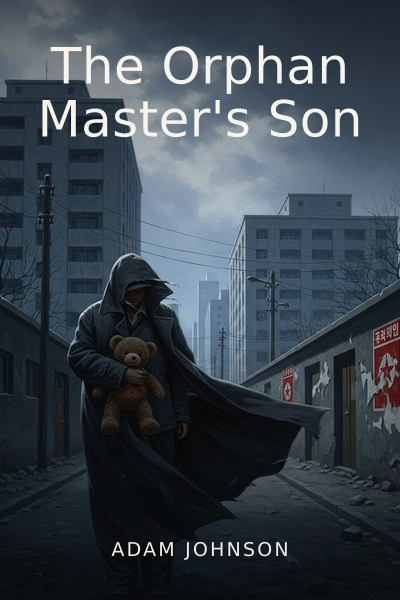
The Orphan Master's Son by Adam Johnson — Summary, Key Ideas & Quotes
2012496 pages✦ 3-min Big ideas★ 4.3 (13)
Rate it
The Orphan Master's Son is a 2012 novel by American author Adam Johnson. It deals with intertwined themes of propaganda, identity, and state power in North Korea. The novel was awarded the 2013 Pulitzer Prize for Fiction.
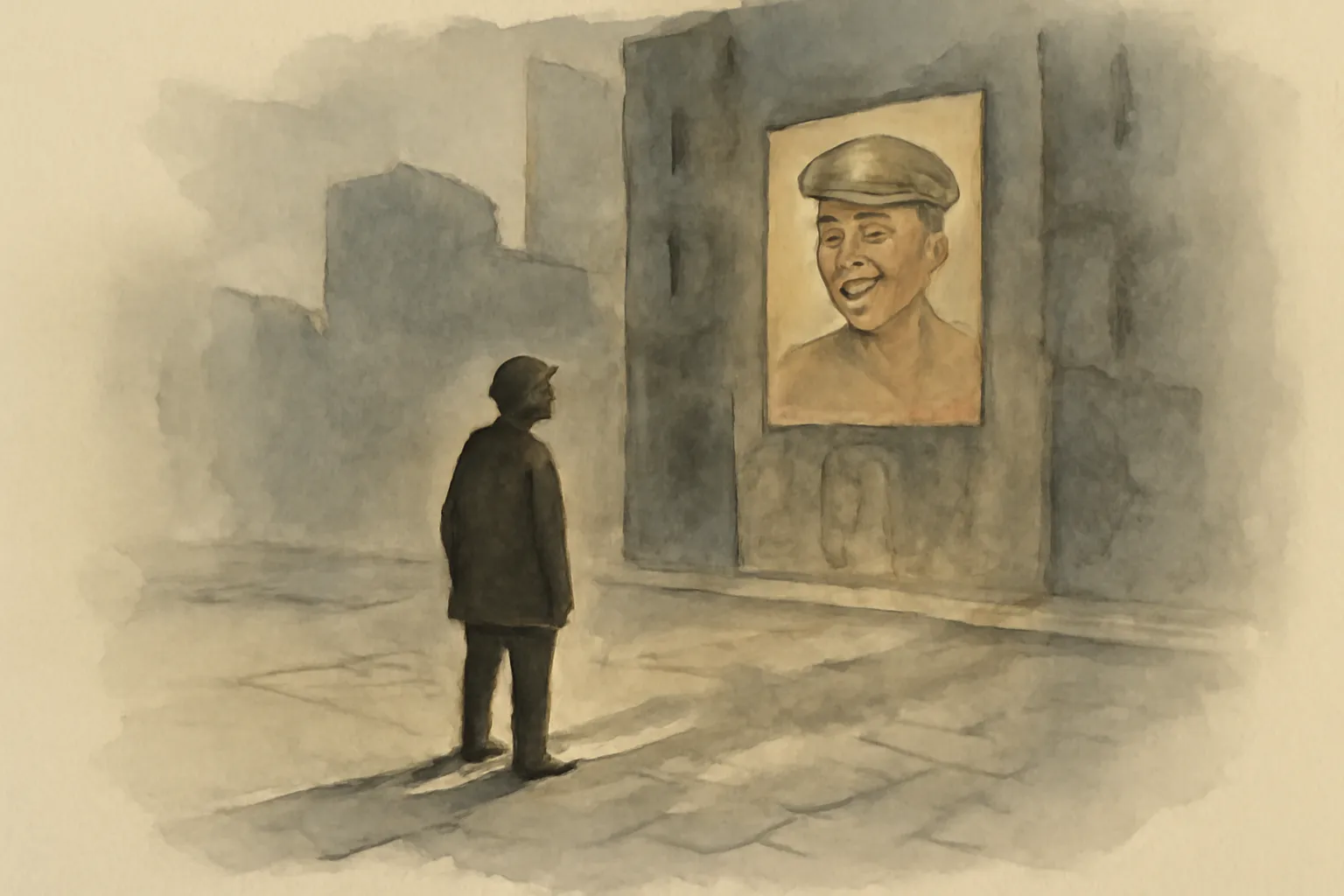
At its core, the novel interrogates how identity is shaped, manipulated, and erased by an authoritarian regime. The protagonist, Pak Jun Do, is forced to assume multiple roles and even new names, mirroring the way the state rewrites individual narratives to suit its needs. Johnson explores how personal history and inner truth are constantly at odds with the stories imposed by those in power, raising questions about what remains of a person when their identity is endlessly rewritten.
The book vividly illustrates how propaganda is not just a tool of the regime, but the very fabric of daily life in North Korea. Through state-run loudspeakers, scripted biographies, and invented heroics, reality is distorted until citizens must navigate a world where truth is both elusive and dangerous. Johnson deftly shows the psychological toll of living in a society where official lies become more real than lived experience.
“Where we are from, stories are facts.”
“You can’t stop the birds from flying over your head, but you can keep them from building a nest in your hair.”
“The truth is, the world is made of stories, not atoms.”