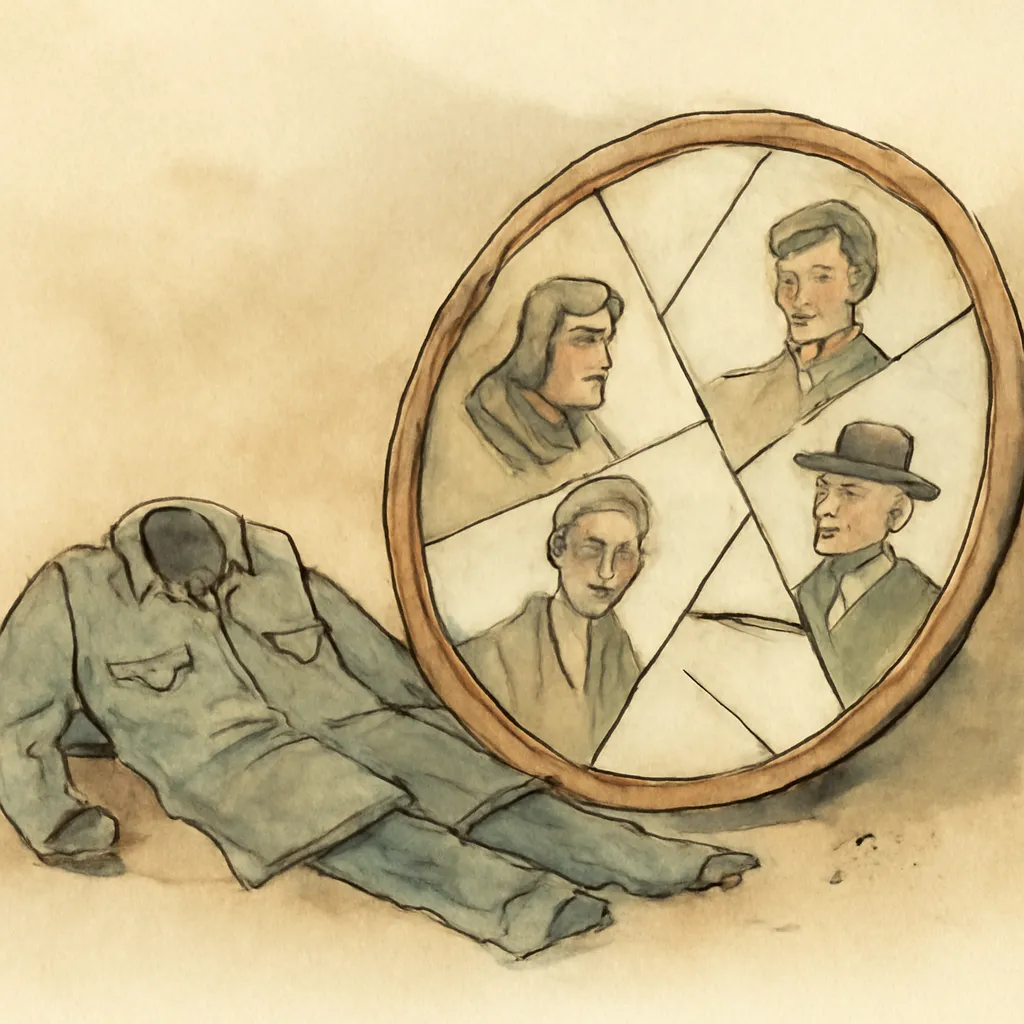
1.The Construction—and Destruction—of Identity
At its core, the novel interrogates how identity is shaped, manipulated, and erased by an authoritarian regime. The protagonist, Pak Jun Do, is forced to assume multiple roles and even new names, mirroring the way the state rewrites individual narratives to suit its needs. Johnson explores how personal history and inner truth are constantly at odds with the stories imposed by those in power, raising questions about what remains of a person when their identity is endlessly rewritten.
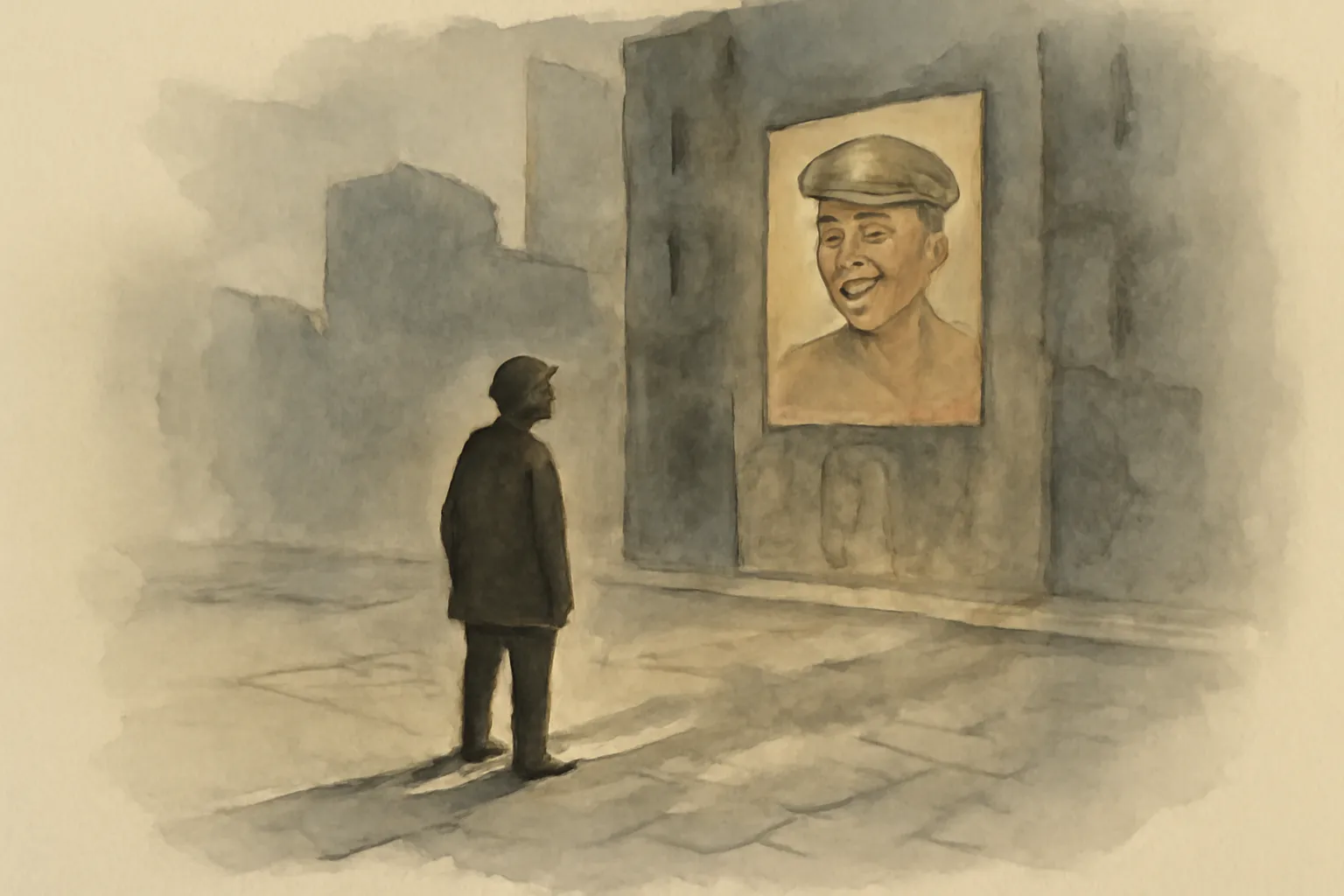
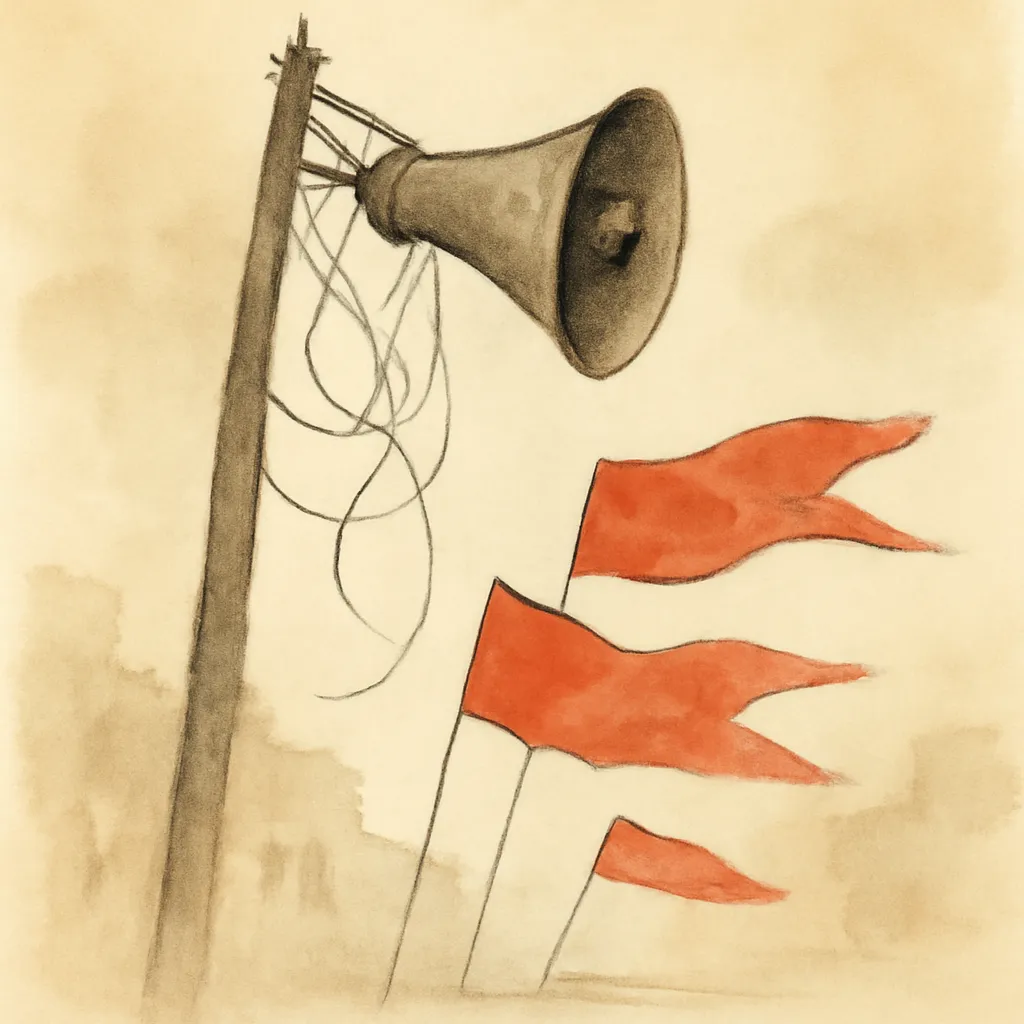
2.Propaganda as Reality
The book vividly illustrates how propaganda is not just a tool of the regime, but the very fabric of daily life in North Korea. Through state-run loudspeakers, scripted biographies, and invented heroics, reality is distorted until citizens must navigate a world where truth is both elusive and dangerous. Johnson deftly shows the psychological toll of living in a society where official lies become more real than lived experience.
3.Survival and Moral Compromise
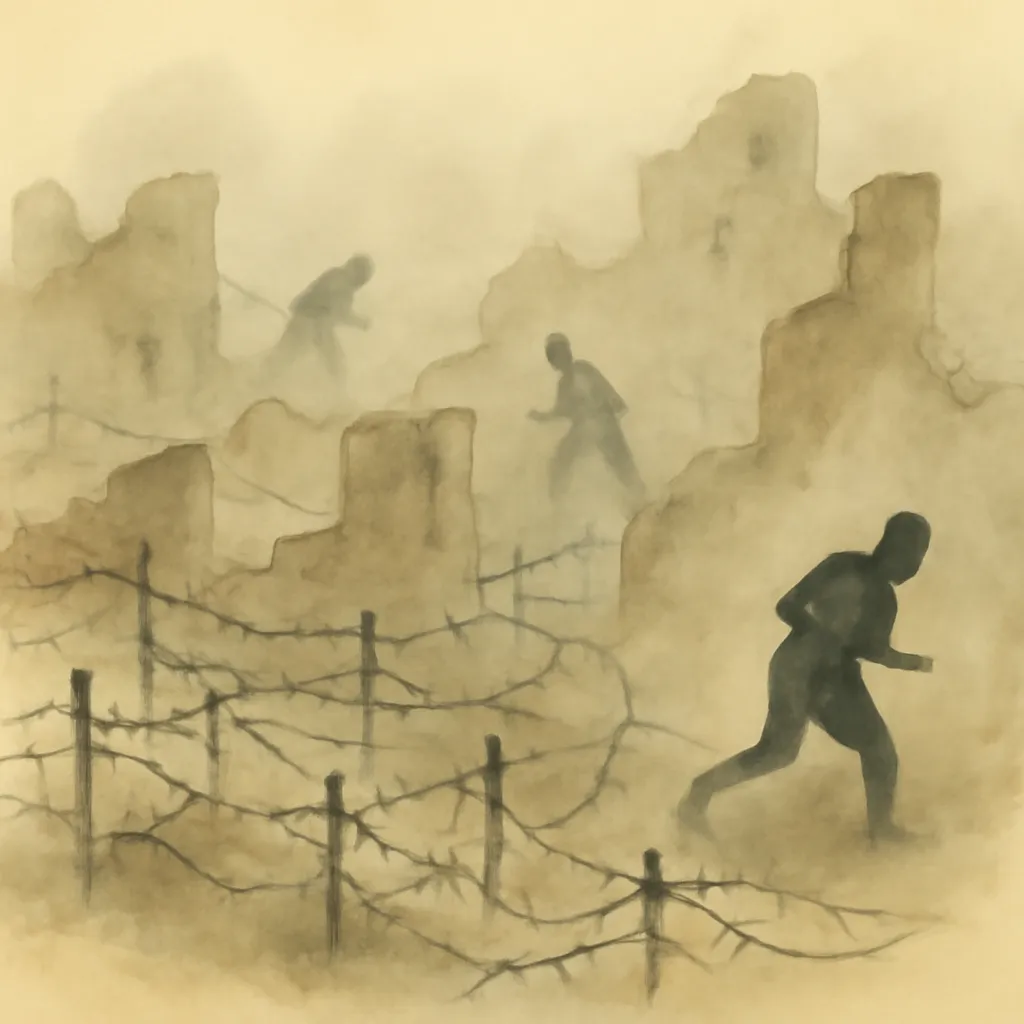
Survival in Johnson’s North Korea often demands moral compromise. Characters are compelled to betray, deceive, or harm others just to stay alive or protect loved ones. The novel neither romanticizes nor condemns these choices outright, instead portraying the impossible calculus of ethics under oppression. Readers are left to grapple with the boundaries between victimhood and complicity.
4.The Power—and Limits—of Storytelling
Storytelling is both weapon and refuge in the novel. The regime uses stories to control, but individuals also use them to resist, remember, and assert their own humanity. Yet, the book acknowledges that stories can be co-opted, lost, or rendered meaningless by overwhelming force. Johnson suggests that while storytelling can offer hope, it is not always enough to overcome systemic brutality.
5.Love and Sacrifice in a Hostile World
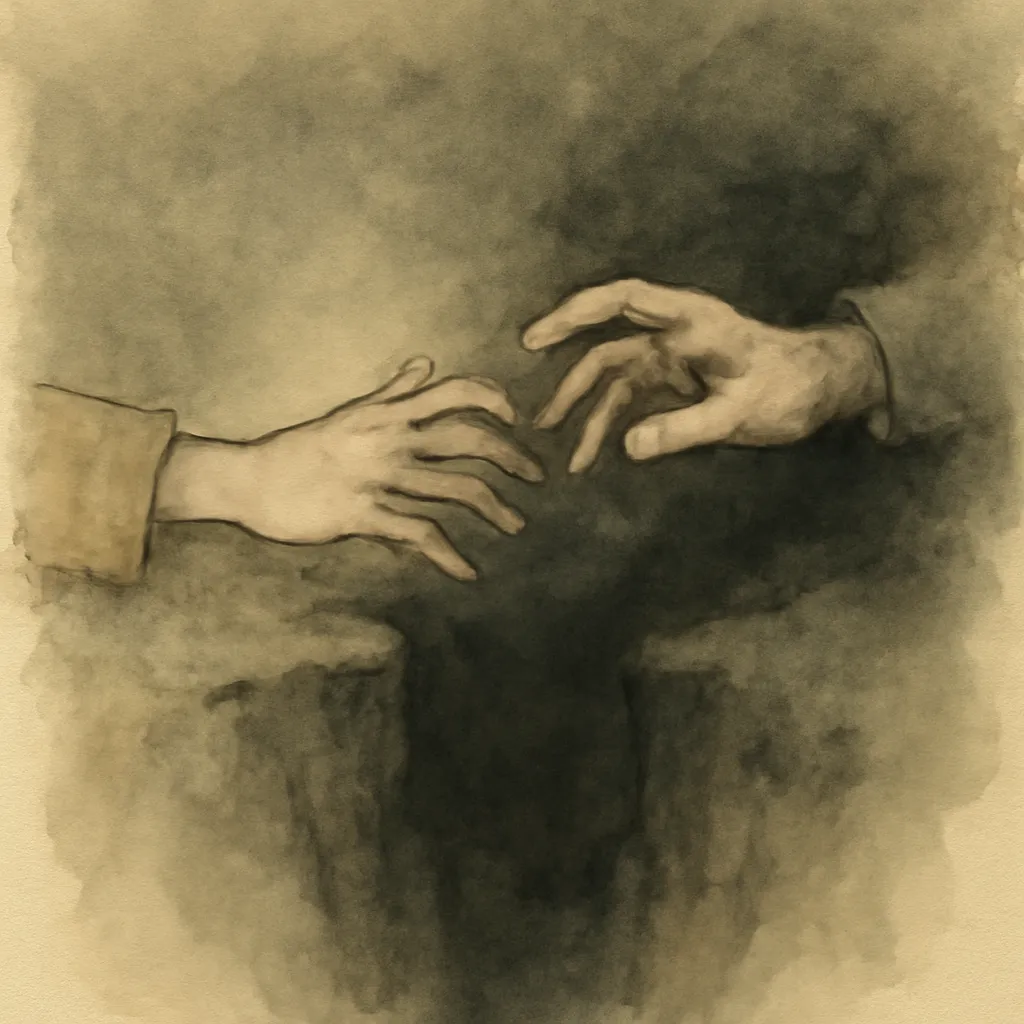
Despite the pervasive bleakness, the novel finds moments of tenderness and sacrifice, particularly in Jun Do’s devotion to Sun Moon. Love becomes an act of rebellion against a system designed to stamp out personal bonds. These moments of connection provide emotional ballast and highlight the persistence of humanity even in the harshest conditions.
6.The Unknowability of North Korea
Johnson deliberately blurs fact and fiction, reflecting the opacity of North Korean society to outsiders. The narrative’s shifting perspectives and unreliable narrators remind readers how little the outside world truly knows about life within the regime, and how much is shaped by rumor, myth, and projection.