1.Totalitarianism as a New Form of Government
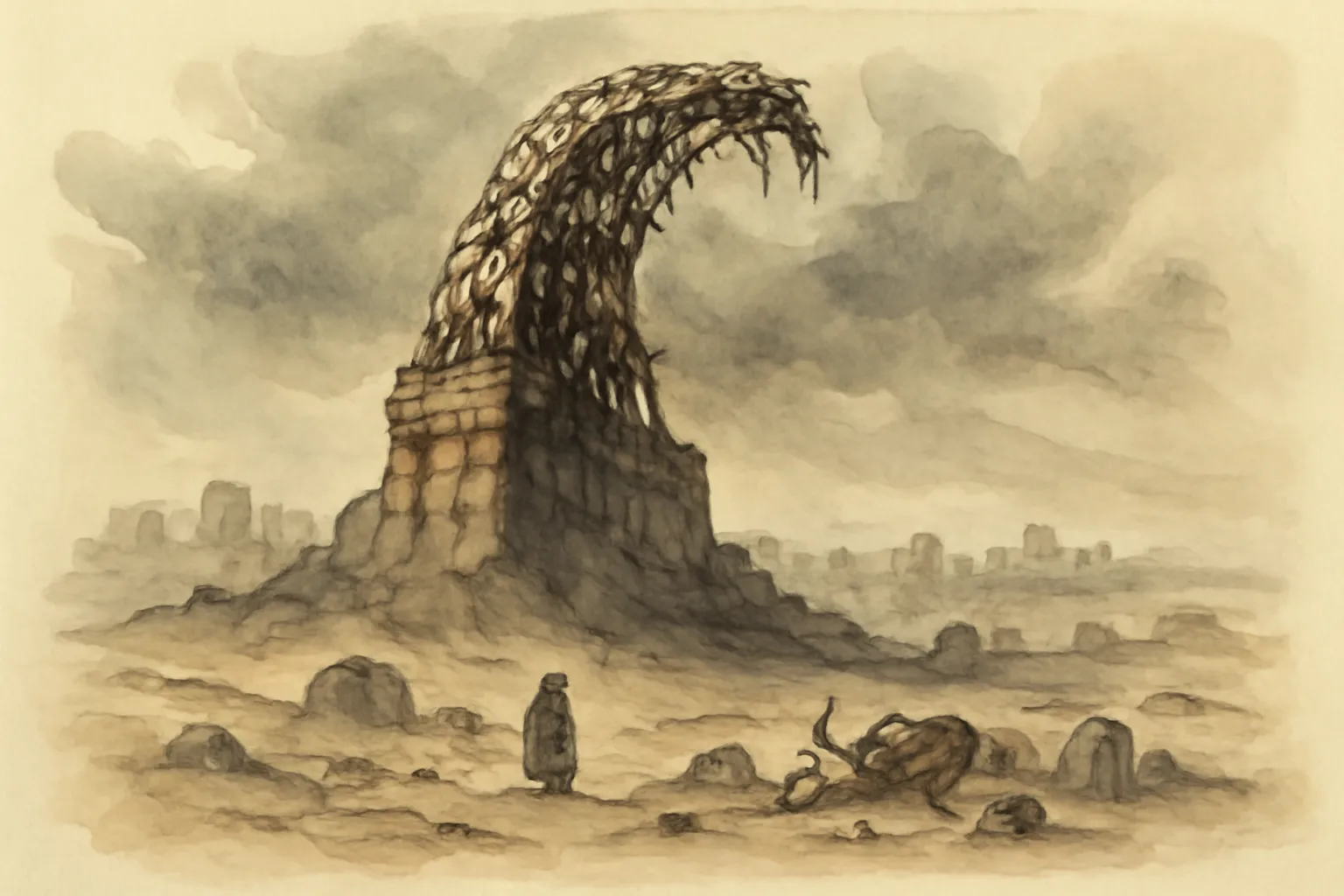
Arendt argues that totalitarianism is not just an extreme form of tyranny, but a fundamentally new type of political system. Unlike traditional dictatorships, totalitarian regimes seek total domination over every aspect of life, aiming to reshape reality and human nature itself. This ambition is realized through the combination of ideology, terror, and the mobilization of the masses, making totalitarianism a uniquely modern phenomenon.
2.The Role of Anti-Semitism and Imperialism
Arendt traces the roots of totalitarianism to the rise of anti-Semitism in 19th-century Europe and the expansionist policies of imperialism. She shows how these forces undermined the rule of law, fostered scapegoating, and eroded the foundations of civil society. The breakdown of traditional social structures and the spread of racist and nationalist ideologies created fertile ground for totalitarian movements.
3.From Classes to Masses
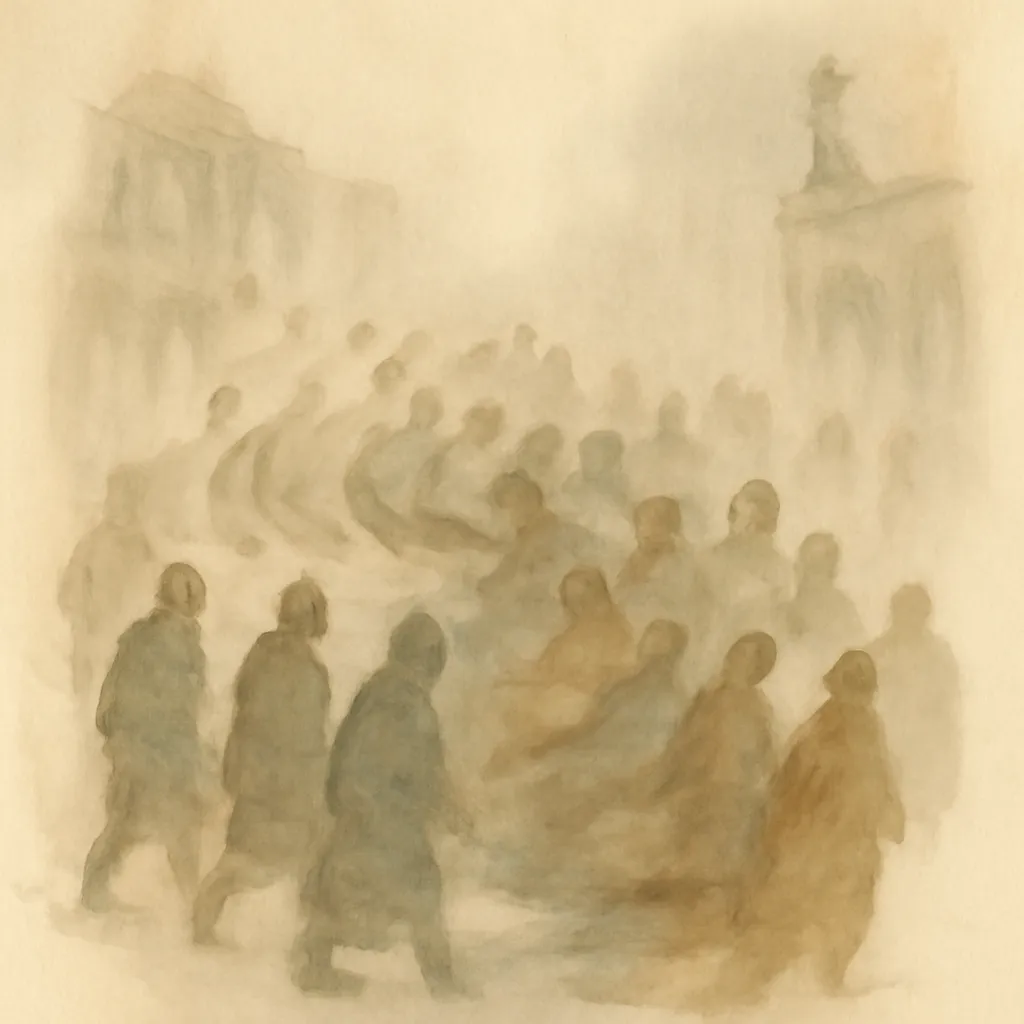
A key insight in Arendt’s analysis is the transformation of society from structured classes to amorphous masses. The disintegration of established social hierarchies left individuals isolated and uprooted, making them susceptible to the appeals of totalitarian movements. These regimes thrived on mass loneliness, offering a sense of belonging and purpose while demanding absolute loyalty.
4.Propaganda and the Manipulation of Reality
Arendt details how totalitarian regimes use propaganda not just to deceive, but to create an alternative reality. Through relentless repetition and the blurring of truth and falsehood, propaganda erodes the distinction between fact and fiction. This manipulation is essential to maintaining control over the masses and neutralizing opposition, both domestically and abroad.
5.Terror as a Tool of Domination
Terror is not merely a means of enforcing obedience, but the very essence of totalitarian rule. Arendt explains how systematic terror destroys individuality, trust, and spontaneous human relationships, reducing people to isolated, atomized subjects. The use of concentration camps exemplifies this logic, aiming to eliminate unpredictability and resistance entirely.
6.Isolation and Loneliness as Preconditions
Arendt emphasizes that totalitarianism feeds on the isolation and loneliness of individuals. When people are cut off from meaningful social bonds and public life, they become vulnerable to manipulation and control. The destruction of community and the atomization of society are thus not accidental byproducts, but prerequisites for total domination.