1.The Vita Activa: Labor, Work, and Action
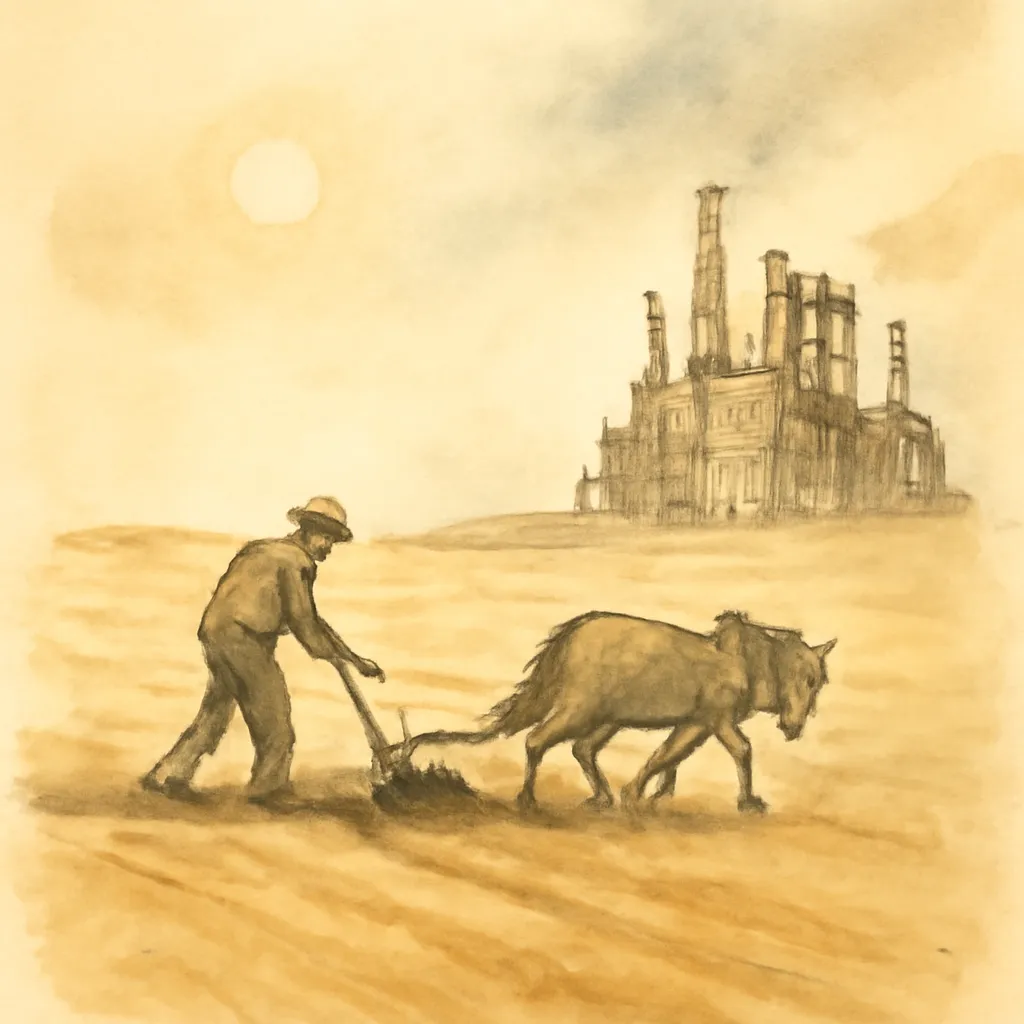
Arendt divides human activity into three fundamental categories: labor, work, and action. Labor refers to the repetitive, biological processes necessary for survival; work creates lasting objects and structures; action is the realm of political life, where people interact, speak, and initiate new events. By distinguishing these, Arendt highlights how modern society undervalues action and public engagement, focusing instead on productivity and consumption.
2.The Rise of the Social
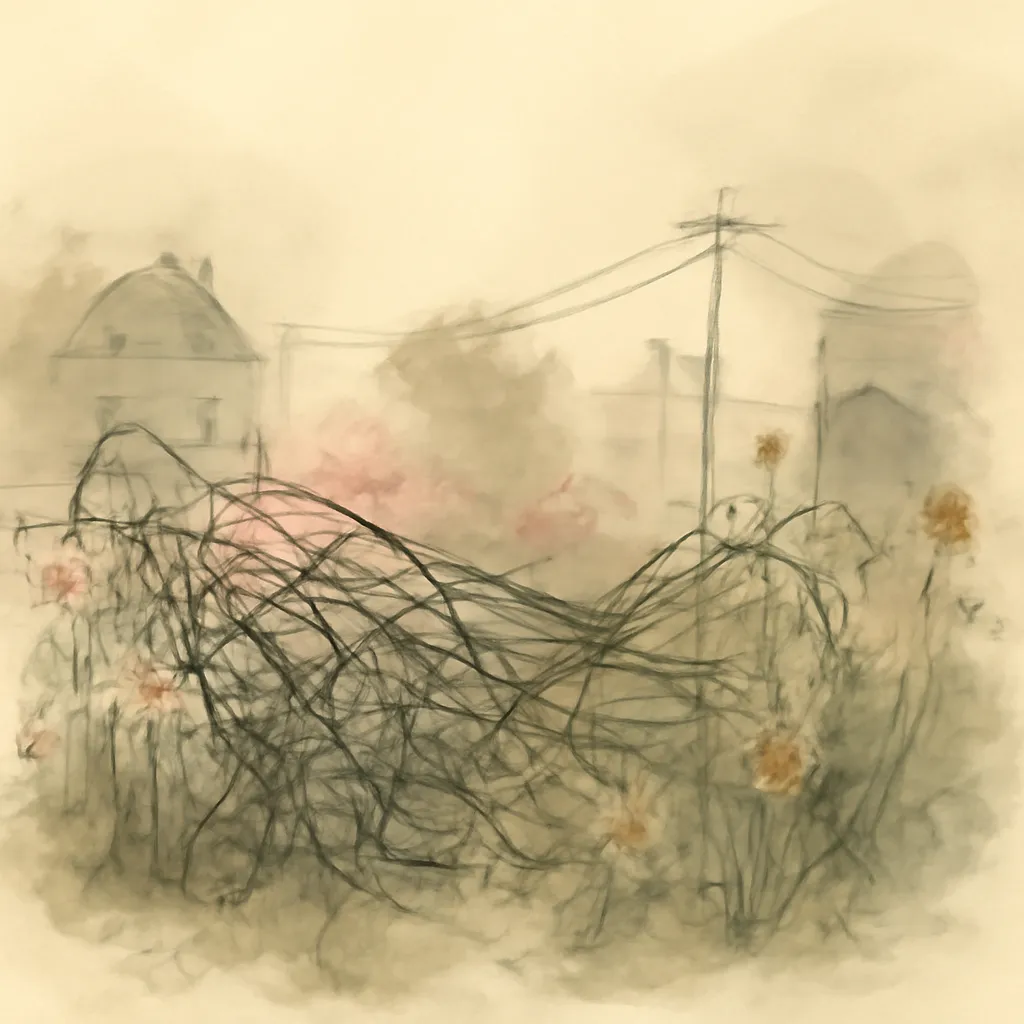
Arendt argues that the boundaries between private and public life have blurred in modernity, giving rise to 'the social.' This sphere absorbs both economic concerns and private matters, leading to a decline in genuine political action. As a result, individuals become more concerned with conforming to mass society than participating in meaningful, pluralistic debate.
3.Human Plurality and Political Freedom
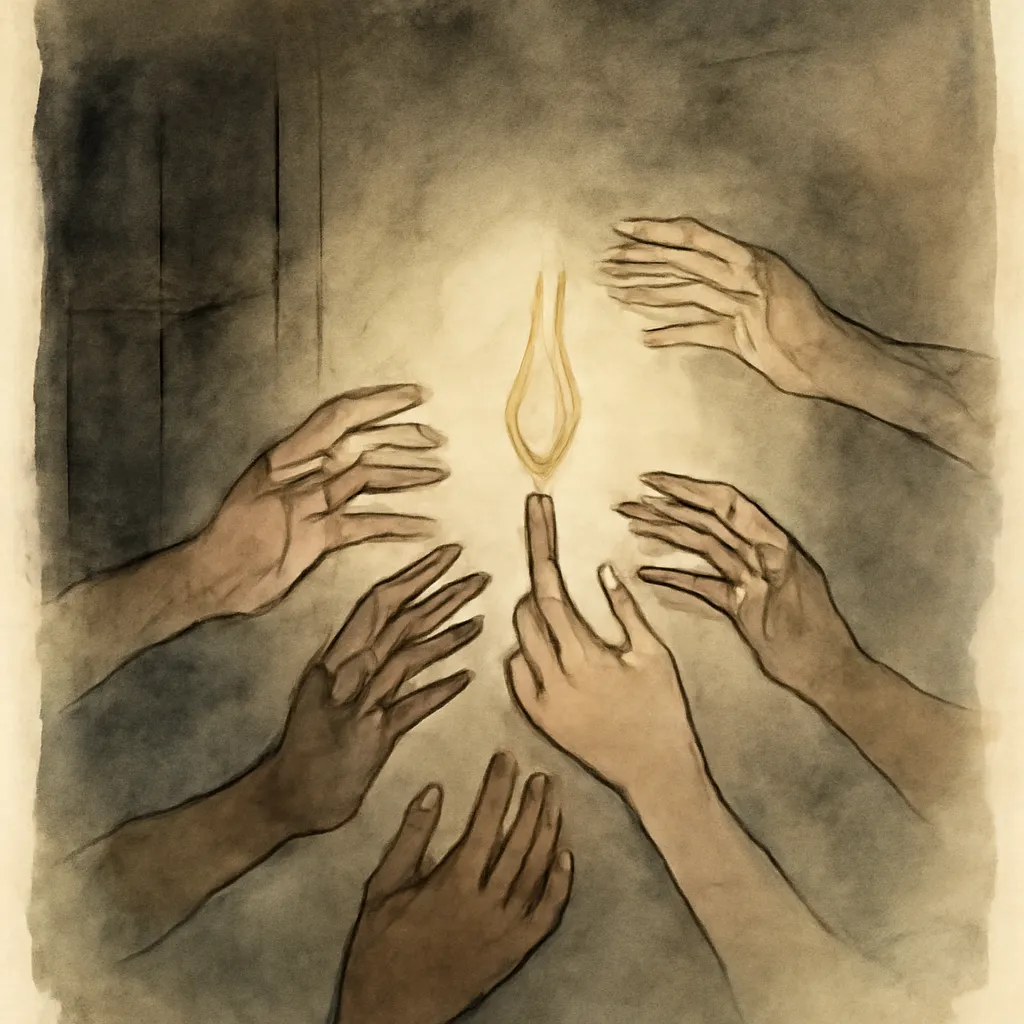
For Arendt, plurality—the fact that each person is unique and capable of speech and action—is the foundation of politics. True freedom emerges not in isolation but in the public realm, where individuals reveal themselves to others through words and deeds. The erosion of public spaces and political engagement, therefore, threatens the very conditions that make freedom possible.
4.The Diminishing Role of Action
Modernity, Arendt contends, prioritizes labor and work over action. Technological progress and bureaucratic systems have made it harder for individuals to initiate new beginnings or participate in political life. This shift diminishes human agency and reduces our capacity to shape the world collectively.
5.The Dangers of Technological Progress
Arendt is wary of the unchecked advance of science and technology, which can outpace our ability to judge and control their consequences. She warns that as humans gain more power over nature and themselves, they risk losing the very qualities—judgment, responsibility, plurality—that define their humanity.
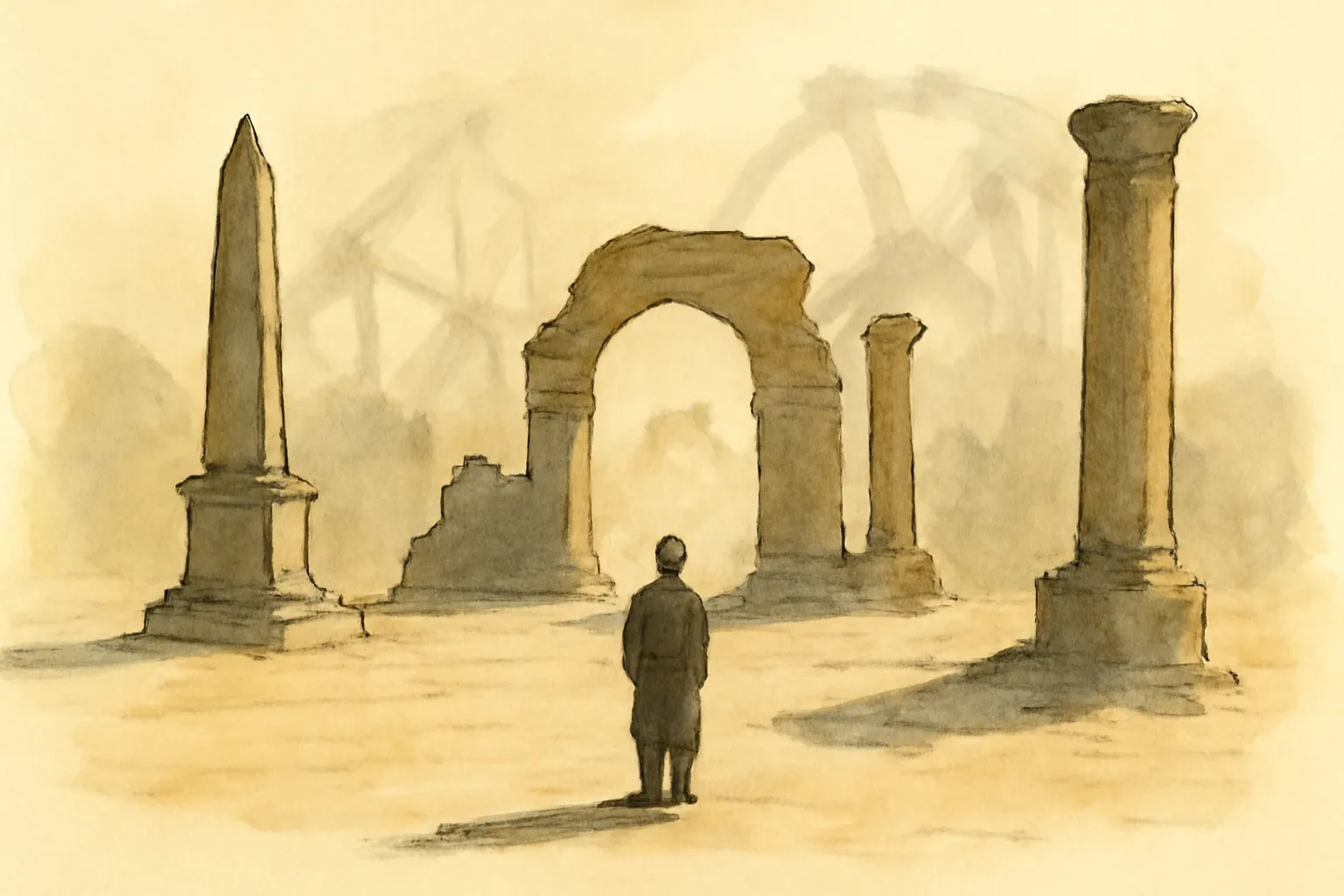
6.The Importance of Public Space
Central to Arendt’s vision is the idea that a vibrant public sphere is essential for human flourishing. It is only in public, among others, that individuals can act, speak, and be recognized. The decline of such spaces leads to alienation and a loss of meaning in both personal and collective life.