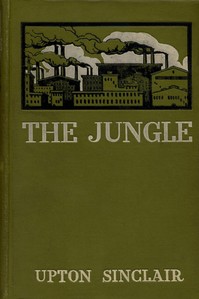

An immigrant family is ground down by Chicago’s meatpacking industry — a searing exposé that shocked a nation into reform.
Read full overviewShow less›
In 'The Jungle', Upton Sinclair immerses readers in the grim world of Chicago's stockyards, where immigrants like Jurgis Rudkus grapple with the harsh realities of industrial labor, poverty, and exploitation. The novel unfolds the harrowing journey of a Lithuanian family desperate for a better life, only to find themselves ensnared in a web of corruption, inhumane working conditions, and social injustice. Through vivid descriptions and poignant character experiences, Sinclair critiques the capitalist system that prioritizes profit over human dignity. As readers traverse the struggles of Jurgis and his family, they gain insight into the broader social issues of the era, including labor rights, health standards, and the plight of the working class. Ultimately, 'The Jungle' serves as a clarion call for reform, urging society to confront the realities hidden behind the façade of prosperity.
Upton Sinclair's 'The Jungle' is not just a narrative of one family's struggle; it is a profound exploration of the systemic issues that pervade society, particularly in the realm of labor and industry. Through the experiences of Jurgis and his family, Sinclair invites readers to confront the harsh realities of capitalism and the exploitation that often accompanies it. The novel serves as a timeless reminder of the importance of empathy, activism, and the pursuit of justice. As we reflect on the themes presented in 'The Jungle', we are compelled to consider our own roles in advocating for change, ensuring that the struggles of the past inform our efforts toward a more equitable future. Sinclair's work remains a powerful testament to the resilience of the human spirit in the face of adversity and a call to action for all who seek to build a better world.
- 1The Harsh Reality of Immigrant Life
- 2The Dehumanizing Nature of Industrial Labor
- 3The Illusion of the American Dream
- 4The Role of Corruption and Greed
- 5The Struggles of Family Life
A glimpse inside

Jurgis Rudkus and his family arrive in America filled with hope and dreams of prosperity, only to confront a starkly different reality. Read moreJurgis Rudkus and his family arrive in America filled with hope and dreams of prosperity, only to confront a starkly different reality. Sinclair portrays the immigrant experience as one filled with disillusionment, where the promises of the American Dream quickly dissolve into nightmares of poverty and exploitation. The family’s struggles to find work and secure a decent living wage illustrate the systemic barriers immigrants face in urban America. Jurgis, initially optimistic and strong, embodies the immigrant spirit, believing that hard work will yield rewards. However, as he encounters the brutal conditions in the stockyards, his optimism is crushed under the weight of relentless exploitation, highlighting the grim truth that many immigrants faced during this period. The harshness of their reality is not just personal; it reflects a broader societal failure to support those who seek a better life. Show less
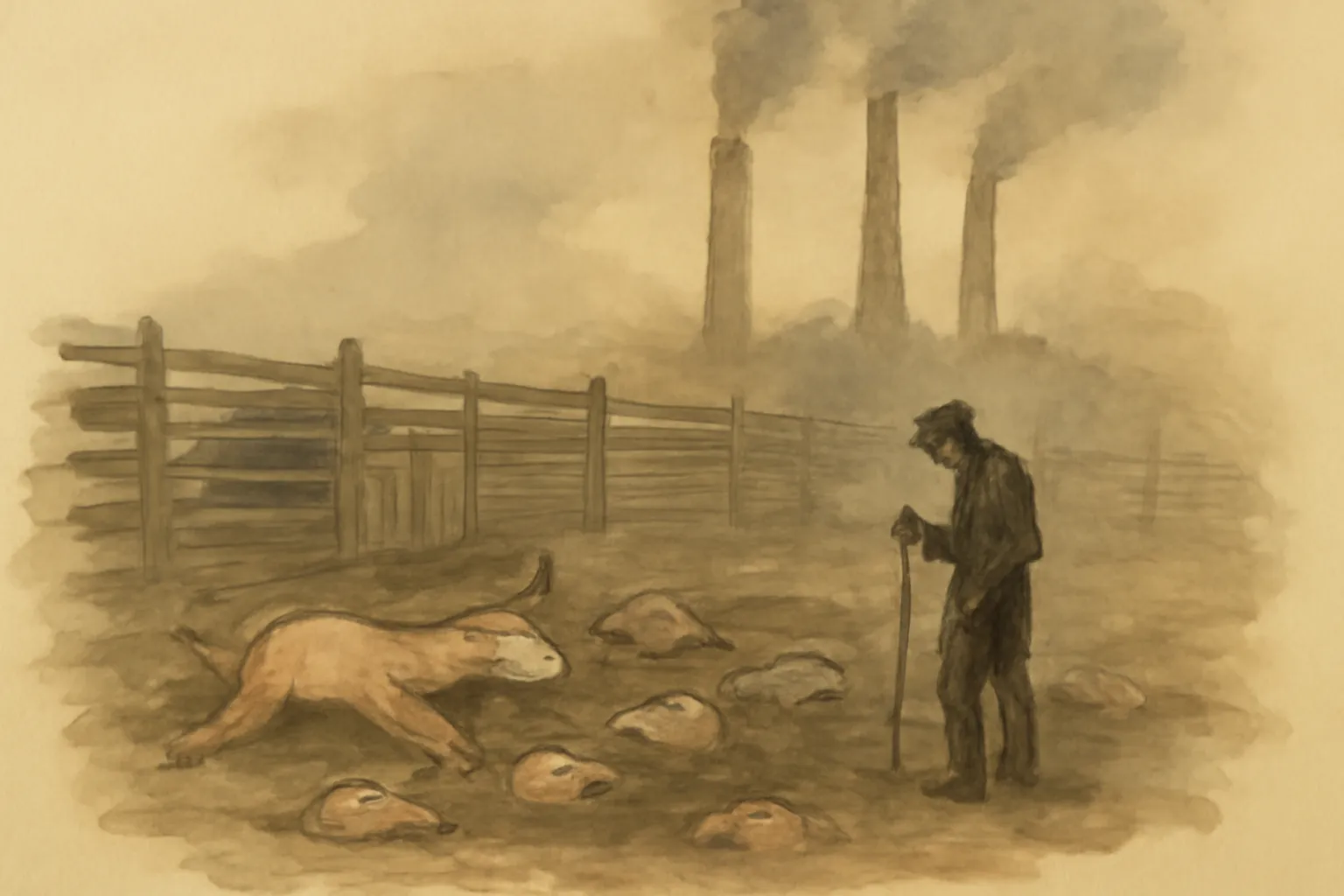
Sinclair's depiction of the Chicago stockyards serves as a microcosm for industrial America, where workers are reduced to mere cogs in a relentless machine. Read moreSinclair's depiction of the Chicago stockyards serves as a microcosm for industrial America, where workers are reduced to mere cogs in a relentless machine. Jurgis, who starts with enthusiasm for his job, soon finds himself engulfed in a dehumanizing routine that strips him of his identity and dignity. The sheer volume of work, coupled with the horrifying conditions—blood-soaked floors, the stench of death, and the constant threat of injury—paints a vivid picture of the exploitation inherent in industrial labor. Workers are subjected to long hours with minimal pay, and their health is often sacrificed for profit. Sinclair's graphic descriptions of the meatpacking process, where diseased animals are processed without regard for safety or sanitation, expose the dark side of capitalism. This relentless pursuit of profit comes at the expense of human lives, revealing a system that prioritizes efficiency over welfare. Show less
Read the full text — free
About the author
Read Upton Sinclair's work free on Lumina — the complete text plus an 8-minute summary and key ideas, no account needed.
Frequently asked
Worlds to get lost in
Take Lumina everywhere
Read offline, listen to AI summaries, speed-read, and sync your progress across devices — free on iPhone.
Download for iPhone