1.The Harsh Reality of Immigrant Life
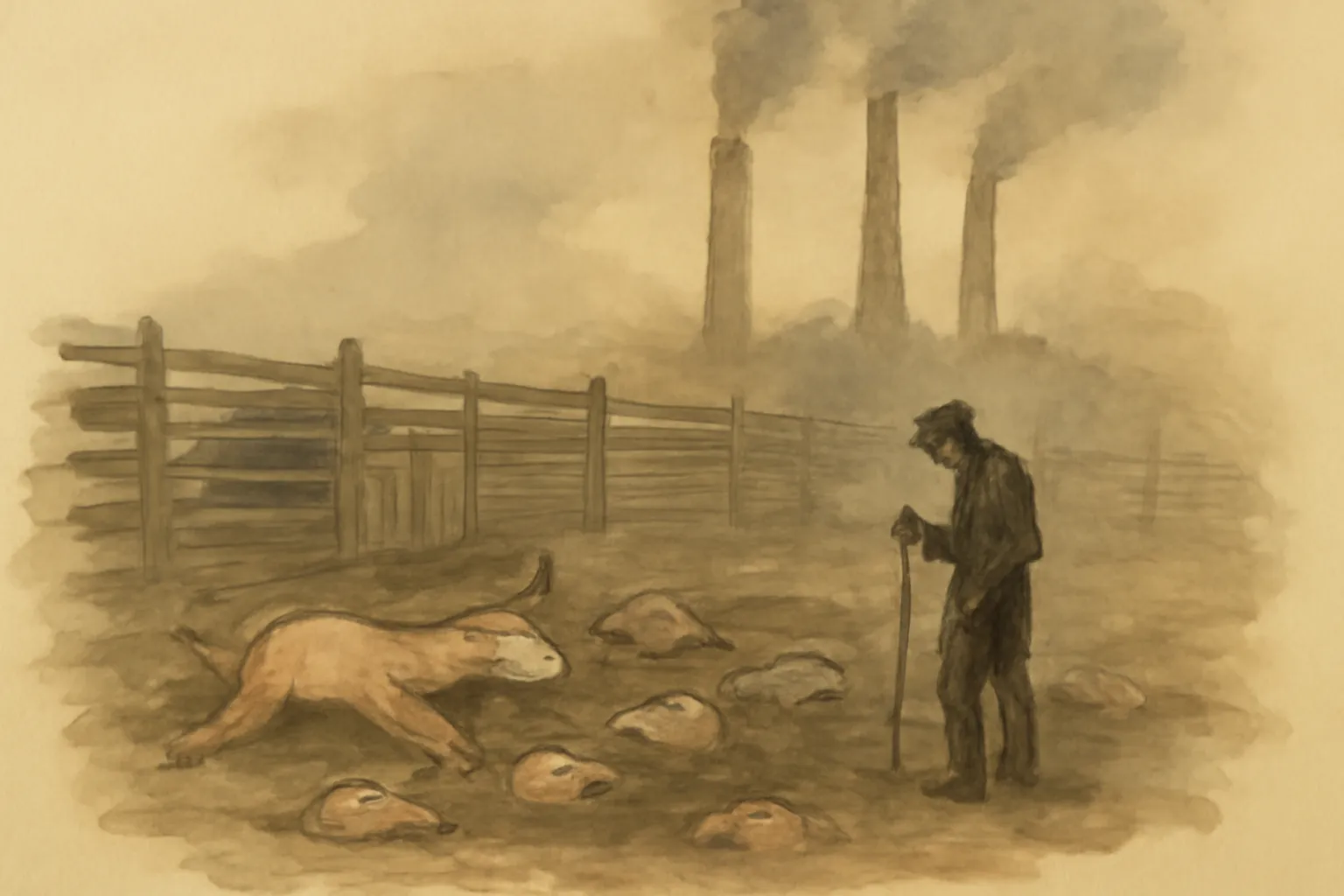
Jurgis Rudkus and his family arrive in America filled with hope and dreams of prosperity, only to confront a starkly different reality. Sinclair portrays the immigrant experience as one filled with disillusionment, where the promises of the American Dream quickly dissolve into nightmares of poverty and exploitation. The family’s struggles to find work and secure a decent living wage illustrate the systemic barriers immigrants face in urban America. Jurgis, initially optimistic and strong, embodies the immigrant spirit, believing that hard work will yield rewards. However, as he encounters the brutal conditions in the stockyards, his optimism is crushed under the weight of relentless exploitation, highlighting the grim truth that many immigrants faced during this period. The harshness of their reality is not just personal; it reflects a broader societal failure to support those who seek a better life.
2.The Dehumanizing Nature of Industrial Labor
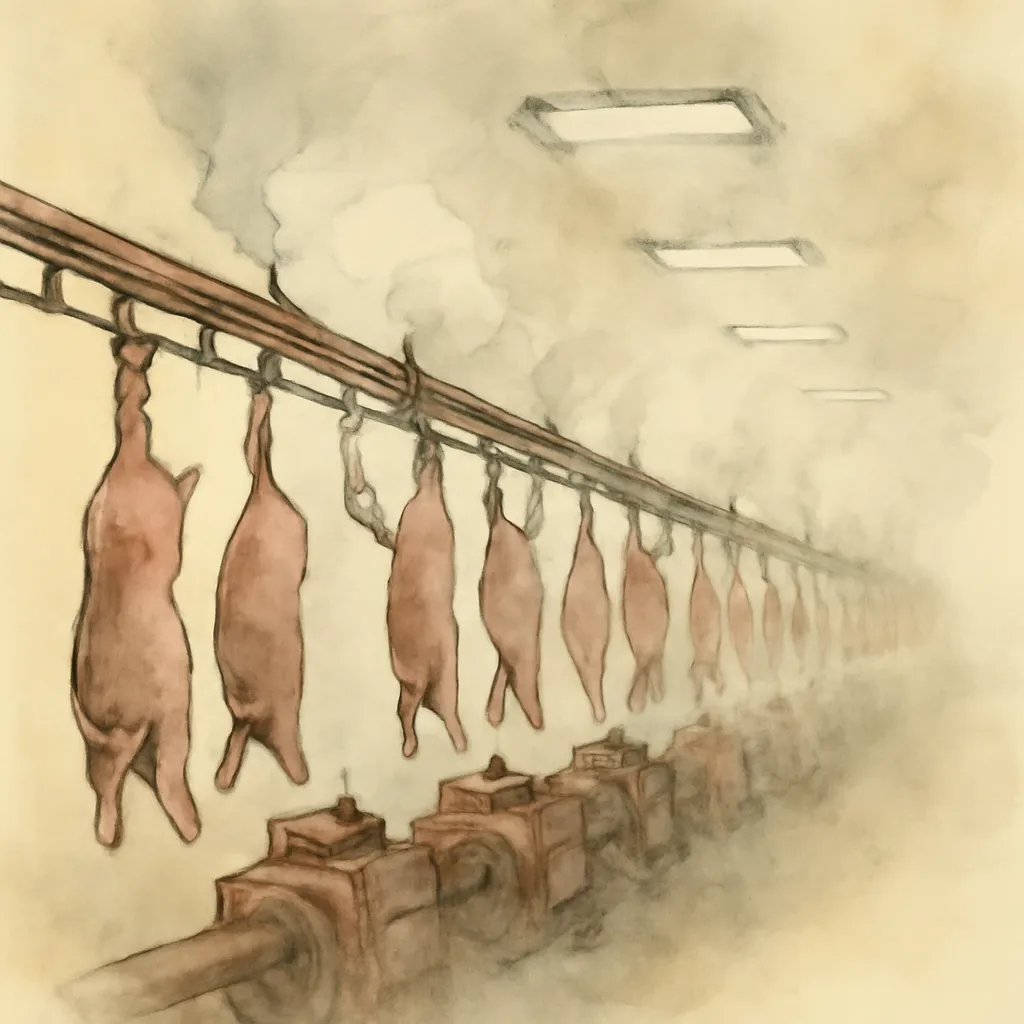
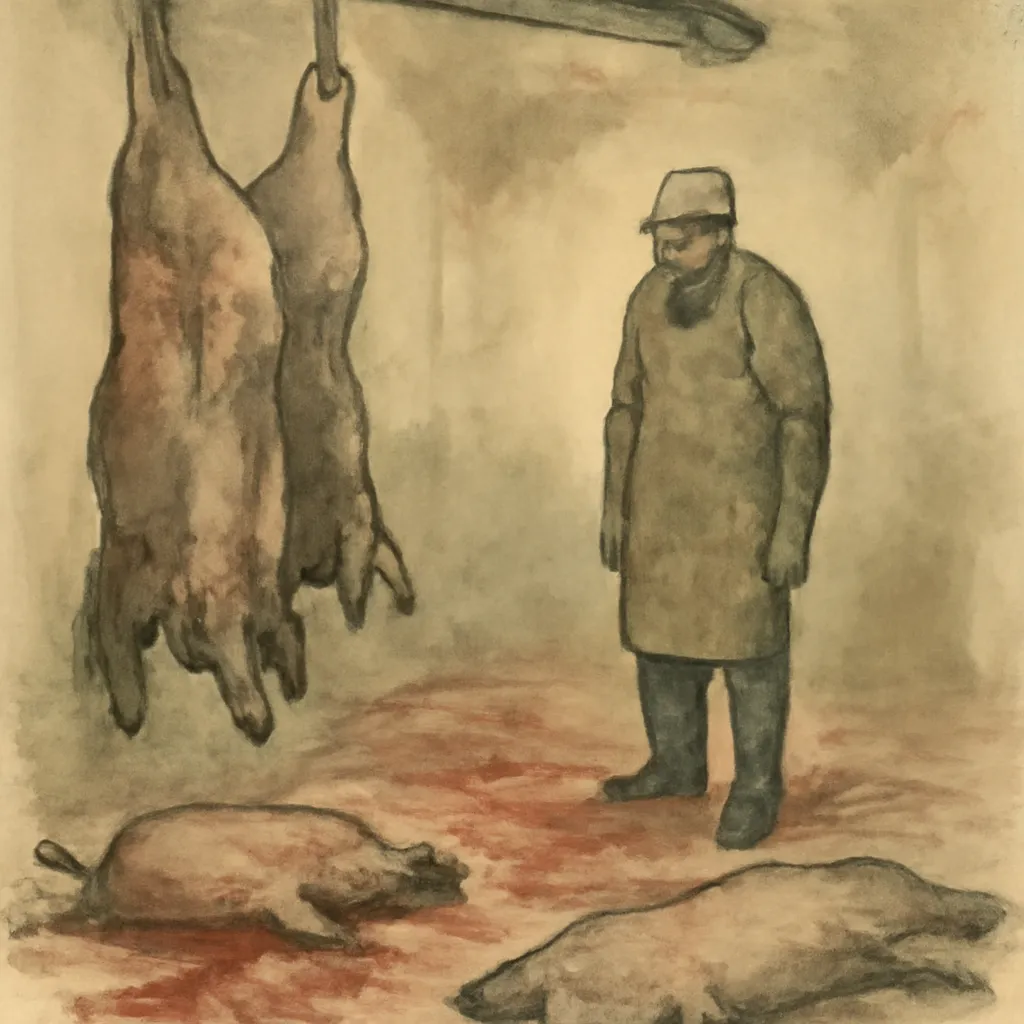
Sinclair's depiction of the Chicago stockyards serves as a microcosm for industrial America, where workers are reduced to mere cogs in a relentless machine. Jurgis, who starts with enthusiasm for his job, soon finds himself engulfed in a dehumanizing routine that strips him of his identity and dignity. The sheer volume of work, coupled with the horrifying conditions—blood-soaked floors, the stench of death, and the constant threat of injury—paints a vivid picture of the exploitation inherent in industrial labor. Workers are subjected to long hours with minimal pay, and their health is often sacrificed for profit. Sinclair's graphic descriptions of the meatpacking process, where diseased animals are processed without regard for safety or sanitation, expose the dark side of capitalism. This relentless pursuit of profit comes at the expense of human lives, revealing a system that prioritizes efficiency over welfare.
3.The Illusion of the American Dream
The novel critiques the notion of the American Dream, revealing it as a deceptive promise that often leads to despair. Jurgis and his family believe that hard work will lead to success, but their experiences in Packingtown illustrate the futility of this belief. Despite their efforts, they are continuously met with obstacles—job loss, illness, and family tragedy—that thwart their aspirations. Sinclair highlights how the capitalist system is rigged against the working class, where the wealthy elites thrive at the expense of the laborers. The family’s initial hope deteriorates into a grim struggle for survival, underscoring that the American Dream is often an unattainable illusion for those trapped in poverty. This disillusionment resonates with readers as a cautionary tale about the dangers of blind faith in a system that often fails to deliver on its promises.
4.The Role of Corruption and Greed
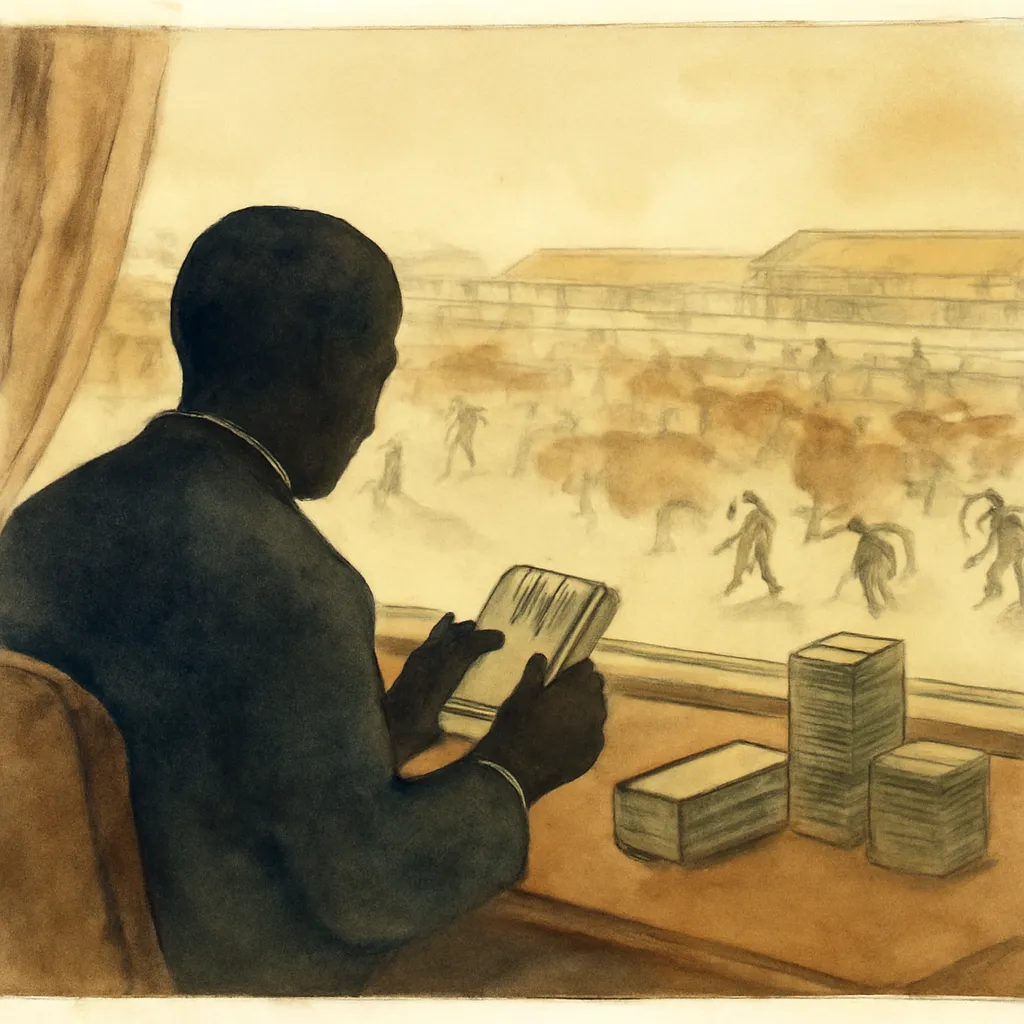
Sinclair exposes the rampant corruption within the meatpacking industry, illustrating how greed permeates every level of society. The powerful packers manipulate the system to maximize profits, often at the expense of worker safety and ethical standards. Jurgis encounters a corrupt system where the bosses exploit workers and engage in unethical practices, such as processing diseased meat for sale. The characters in the novel, from the corrupt politicians to the unscrupulous business owners, exemplify a system where profit is prioritized over morality. This pervasive corruption not only affects the workers but also contributes to public health crises, as unregulated practices lead to unsafe food products. Sinclair’s portrayal of this corruption serves as a powerful indictment of a capitalist system that allows such abuses to flourish unchecked.
5.The Struggles of Family Life
Amid the chaos of their external struggles, the novel also delves into the internal dynamics of Jurgis’s family, showcasing how economic hardship strains familial bonds. As the family faces mounting pressures—loss of jobs, illness, and financial instability—their unity is tested. The characters’ relationships evolve in response to their dire circumstances; love and support often give way to desperation and conflict. Jurgis’s marriage to Ona, initially filled with love and hope, becomes strained under the weight of their struggles. The family's shared experiences highlight the importance of solidarity, yet also reveal how external pressures can fracture relationships. Sinclair poignantly illustrates that economic hardship not only threatens survival but also erodes the very fabric of family life, leaving individuals isolated in their suffering.
6.The Fight for Workers' Rights
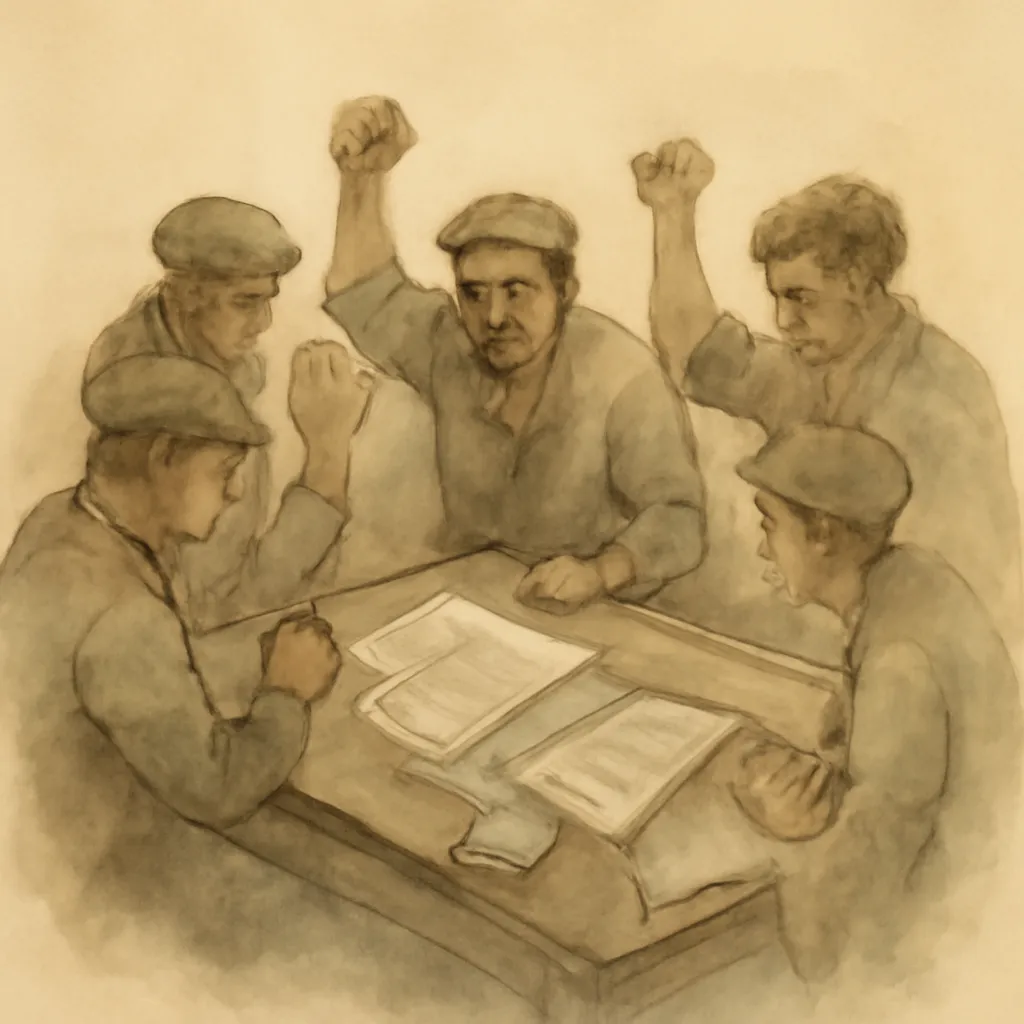
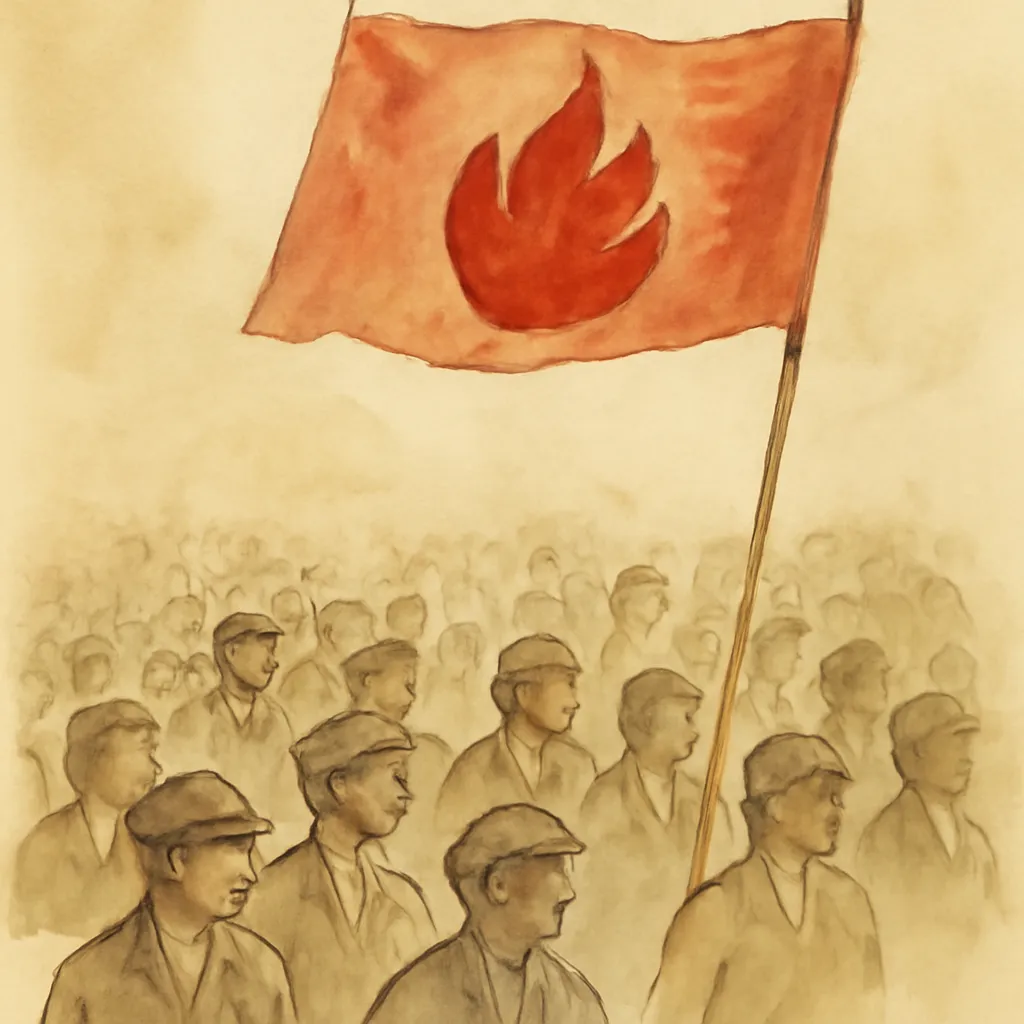
As Jurgis becomes increasingly aware of the injustices faced by workers, the narrative shifts to the burgeoning labor movement and the fight for workers' rights. Sinclair portrays the awakening of class consciousness among the laborers, who begin to organize for better wages, working conditions, and rights. Jurgis's involvement in the union reflects a turning point in his character, as he transitions from a passive victim to an active participant in the struggle for justice. The novel underscores the importance of collective action, illustrating how solidarity among workers can challenge the status quo and demand change. This theme resonates with contemporary labor movements, emphasizing the ongoing relevance of workers' rights and the need for social justice. Sinclair's depiction of the union movement serves as a hopeful counterpoint to the despair that permeates much of the novel.
7.Health and Safety Violations
Sinclair's graphic descriptions of the meatpacking industry reveal shocking health and safety violations that endanger both workers and consumers. The novel details the unsanitary conditions under which meat is processed, including the prevalence of disease among the animals and the lack of hygiene in the factories. Jurgis learns that the meat he helps process can be tainted and unsafe, raising serious ethical concerns about the food supply. This aspect of the story highlights the exploitation of both labor and consumer trust, as the industry prioritizes profit over public health. Sinclair’s revelations about the meatpacking process led to public outrage and eventually prompted reforms in food safety regulations. The novel serves as a powerful reminder of the need for oversight and accountability in industries that impact public health.
8.The Impact of Poverty on Mental Health
Throughout the novel, Sinclair explores the psychological toll that poverty and despair take on individuals. Jurgis's journey illustrates how relentless economic hardship can lead to mental and emotional strain, manifesting in anger, hopelessness, and despair. As he grapples with the loss of his family and the inability to provide for them, Jurgis's mental state deteriorates, showcasing the broader implications of poverty on mental health. Sinclair poignantly captures the struggle to maintain hope in the face of overwhelming adversity. The characters' experiences reflect the silent suffering of many who endure similar challenges, highlighting the urgent need for compassion and support for those affected by poverty. This theme resonates with contemporary discussions about mental health and the impact of socioeconomic status on well-being.
9.The Cycle of Poverty and Exploitation
Sinclair illustrates how the cycle of poverty perpetuates itself, trapping families in a relentless struggle for survival. The Rudkus family's descent into poverty is marked by a series of unfortunate events—job loss, illness, and death—that compound their hardships. Each setback leads to further exploitation, as they are forced to accept increasingly precarious work conditions just to make ends meet. Sinclair emphasizes that systemic issues, such as lack of access to education and healthcare, contribute to this cycle, making it nearly impossible for families to escape poverty. The narrative serves as a powerful critique of a system that allows such cycles to persist, urging readers to consider the broader societal changes needed to break this cycle. This theme underscores the importance of addressing the root causes of poverty and advocating for systemic reform.
10.A Call to Action
Ultimately, 'The Jungle' serves as a powerful call to action, urging readers to confront the injustices faced by the working class. Sinclair’s vivid storytelling and unflinching honesty compel readers to empathize with the struggles of Jurgis and his family, fostering a sense of urgency for societal change. The novel highlights the importance of awareness and activism in advocating for workers' rights, health regulations, and social justice. By exposing the dark realities of industrial America, Sinclair aims to inspire readers to engage with these issues and push for reform. The narrative encourages a collective responsibility to address the systemic inequalities that persist, reminding us that the fight for justice is ongoing. Sinclair's work remains relevant today, as it challenges readers to consider their role in creating a more equitable society.