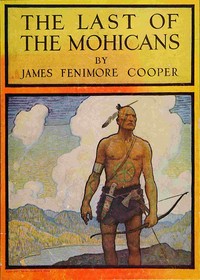

In the heart of the American wilderness, honor, love, and survival intertwine amidst the chaos of war
Read full overviewShow less›
Set against the backdrop of the French and Indian War, 'The Last of the Mohicans' weaves a tale of love, loyalty, and the brutal realities of colonial conflict. As British and French forces clash, the story follows the journey of two sisters, Cora and Alice, along with their companions, including the valiant Hawkeye and the last of the Mohican tribe, Uncas. Through treacherous terrain and savage battles, the characters navigate personal and cultural conflicts, highlighting themes of honor, sacrifice, and the struggle for identity amidst a rapidly changing world. Readers will explore the depths of human emotion and the stark realities of survival, all while being immersed in Cooper's vivid portrayal of the American frontier.
Ultimately, 'The Last of the Mohicans' is not just a tale of adventure and conflict; it is a profound exploration of the human condition amidst the backdrop of war and cultural upheaval. Cooper's rich characterizations and intricate narrative invite readers to reflect on the complexities of identity, the nature of heroism, and the impact of colonialism on both individuals and societies. Through the experiences of Cora, Alice, Uncas, and Hawkeye, the novel illuminates the enduring themes of love, loyalty, and sacrifice, reminding us that even in the darkest moments, the human spirit can shine brightly. This timeless story resonates with contemporary issues, urging us to consider the lessons of history and the importance of empathy in an increasingly divided world.
- 1The Wilderness as a Character
- 2Cultural Conflict and Identity
- 3Themes of Honor and Loyalty
- 4The Brutality of War
- 5The Role of Women in a Turbulent World
Notable quotes
“Mine ear is open, and my heart prepared: The worst is worldly loss thou canst unfold: Say, is my kingdom lost?”
“Sola, sola, wo, ha, ho, sola!”
“Before these fields were shorn and tilled, Full to the brim our rivers flowed; The melody of waters filled The fresh and boundless wood; And torrents dashed, and rivulets played, And fountains spouted in the shade.”
A glimpse inside

In 'The Last of the Mohicans', the American wilderness transcends its role as a mere setting; it emerges as a formidable character that shapes the experiences and destini… Read moreIn 'The Last of the Mohicans', the American wilderness transcends its role as a mere setting; it emerges as a formidable character that shapes the experiences and destinies of the individuals who traverse it. The dense forests and rugged mountains create a treacherous environment that tests the limits of human endurance and resilience. Characters frequently struggle against nature's relentless challenges, as they navigate through impassable terrain and survive the harsh elements. Cooper's detailed descriptions of the wilderness, filled with dark recesses and beautiful clearings, evoke a sense of both wonder and danger. The wilderness acts as a mirror to the characters' internal struggles and conflicts, emphasizing that their survival hinges not only on their physical abilities but also on their emotional and moral fortitude. This relationship with the wilderness reflects the broader theme of man versus nature, emphasizing the courage and resourcefulness required to thrive in such an unforgiving landscape, instilling a deep appreciation for the indomitable spirit of those who dare to inhabit it. Show less
The novel intricately explores the cultural conflicts between Native Americans and European settlers, particularly through the relationships between characters like Uncas… Read moreThe novel intricately explores the cultural conflicts between Native Americans and European settlers, particularly through the relationships between characters like Uncas, the last of the Mohican tribe, and his white companions. These interactions highlight the complexities of identity and belonging, as characters grapple with their loyalties and the realities of their heritage. Uncas embodies the noble qualities of his people, representing a connection to the land and tradition that is increasingly threatened by colonial expansion. His struggles reflect the broader plight of indigenous peoples during this era, as they navigated the encroachment of European settlers on their lands. Meanwhile, characters such as Major Heyward and Cora Munro navigate their own cultural identities, revealing the tensions between their European upbringing and the harsh realities of life on the frontier. This cultural clash ultimately prompts readers to reflect on the implications of colonialism and the loss of indigenous identities, showcasing the tragic consequences of a world where cultural richness is overshadowed by the greed and ambition of colonial powers. Show less
Read the full text — free
About the author
James Fenimore Cooper has 2 works free to read on Lumina, including The Last of the Mohicans
All 2 books by James Fenimore Cooper →