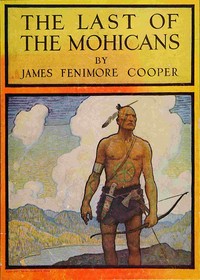
1.The Wilderness as a Character

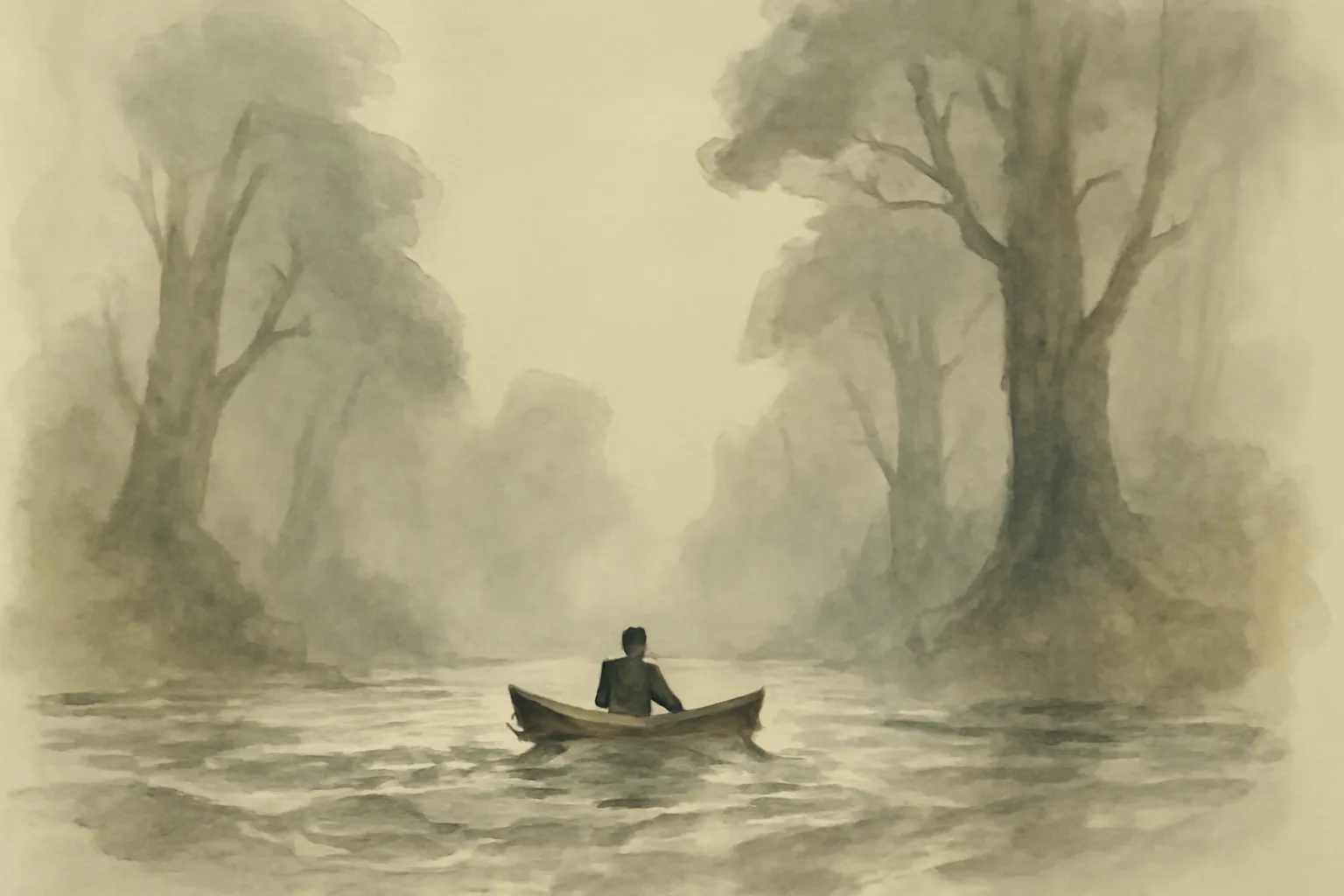
In 'The Last of the Mohicans', the American wilderness transcends its role as a mere setting; it emerges as a formidable character that shapes the experiences and destinies of the individuals who traverse it. The dense forests and rugged mountains create a treacherous environment that tests the limits of human endurance and resilience. Characters frequently struggle against nature's relentless challenges, as they navigate through impassable terrain and survive the harsh elements. Cooper's detailed descriptions of the wilderness, filled with dark recesses and beautiful clearings, evoke a sense of both wonder and danger. The wilderness acts as a mirror to the characters' internal struggles and conflicts, emphasizing that their survival hinges not only on their physical abilities but also on their emotional and moral fortitude. This relationship with the wilderness reflects the broader theme of man versus nature, emphasizing the courage and resourcefulness required to thrive in such an unforgiving landscape, instilling a deep appreciation for the indomitable spirit of those who dare to inhabit it.
2.Cultural Conflict and Identity
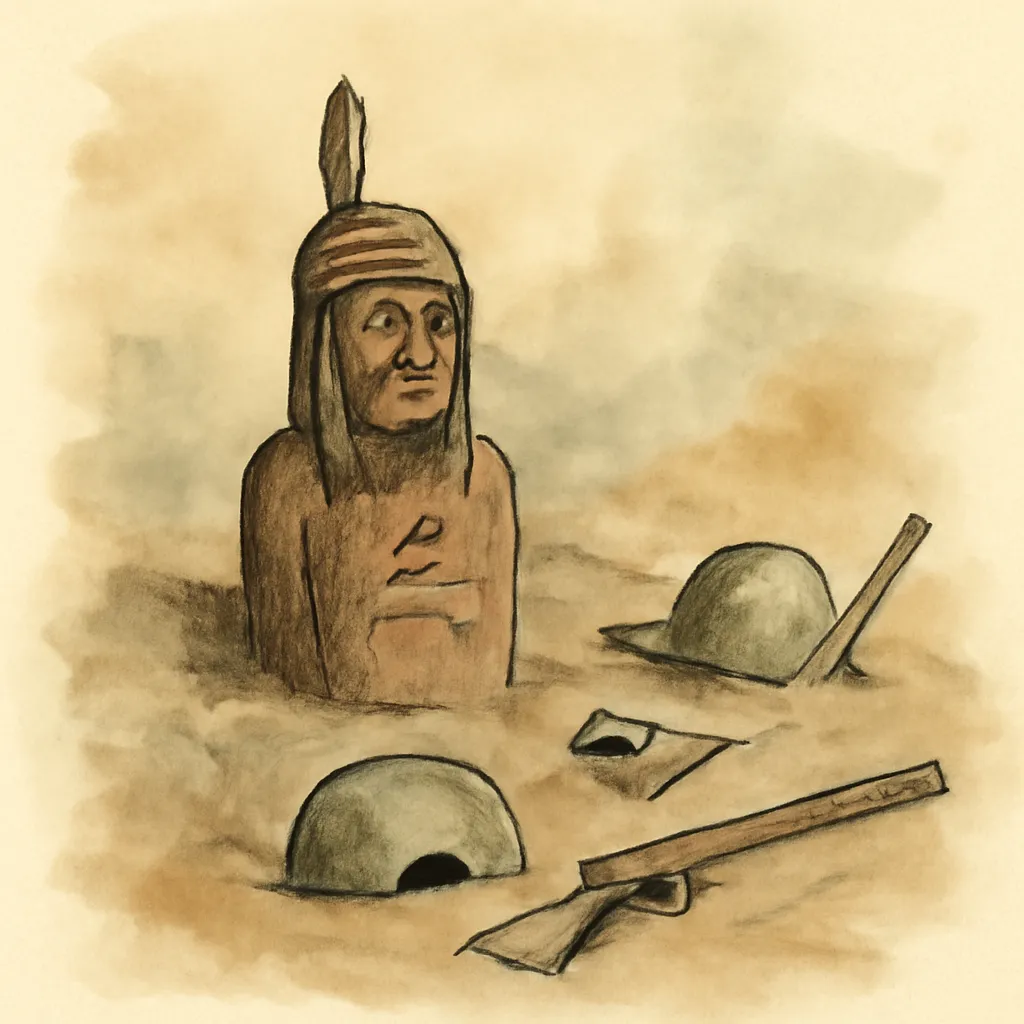
The novel intricately explores the cultural conflicts between Native Americans and European settlers, particularly through the relationships between characters like Uncas, the last of the Mohican tribe, and his white companions. These interactions highlight the complexities of identity and belonging, as characters grapple with their loyalties and the realities of their heritage. Uncas embodies the noble qualities of his people, representing a connection to the land and tradition that is increasingly threatened by colonial expansion. His struggles reflect the broader plight of indigenous peoples during this era, as they navigated the encroachment of European settlers on their lands. Meanwhile, characters such as Major Heyward and Cora Munro navigate their own cultural identities, revealing the tensions between their European upbringing and the harsh realities of life on the frontier. This cultural clash ultimately prompts readers to reflect on the implications of colonialism and the loss of indigenous identities, showcasing the tragic consequences of a world where cultural richness is overshadowed by the greed and ambition of colonial powers.
3.Themes of Honor and Loyalty
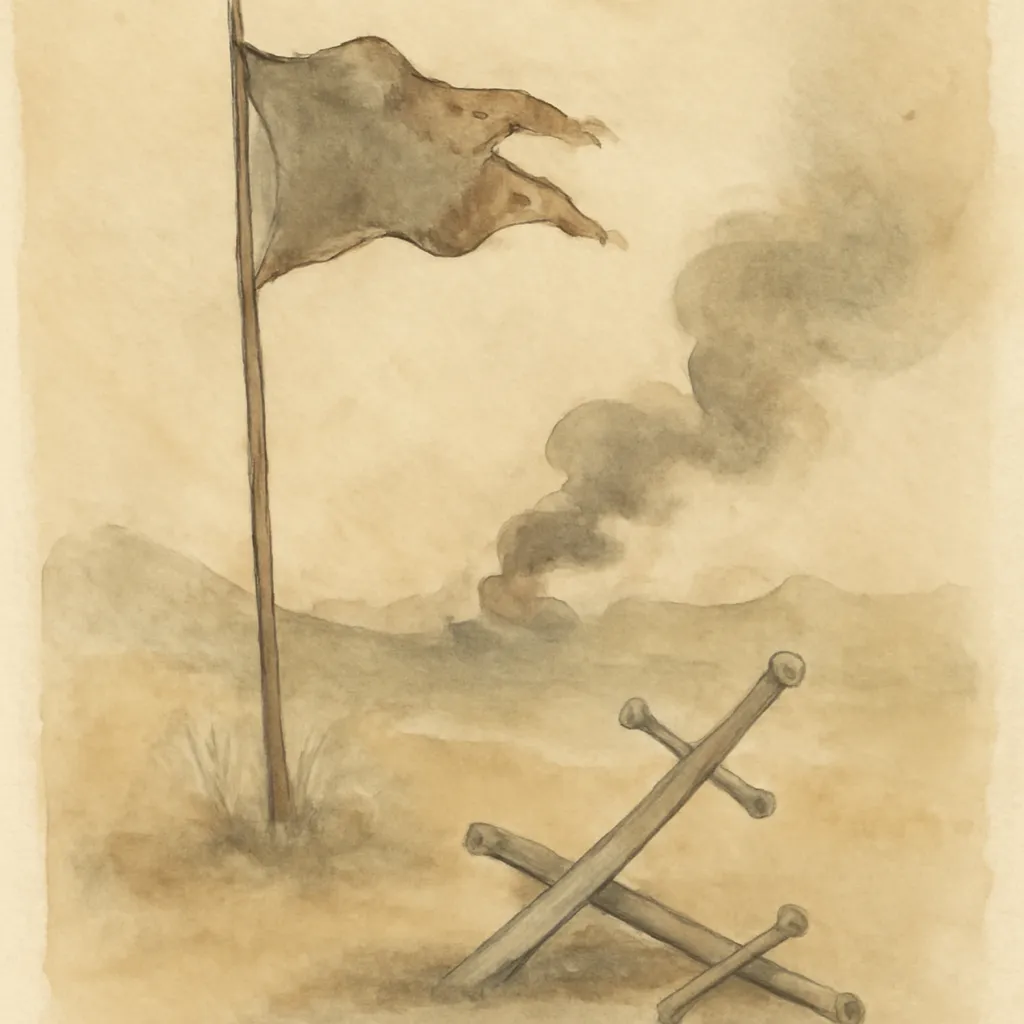
Honor and loyalty are central themes woven throughout Cooper's narrative, driving the actions and decisions of characters in profound ways. From the steadfast loyalty of Hawkeye, who risks his life to protect Cora and Alice, to Uncas's noble sacrifice, the characters' sense of duty often leads them into perilous situations. This moral compass, underscored by a demanding code of honor, illustrates how individuals are shaped by their cultural backgrounds and personal experiences. The concept of honor is closely tied to the characters' identities, with many demonstrating a willingness to sacrifice their own safety for the sake of others. This is particularly evident in the interactions between Uncas and Cora, where their burgeoning romance is underscored by a mutual respect and commitment to each other's well-being. Their relationship epitomizes the ideal of honor in love, suggesting that true bravery manifests not just on the battlefield but also in the vulnerability of personal connections. Such themes resonate deeply, prompting readers to consider the moral complexities of loyalty in times of conflict, as well as the personal sacrifices that accompany such a code.
4.The Brutality of War
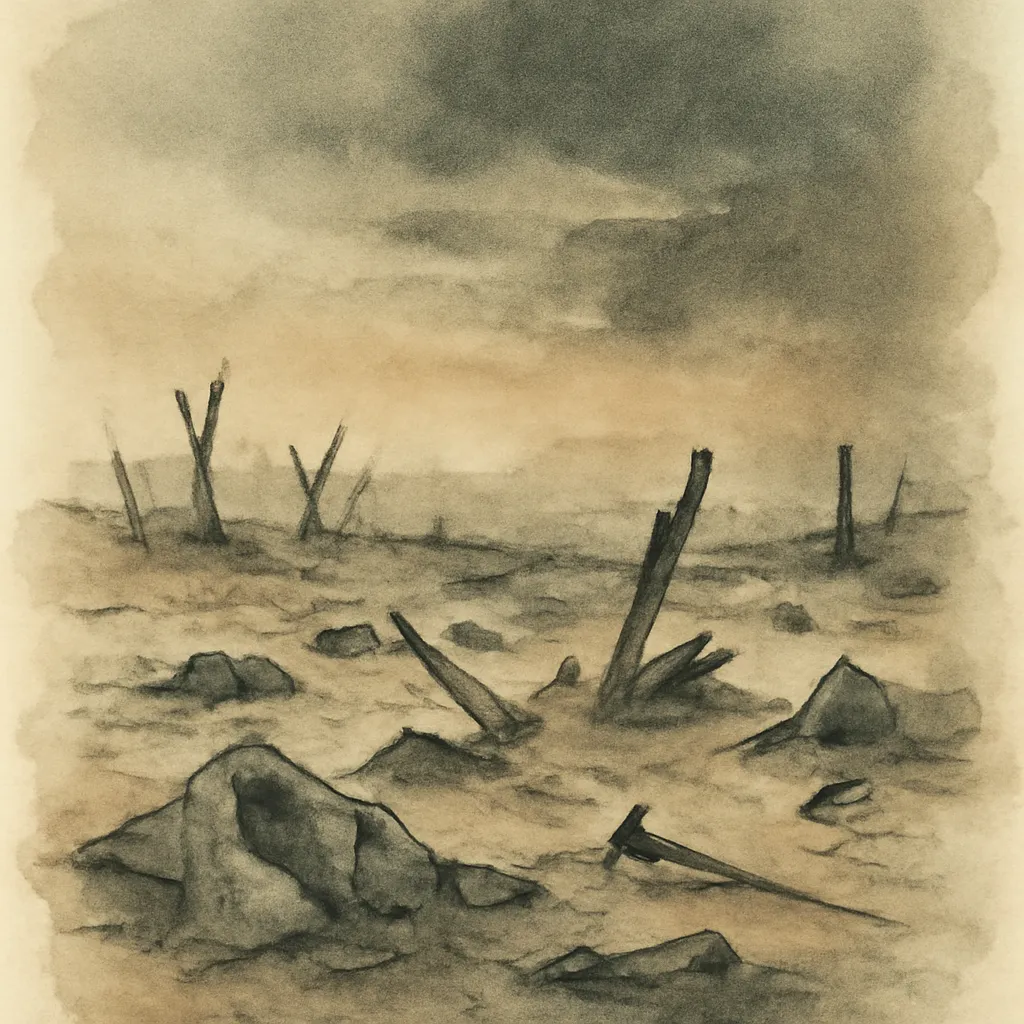
Cooper does not shy away from depicting the brutal realities of war, illustrating the chaos and violence that accompany the conflict between the British and French forces, along with their Native American allies. The narrative captures the fear and uncertainty that permeate the lives of those caught in the crossfire, emphasizing the human cost of colonial ambition. Scenes of ambush, skirmishes, and the aftermath of violence provide a stark contrast to the romantic ideals often associated with warfare. Through vivid descriptions of battles and their consequences, Cooper invites readers to confront the harsh truths of survival in a world where honor and brutality coexist. The emotional toll of war is palpable, as characters grapple with loss, trauma, and the difficult choices they must make to protect those they love. This portrayal serves as a poignant reminder of the sacrifices made by individuals in the name of loyalty and duty, forcing readers to reflect on the nature of courage in the face of overwhelming adversity.
5.The Role of Women in a Turbulent World
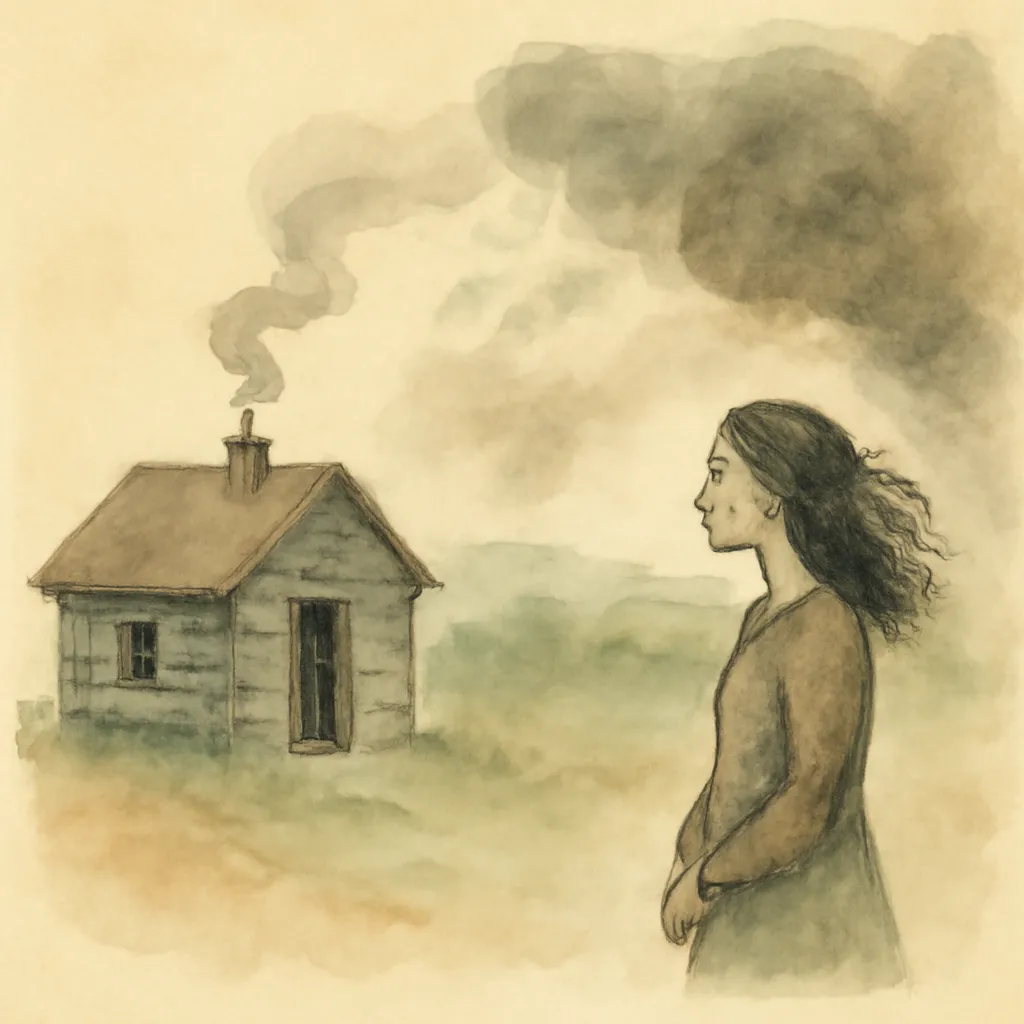
Cora and Alice Munro represent the complexities of women's roles during a time of conflict, navigating societal expectations while exhibiting strength and resilience. Cora, in particular, emerges as a strong character who challenges traditional gender roles, displaying courage and agency in the face of danger. Her relationship with Uncas transcends cultural boundaries, symbolizing a union of strength and compassion amidst the chaos. Alice, while more delicate, also showcases bravery, particularly in her interactions with the men around her. Through these characters, Cooper highlights the often-overlooked contributions of women in times of war, illustrating how they adapt and support their loved ones while confronting their own fears. The sisters' journey underscores the idea that women, though often marginalized, play vital roles in the survival and preservation of their families and cultures. Their experiences challenge the reader to recognize the strength and agency that women possess, even within the confines of a patriarchal society.
6.The Tragic Heroism of Uncas
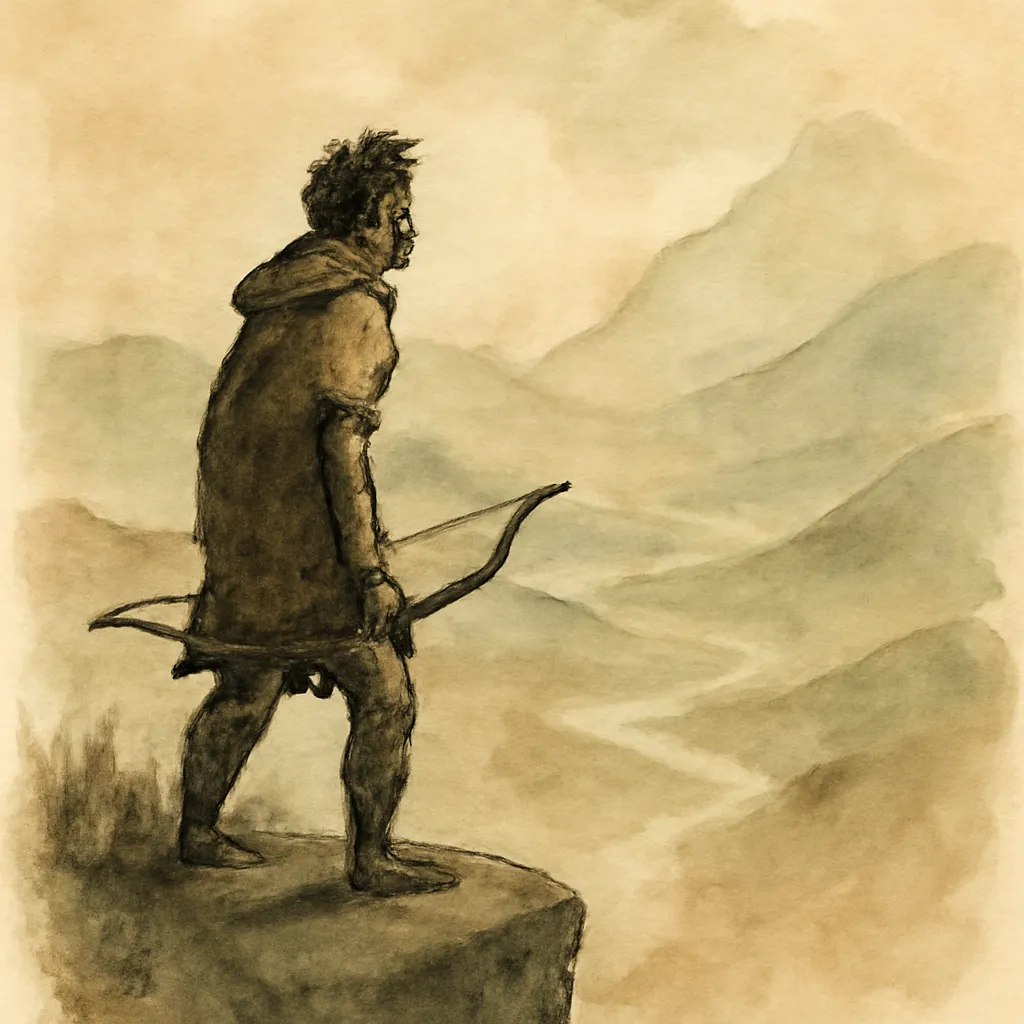
Uncas, the last of the Mohicans, embodies the tragic hero archetype, representing both the nobility of his culture and the impending doom of its extinction. His bravery and skill in battle are matched by his deep sense of honor, making him a compelling figure throughout the narrative. As he fights for the safety of Cora and his people, Uncas's character is marked by a profound sense of loss and longing for a world that is slipping away. His tragic fate serves as a poignant commentary on the broader themes of cultural extinction and the sacrifices made by indigenous peoples in the face of colonial encroachment. Through his story, Cooper evokes empathy and reflection, inviting readers to consider the cost of progress and the loss of cultural heritage. Uncas's struggles mirror those of his people, as he grapples with the weight of destiny and the burden of being a representative of a culture on the brink of disappearance. His heroism is not only in his physical prowess but also in his ability to embody hope amidst despair, making his ultimate sacrifice all the more poignant.
7.Friendship Across Cultural Divides
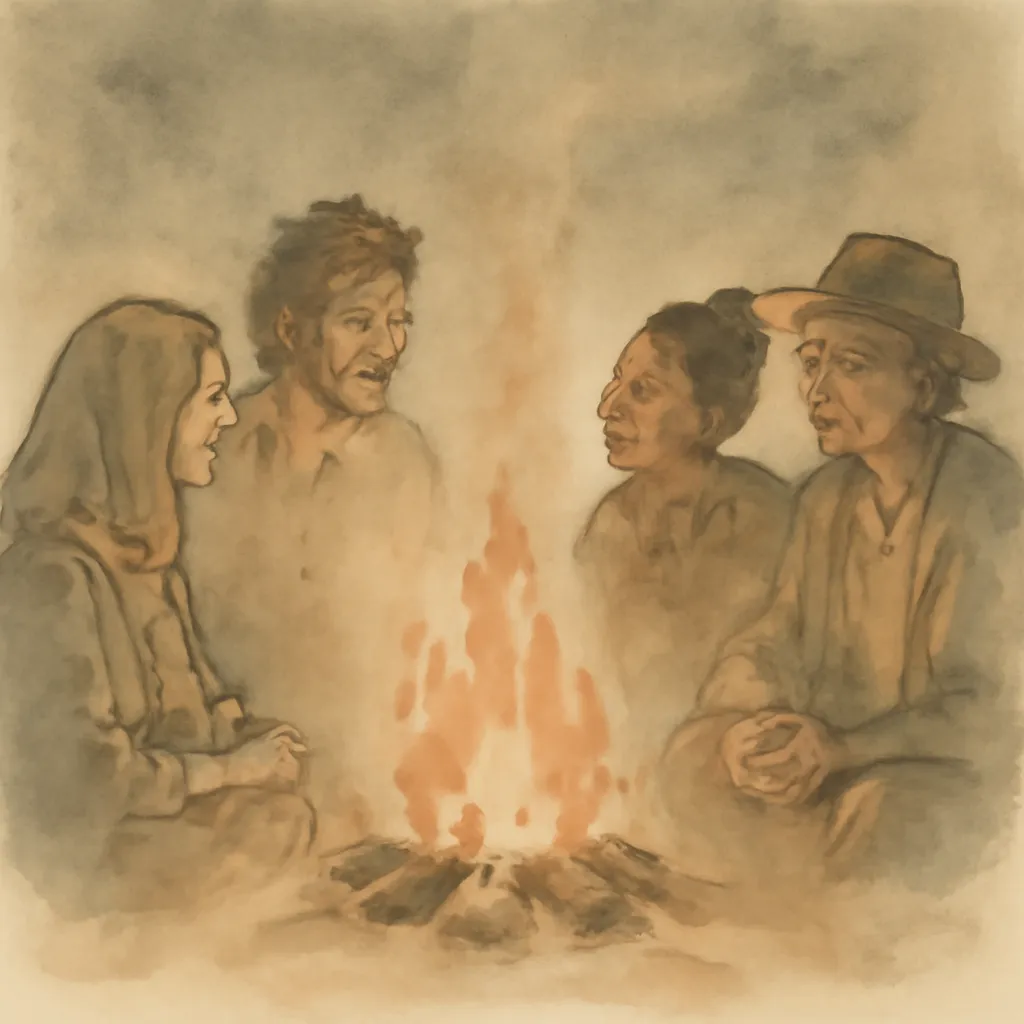
The relationships formed between characters of different backgrounds are a powerful testament to the potential for understanding and cooperation amidst conflict. The bond between Hawkeye, a frontiersman, and the Mohican warriors, particularly Chingachgook and Uncas, illustrates the possibility of friendship that transcends cultural barriers. Their mutual respect and shared goals allow them to work together effectively, highlighting the importance of collaboration in overcoming adversity. This theme is particularly relevant in the context of colonial America, where diverse cultures often clashed but also found common ground. Through these friendships, Cooper emphasizes the value of empathy and understanding in a world rife with division and conflict. As the characters face external threats from both colonial and indigenous foes, their ability to rely on one another becomes crucial in their quest for survival. Such alliances challenge the stereotypes of the period, presenting a more nuanced view of the complexities of cultural interactions during a time of war.
8.The Impact of Colonialism
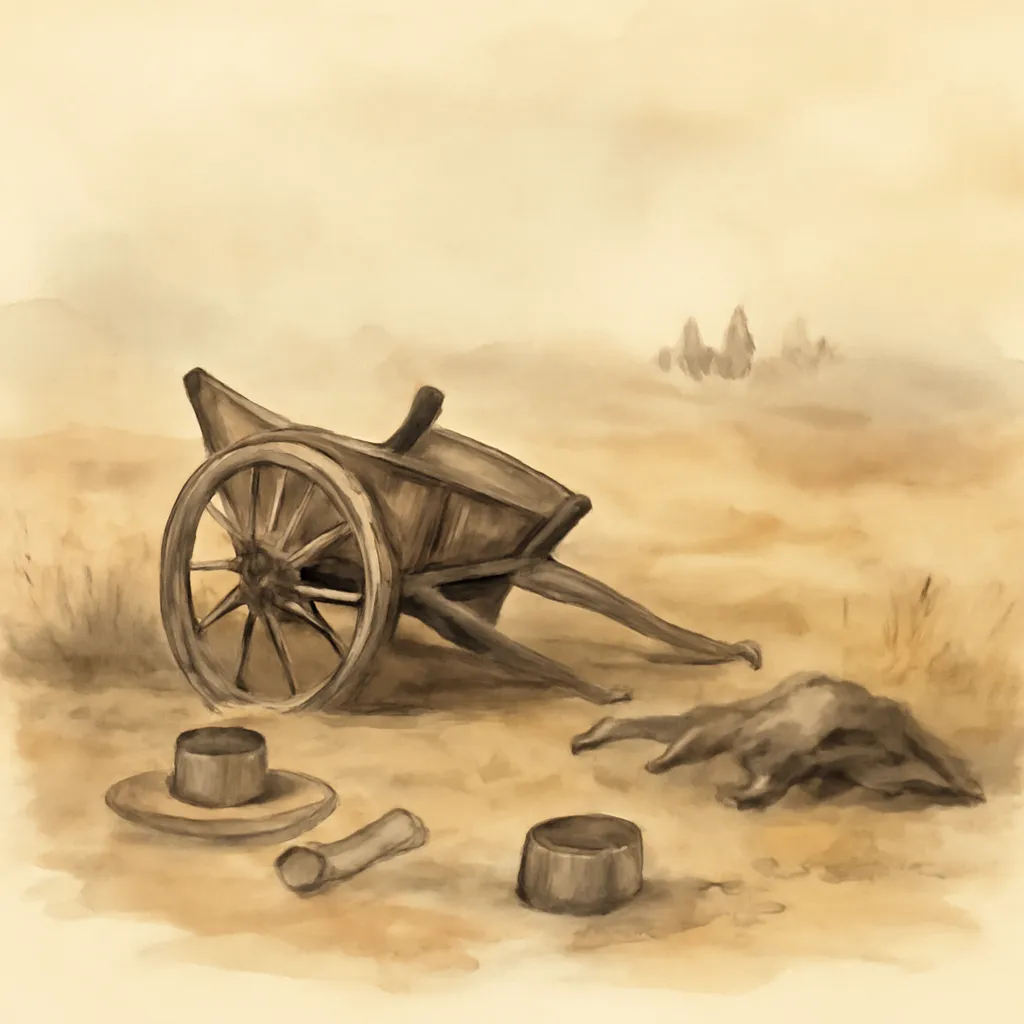
Cooper's narrative serves as a critique of colonialism, illustrating its destructive impact on indigenous cultures and the environment. The relentless pursuit of land and resources by European powers leads to violence and the erosion of Native American identities. The novel portrays the tragic consequences of this expansionism, as characters like Uncas face the loss of their heritage and way of life. Through the lens of individual stories, Cooper examines the broader implications of colonialism on both personal and societal levels, highlighting the moral dilemmas faced by characters caught between two worlds. The devastation wrought by colonial ambition is evident in the suffering endured by indigenous peoples, as well as the ethical compromises made by European settlers in their quest for power and dominion. This exploration prompts readers to reflect on the historical realities of colonialism, considering the lasting consequences of such actions that resonate even in contemporary discussions about land, identity, and justice.
9.The Nature of Heroism
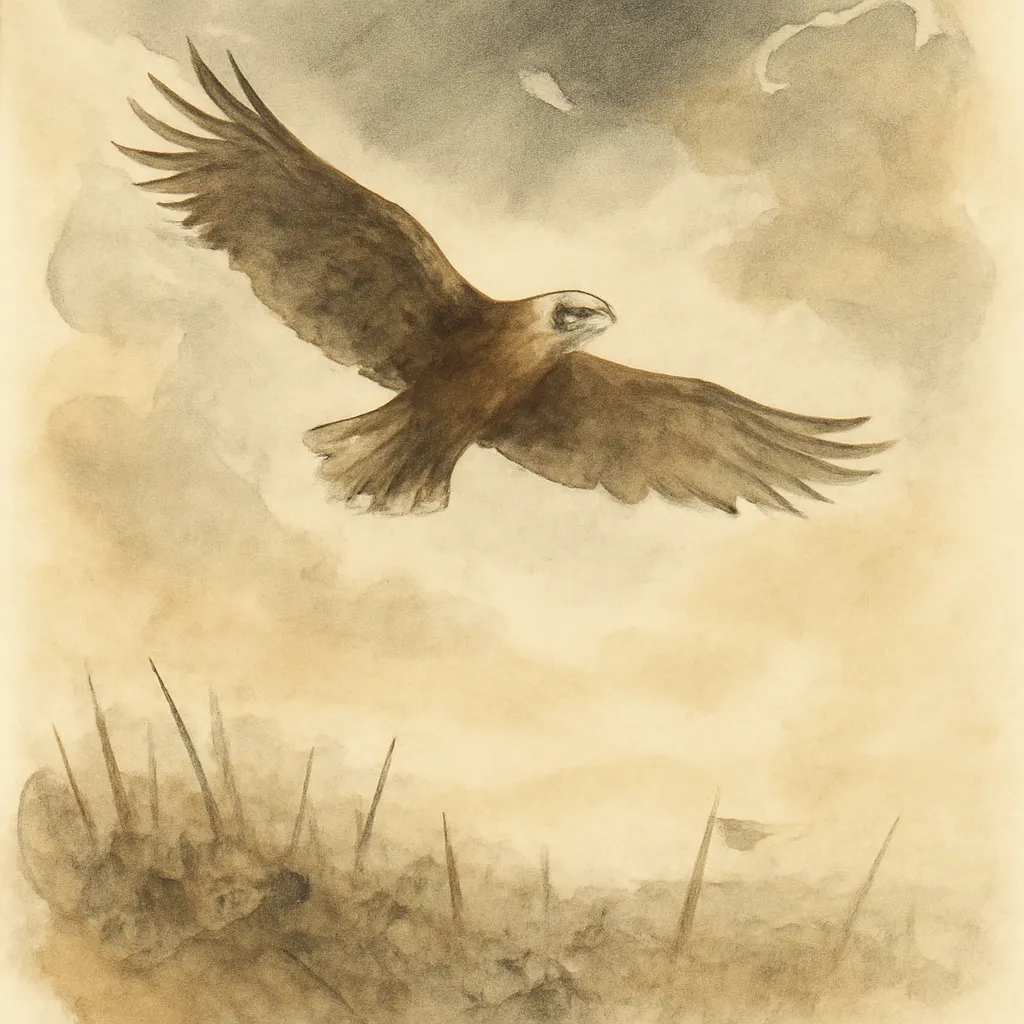
The concept of heroism is multifaceted in 'The Last of the Mohicans', as characters exhibit bravery in various forms. While traditional heroism is often associated with physical prowess and martial skill, Cooper expands this definition to include moral courage, loyalty, and sacrifice. Characters like Hawkeye demonstrate heroism through their unwavering commitment to protect others, while Uncas embodies the noble qualities of his heritage. The novel challenges readers to consider what it truly means to be a hero, emphasizing that courage can manifest in many ways, from acts of valor on the battlefield to the quiet strength of supporting a loved one. This nuanced portrayal of heroism invites reflection on the diverse ways individuals can rise to the occasion in times of crisis, suggesting that true heroism often lies in selflessness and the willingness to fight for the greater good. Through the experiences of his characters, Cooper illuminates the complexities of bravery in a world fraught with danger and uncertainty.