
Friendship, growth, and the pursuit of dreams intertwine in a young girl's journey through love and identity
Read full overviewShow less›
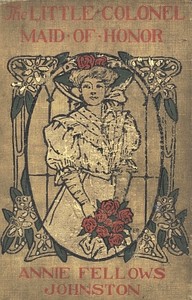
In 'The Little Colonel: Maid of Honor,' Annie F. Johnston weaves a rich tapestry of youthful exuberance, the complexities of friendship, and the nuances of growing up. This enchanting tale follows the adventures of Mary Ware and her friends as they navigate the trials of adolescence, the excitement of social gatherings, and the bittersweet moments of self-discovery. Through a series of charming vignettes, readers are invited into a world where the bonds of friendship are tested, dreams are chased, and the essence of true beauty is explored. With vivid descriptions and relatable characters, Johnston's narrative resonates with anyone who has ever experienced the joys and heartaches of growing up, making it a timeless exploration of youth and aspiration.
Annie F. Johnston's 'The Little Colonel: Maid of Honor' is a heartfelt exploration of youth, friendship, and self-discovery. Through the vivid experiences of Mary Ware and her friends, readers are invited to reflect on their own journeys of growth and the complexities of relationships. The narrative deftly weaves themes of beauty, legacy, and the pursuit of dreams, creating a rich tapestry that resonates with anyone who has navigated the challenges of adolescence. Ultimately, the story reminds us that while the journey may be fraught with difficulties, it is also filled with moments of joy, laughter, and profound connection—elements that shape us into who we are meant to be.
- 1The Beauty of Nature and Friendship
- 2The Thrill of Anticipation
- 3Self-Discovery through Fashion
- 4The Weight of Expectations
- 5The Joy of Celebration
Notable quotes
“Fortune has at last—fortune has at last— Fortune has at last changed in our fa-vor!”
“Just as it made me feel when I got here from the Cuckoo's Nest, and found this 'House Beautiful' of my dreams.”
“I know how it is going to make her feel.”
A glimpse inside

The story opens in the tranquil garden of Warwick Hall, where the protagonist, Betty Lewis, finds solace and inspiration amidst nature. Read moreThe story opens in the tranquil garden of Warwick Hall, where the protagonist, Betty Lewis, finds solace and inspiration amidst nature. This serene setting reflects the beauty and complexity of friendships that bloom in such environments. Betty, often absorbed in her writing, represents the introspective nature of creativity, while her interactions with classmates highlight the joys and challenges of youthful camaraderie. The garden serves as a metaphor for growth; just as plants need nurturing to thrive, friendships require care and understanding. The contrast between Betty's quiet moments of reflection and the lively school environment emphasizes the balance between solitude and social interaction that shapes their youthful experiences. The imagery of the peacocks with their vibrant tails symbolizes the beauty of individuality, encouraging each character to embrace their unique traits. This notion of personal growth through relationships is a core theme that resonates throughout the narrative. Show less
As Mary Ware prepares for her journey back to Kentucky, her excitement is palpable. The anticipation of returning to her 'promised land' encapsulates the universal feelin… Read moreAs Mary Ware prepares for her journey back to Kentucky, her excitement is palpable. The anticipation of returning to her 'promised land' encapsulates the universal feeling of longing for home and familiarity. Johnston captures the essence of youthful exuberance through Mary's energetic spirit as she engages in conversations with others, making every moment an opportunity for connection. The description of her shopping expedition in Phoenix for new clothes symbolizes not only a physical journey but also a transformative one. Each dress and fabric selected holds the promise of a new identity, reflecting her desire to step into a more confident version of herself. The moment she sings, 'Fortune has at last changed in our fa-vor,' in the store illustrates how material possessions can reflect deeper self-worth and confidence. This blend of excitement and anxiety around new beginnings resonates with readers who have faced similar experiences, making Mary's journey relatable and inspiring. The way she interacts with the postman during her journey further emphasizes her infectious enthusiasm for life. Show less
Read the full text — free
About the author
Annie F. Johnston has 2 works free to read on Lumina, including The Little Colonel's Christmas Vacation
All 2 books by Annie F. Johnston →