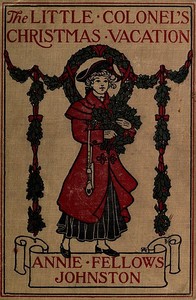
1.The Beauty of Nature and Friendship
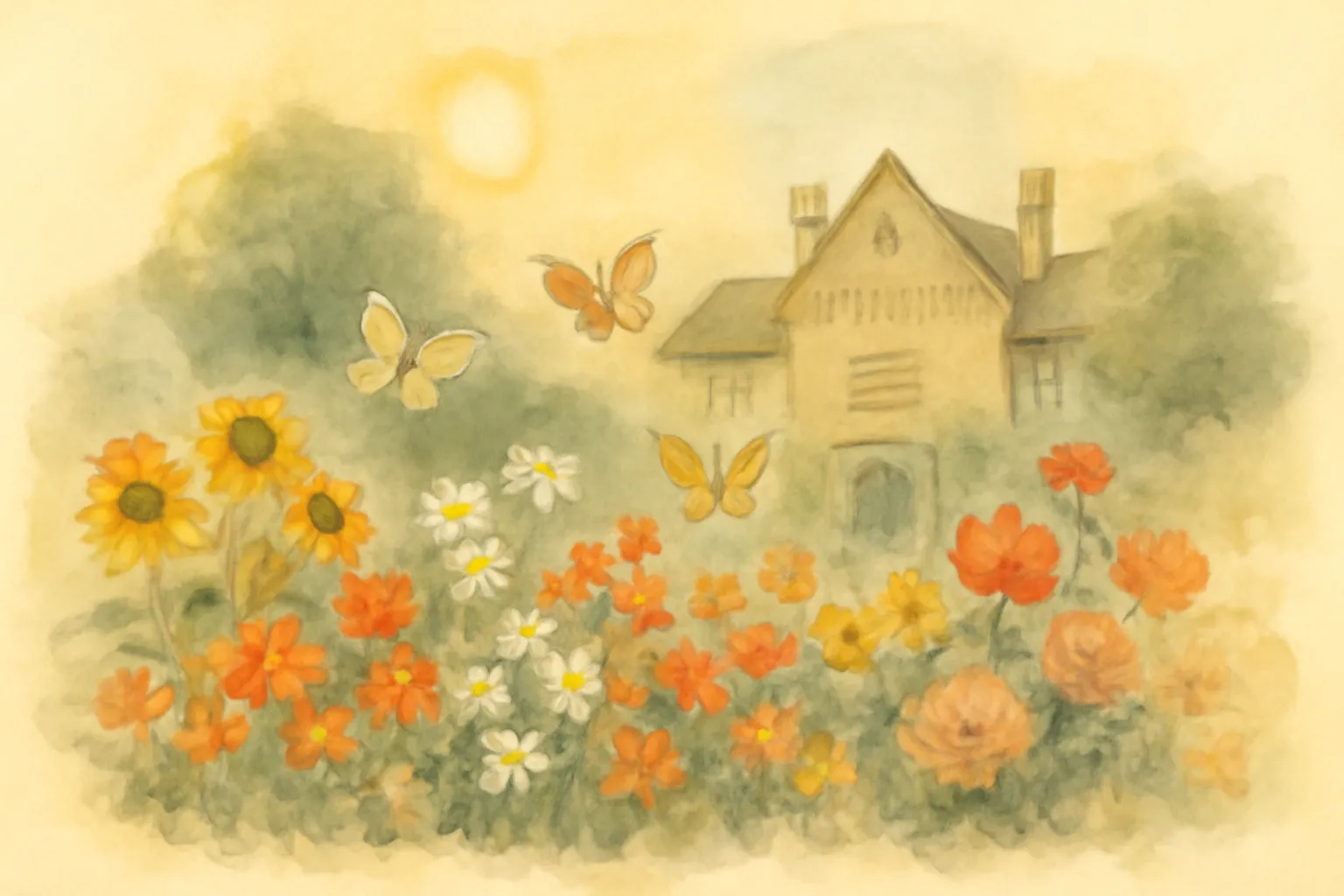
The story opens in the tranquil garden of Warwick Hall, where the protagonist, Betty Lewis, finds solace and inspiration amidst nature. This serene setting reflects the beauty and complexity of friendships that bloom in such environments. Betty, often absorbed in her writing, represents the introspective nature of creativity, while her interactions with classmates highlight the joys and challenges of youthful camaraderie. The garden serves as a metaphor for growth; just as plants need nurturing to thrive, friendships require care and understanding. The contrast between Betty's quiet moments of reflection and the lively school environment emphasizes the balance between solitude and social interaction that shapes their youthful experiences. The imagery of the peacocks with their vibrant tails symbolizes the beauty of individuality, encouraging each character to embrace their unique traits. This notion of personal growth through relationships is a core theme that resonates throughout the narrative.
2.The Thrill of Anticipation

As Mary Ware prepares for her journey back to Kentucky, her excitement is palpable. The anticipation of returning to her 'promised land' encapsulates the universal feeling of longing for home and familiarity. Johnston captures the essence of youthful exuberance through Mary's energetic spirit as she engages in conversations with others, making every moment an opportunity for connection. The description of her shopping expedition in Phoenix for new clothes symbolizes not only a physical journey but also a transformative one. Each dress and fabric selected holds the promise of a new identity, reflecting her desire to step into a more confident version of herself. The moment she sings, 'Fortune has at last changed in our fa-vor,' in the store illustrates how material possessions can reflect deeper self-worth and confidence. This blend of excitement and anxiety around new beginnings resonates with readers who have faced similar experiences, making Mary's journey relatable and inspiring. The way she interacts with the postman during her journey further emphasizes her infectious enthusiasm for life.
3.Self-Discovery through Fashion
Mary's experience with clothes becomes a significant symbol of her evolving identity. After years of wearing hand-me-downs, the thrill of selecting her fabrics and designs represents a newfound autonomy and self-expression. The moment she tries on a pale blue dress, comparing it to the color of a wild morning-glory, captures her youthful innocence and desire for beauty. However, her mother's comments about her appearance serve as a reminder of societal standards of beauty and the pressure to conform. This duality highlights the struggle many young girls face—balancing personal expression with external expectations and the desire to fit in. Johnston poignantly illustrates how Mary, despite her initial embarrassment over her sunburned skin, learns to embrace her individuality throughout the story. This journey reflects a broader commentary on how clothing and appearance can influence self-perception and societal acceptance, showcasing a delicate dance between confidence and vulnerability.
4.The Weight of Expectations
Lloyd Sherman, known as the Little Colonel, embodies the pressures of living up to family traditions and expectations. As she navigates her role as a model for her peers, she grapples with the burden of being an only child in a lineage of distinguished ancestors. The narrative explores how these expectations can stifle individuality, leading to a struggle between personal desires and societal roles. Lloyd's ambition 'to make undying music in the world' and her desire to emulate her beautiful grandmother Amanthis set high standards for her conduct and aspirations. Johnston's depiction of Lloyd's internal conflict—wrestling with the desire to break free from the expectations and the fear of disappointing her family—resonates with anyone who has faced similar pressures. This theme underscores the importance of self-acceptance and the courage to pursue one's path, despite the weight of lineage and tradition.
5.The Joy of Celebration
The arrival of the bridal party at The Locusts is marked by excitement and anticipation, showcasing the significance of communal celebrations in the characters' lives. The preparations for the wedding, from the cake to the gowns, reflect the joy derived from shared experiences. This event not only serves as a backdrop for social interactions but also highlights the importance of unity and friendship in navigating life's milestones. The narrative captures the essence of celebration as a bonding experience, emphasizing how such moments create lasting memories and deepen relationships. The rituals surrounding the wedding, including the creating of tableaux and the role of each character, symbolize the characters' interconnectedness and contribution to each other's happiness. The characters’ involvement in the wedding preparations signifies their collective investment in each other’s joy, illustrating the beauty of community in personal growth and the shared excitement of new beginnings.
6.Navigating Jealousy and Rivalry
The interactions between the characters reveal the complexities of friendships, especially when jealousy and rivalry come into play. Mary’s experiences with Bernice Howe showcase the challenges of maintaining friendships amid competition for attention and affection. Bernice’s comments about Lloyd’s supposed flirtations with Mr. Shelby introduce a tension that complicates the dynamics of their social group. Johnston deftly explores how misunderstandings can lead to conflict, yet also serve as a catalyst for growth and resolution. The narrative emphasizes the importance of communication and empathy in overcoming jealousy, reinforcing the idea that true friendships can endure and evolve even in the face of rivalry. The resolution of these tensions not only strengthens the bond between the characters but also teaches them valuable lessons about trust, loyalty, and the importance of honest dialogue in relationships.
7.The Power of Dreams and Aspirations
Throughout the story, dreams play a pivotal role in shaping the characters' identities and futures. The tradition of sharing dreams after the wedding celebration highlights the significance of aspirations in personal growth. Each character's dreams reflect their desires, fears, and hopes, creating a tapestry of ambition that resonates with readers. For Mary, her dreams are tied to her aspirations for self-identity, and they evolve throughout the narrative as she gains confidence and learns to navigate her desires. The moment she embraces the idea of being a gate-opener at the wedding symbolizes not just her role in the event, but her burgeoning sense of agency in her life. This emphasis on dreams serves as a reminder that aspirations are not merely whimsical fantasies; they are integral to shaping one's path in life. The characters’ willingness to share their dreams fosters a sense of community and support, illustrating how collective encouragement can empower individuals to pursue their goals and bring their dreams to fruition.
8.Embracing Change and Growth
The progression of the story emphasizes the inevitability of change and the importance of embracing it. As Mary matures through her experiences, she learns to navigate the complexities of friendships, societal expectations, and self-identity. The characters' growth is illustrated through their responses to various challenges, from preparing for the wedding to dealing with jealousy. Johnston beautifully captures the essence of transformation, portraying how each character evolves through their interactions and experiences. This theme resonates with readers, reminding them that growth is a continuous journey shaped by both triumphs and tribulations. The shifts in relationships, particularly between Mary and her peers, signify a broader understanding of the importance of adaptability and resilience in facing life's challenges.
9.The Importance of Legacy and Heritage
The characters in the story are deeply rooted in their family legacies, which shape their identities and relationships. Lloyd’s connection to her ancestors and their expectations highlights the weight of heritage in personal development. This theme is explored through the characters’ reflections on their family histories and the influence of tradition on their choices. The narrative underscores how legacy can serve as both a guiding force and a source of pressure, prompting characters to reconcile their desires with familial expectations. The conversations about family lineage and the responsibilities that come with it echo the sentiments of many young people today, navigating their paths while honoring their histories. By weaving this theme throughout the story, Johnston invites readers to consider their own legacies and the ways in which they shape their identities, ultimately emphasizing that while heritage is important, personal authenticity is paramount.
10.Finding Beauty in Imperfection
Throughout the narrative, the characters grapple with their self-perceptions and societal standards of beauty. Mary's initial embarrassment over her appearance contrasts with her eventual acceptance of herself, illustrating the journey toward self-love. The moments when characters confront their insecurities serve as pivotal points in their development. Johnston emphasizes that true beauty lies not in perfection but in authenticity and individuality. For example, Mary learns to appreciate her unique qualities and finds strength in her resilience to navigate societal expectations. This theme resonates with readers, encouraging them to embrace their imperfections and recognize the beauty within themselves. The journey toward self-acceptance is a powerful message that underscores the importance of loving oneself amidst societal pressures, and it reflects a universal truth that transcends the boundaries of time and culture.