
Decision making · PSYCHOLOGY / Cognitive Psychology · PSYCHOLOGY
The Mind Within the Brain by A. David Redish — Summary, Key Ideas & Quotes
2013377 pages✦ 3-min Big ideas
Rate it
The goal of this book is to present the science behind decision-making in humans. In particular, one of the main concepts the author puts forward in the book is that, if our brain is a decision-making machine, then that machine can break down; it can have a "failure" or "vulnerabilities." And that it is possible to understand that machinery (even to understand that it is a machinery), without losing the potential to appreciate all the things that make us human (including our decision-making ability). Here the author brings together cutting edge research in psychology, robotics, economics, neuroscience, and the new fields of neuroeconomics and computational psychiatry, to offer a unified theory of human decision-making. Most importantly, he shows how vulnerabilities, or "failure-modes," in the decision-making system can lead to serious dysfunctions, such as irrational behavior, addictions, problem gambling, and PTSD. Ranging widely from the surprising roles of emotion, habit, and narrative in decision-making, to the larger philosophical questions of how mind and brain are related, what makes us human, the nature of morality, free will, and the conundrum of robotics and consciousness, this work offers fresh insight into one of the most complex aspects of human behavior.
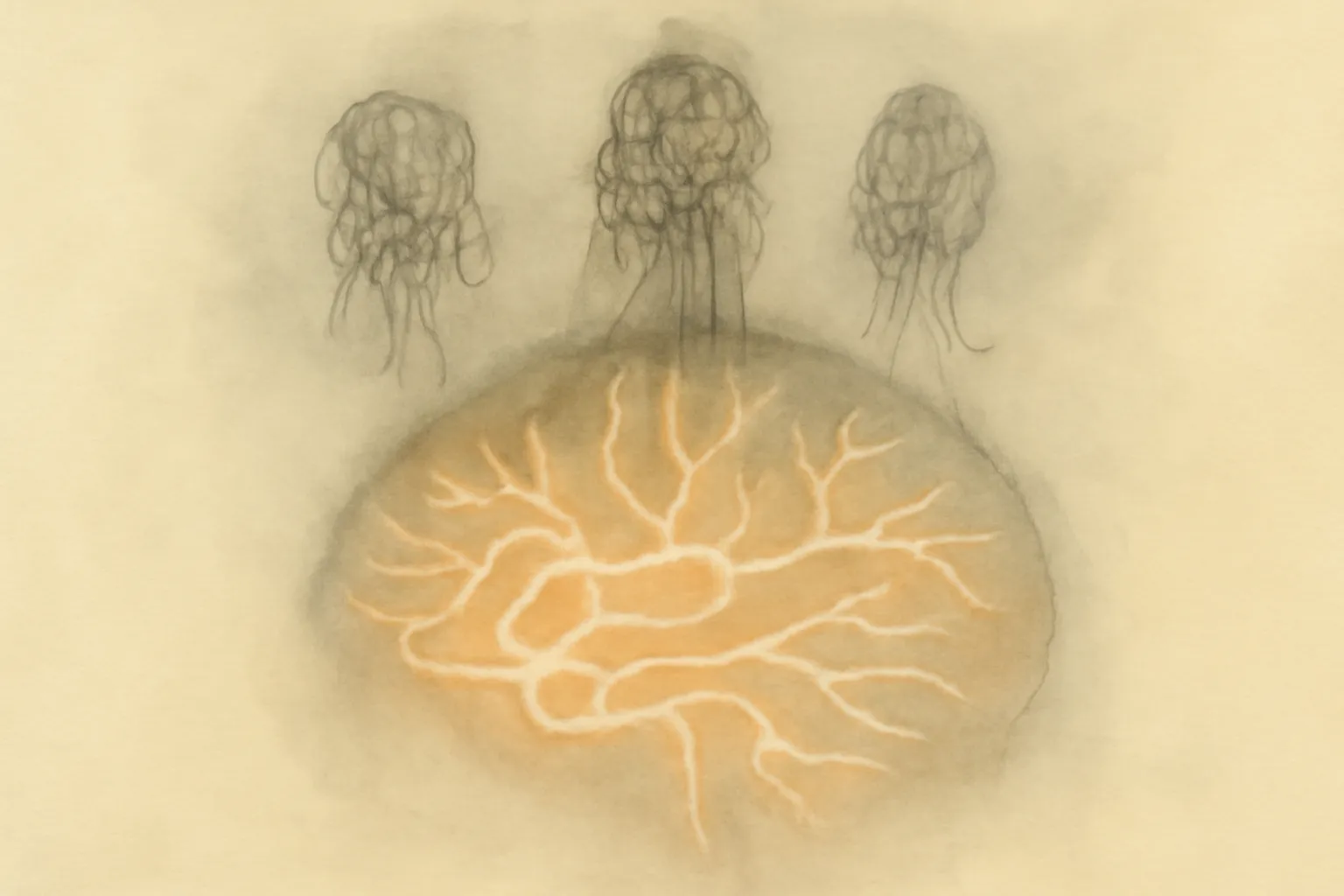
Redish frames the brain as a complex, multi-layered decision-making system, akin to a computational machine. He argues that our choices arise from the interplay of several distinct but interacting subsystems—habit, emotion, and deliberation—each with its own logic and vulnerabilities. This perspective demystifies decision-making, showing it as the product of tangible neural processes rather than a mystical or purely rational act.
A central thesis is that, like any machine, the brain’s decision systems can fail in predictable ways. Redish details how specific 'failure modes'—such as the dominance of habit over deliberation, or emotional hijacking—can lead to irrational behaviors, compulsions, and mental illnesses. By understanding these breakdowns, we can better comprehend conditions like addiction and PTSD as malfunctions of otherwise adaptive systems.