1.The Brain as a Decision-Making Machine
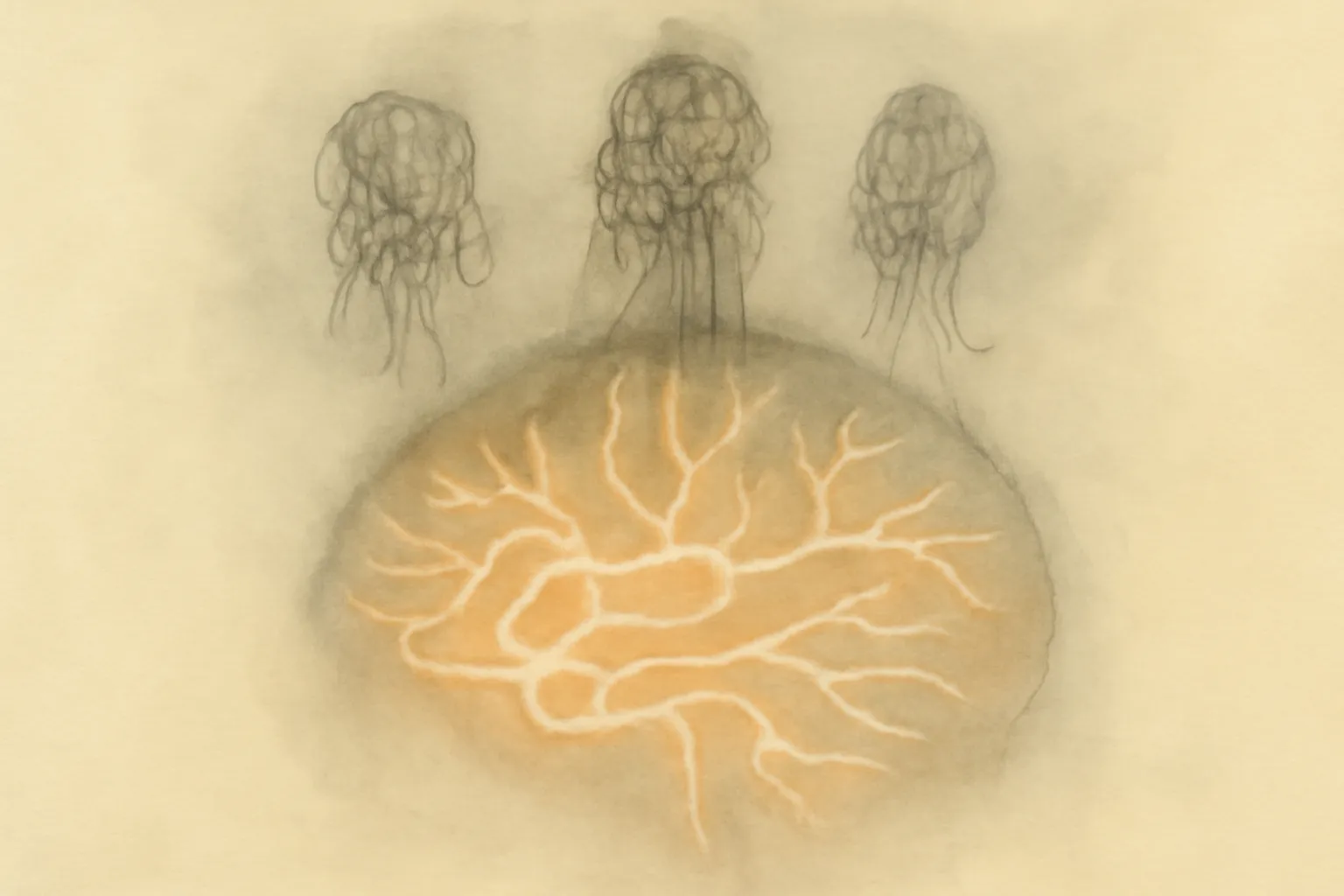
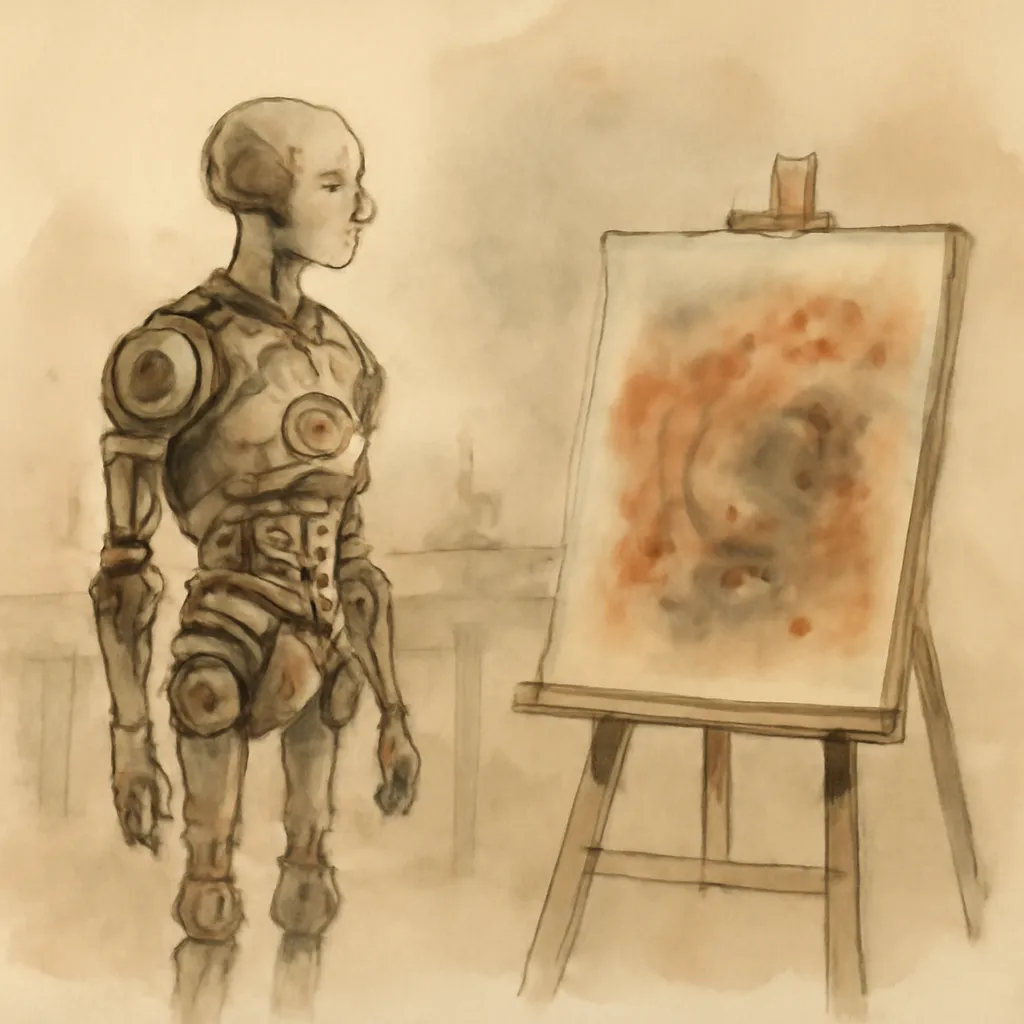
Redish frames the brain as a complex, multi-layered decision-making system, akin to a computational machine. He argues that our choices arise from the interplay of several distinct but interacting subsystems—habit, emotion, and deliberation—each with its own logic and vulnerabilities. This perspective demystifies decision-making, showing it as the product of tangible neural processes rather than a mystical or purely rational act.
2.Failure Modes: When Decision-Making Breaks Down
A central thesis is that, like any machine, the brain’s decision systems can fail in predictable ways. Redish details how specific 'failure modes'—such as the dominance of habit over deliberation, or emotional hijacking—can lead to irrational behaviors, compulsions, and mental illnesses. By understanding these breakdowns, we can better comprehend conditions like addiction and PTSD as malfunctions of otherwise adaptive systems.
3.The Role of Emotion, Habit, and Narrative
Redish emphasizes that decision-making is not purely rational. Emotions provide crucial signals about value and risk, while habits automate routine choices. Narrative—the stories we tell ourselves—binds our experiences into coherent wholes, influencing both memory and future decisions. These elements, while essential, can also mislead us when they overpower deliberative reasoning.
4.Neuroeconomics and Computational Psychiatry
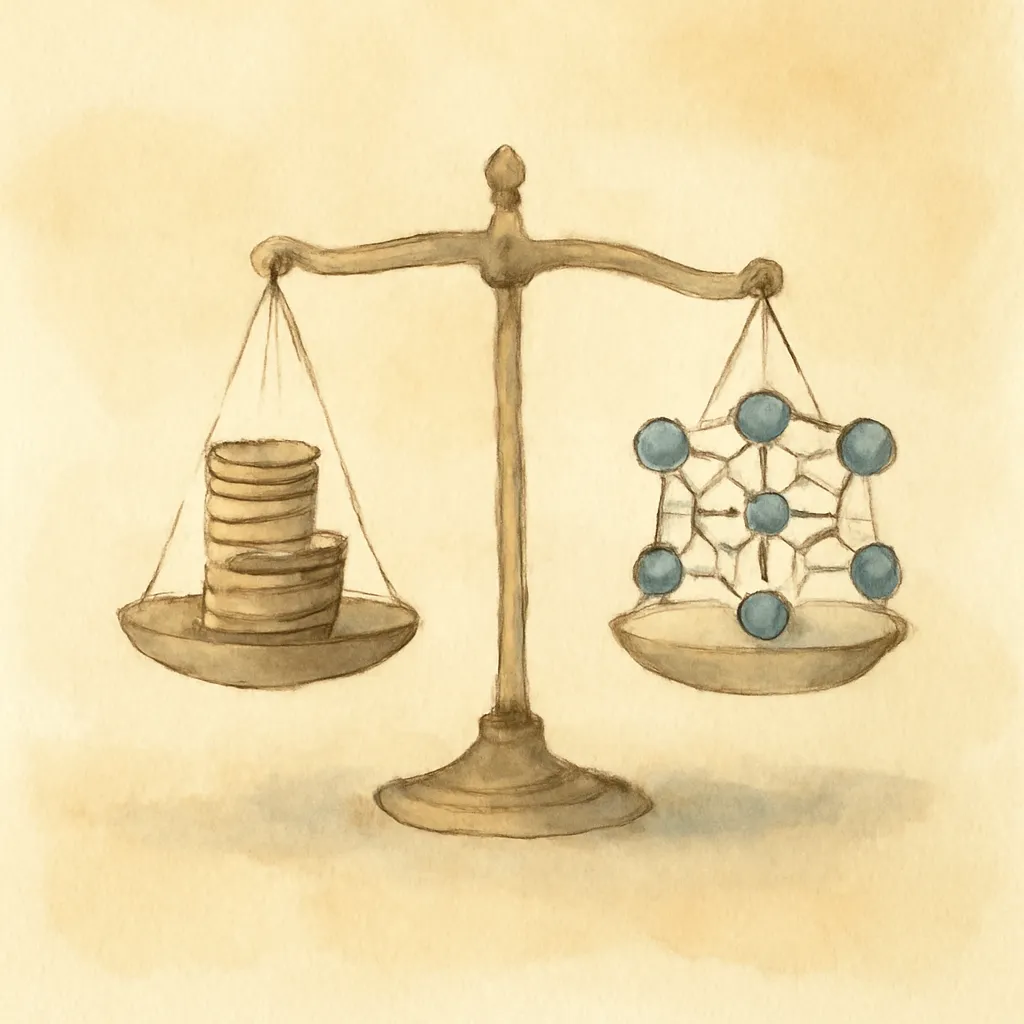
The book introduces readers to emerging fields that bridge neuroscience with economics and psychiatry. Neuroeconomics uses models of value and reward to explain choices, while computational psychiatry applies these models to disorders. Redish shows how understanding the 'algorithms' of the brain can illuminate both normal and pathological decision-making, offering new avenues for treatment.
5.Free Will, Morality, and the Human Condition
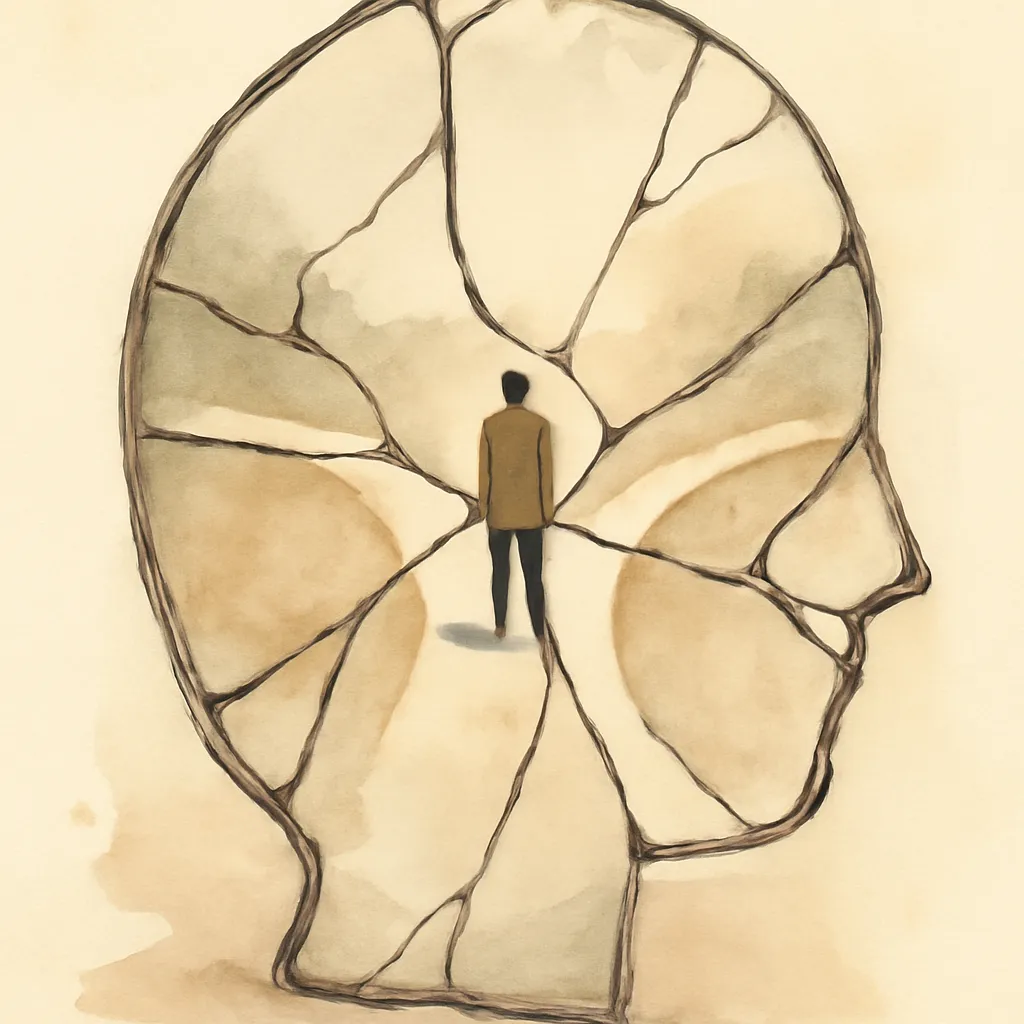
Redish does not shy away from philosophical implications. If our choices are shaped by neural machinery, what does this mean for free will and moral responsibility? He suggests that recognizing the brain’s vulnerabilities can foster empathy and inform debates about blame, punishment, and rehabilitation, while still appreciating the uniqueness of human experience.
6.Lessons from Artificial Intelligence and Robotics
Drawing from robotics and AI, Redish compares human and artificial decision systems, highlighting both parallels and limits. These comparisons clarify what is uniquely human—such as the capacity for narrative and self-reflection—while also warning that machines, like brains, are susceptible to their own kinds of failure.