

Neural networks (Neurobiology) · PSYCHOLOGY · Electronic books
The Mind Within the Net by Manfred Spitzer — Summary, Key Ideas & Quotes
1999367 pages✦ 3-min Big ideas
Rate it
How does the brain work? How do billions of neurons bring about ideas, sensations, emotions, and actions? Why do children learn faster than elderly people? What can go wrong in perception, thinking, learning, and acting? Scientists now use computer models to help us understand the most private and human experiences.
In The Mind within the Net, Manfred Spitzer shows how these models can fundamentally change how we think about learning, creativity, thinking, and acting, as well as about such matters as schools, retirement homes, politics, and mental disorders.
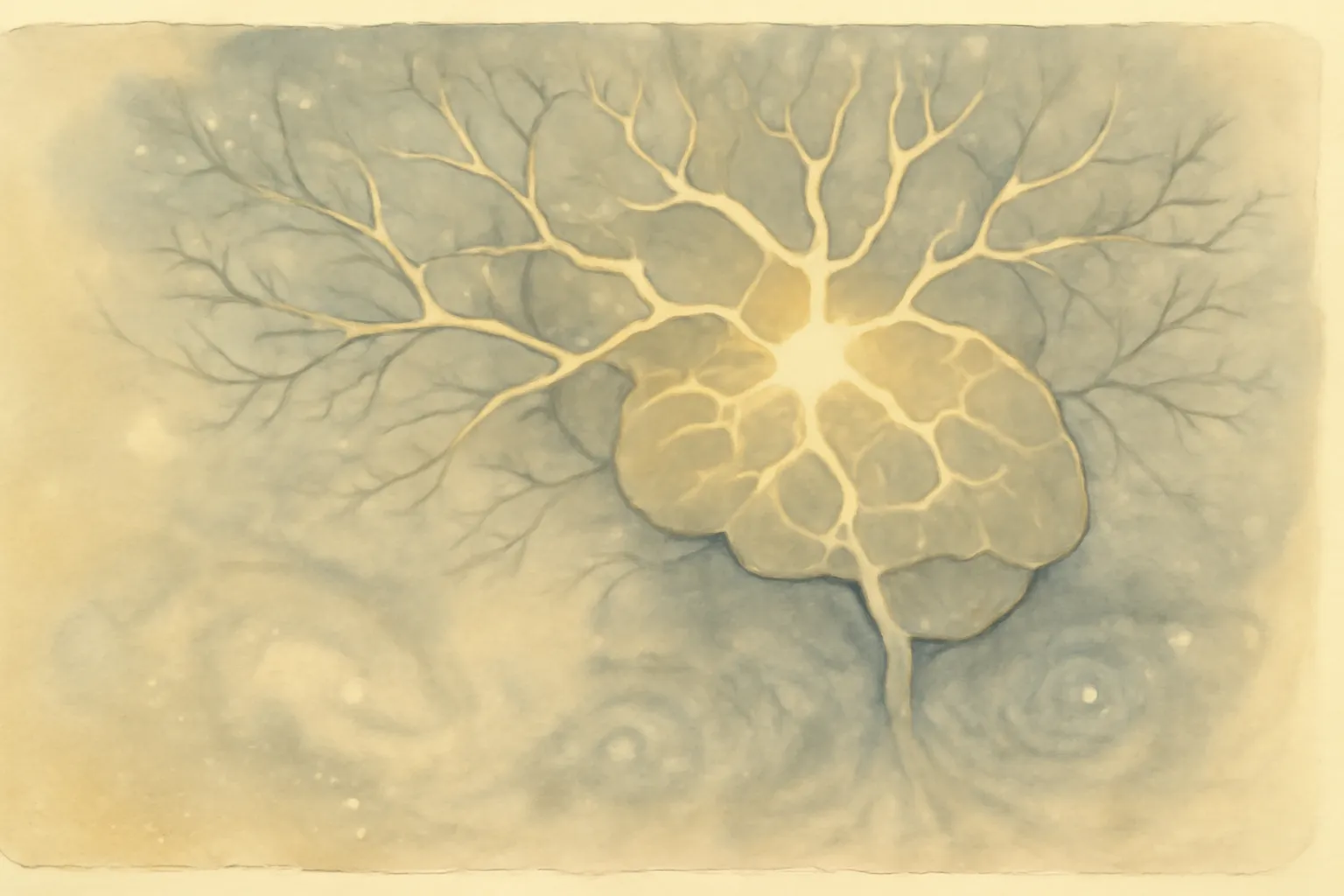
Spitzer challenges the classical view of the brain as a serial, symbol-processing computer. Instead, he advocates for understanding the brain as a massively parallel network, akin to artificial neural networks in computing. This shift is not just technical; it changes how we interpret memory, perception, and problem-solving. Rather than following fixed rules, the brain adapts, learns from patterns, and is shaped by experience. This network perspective helps explain the brain’s resilience, flexibility, and creativity—qualities that traditional computer models struggle to capture.
One of the central themes is that learning in both humans and machines is fundamentally about recognizing and internalizing patterns. Spitzer draws on neural network research to show how repeated exposure and feedback help brains form robust, flexible knowledge. This model explains why children, whose brains are highly plastic, learn languages and skills more rapidly than adults. It also suggests that effective education and rehabilitation should focus on rich, meaningful experiences rather than rote memorization.