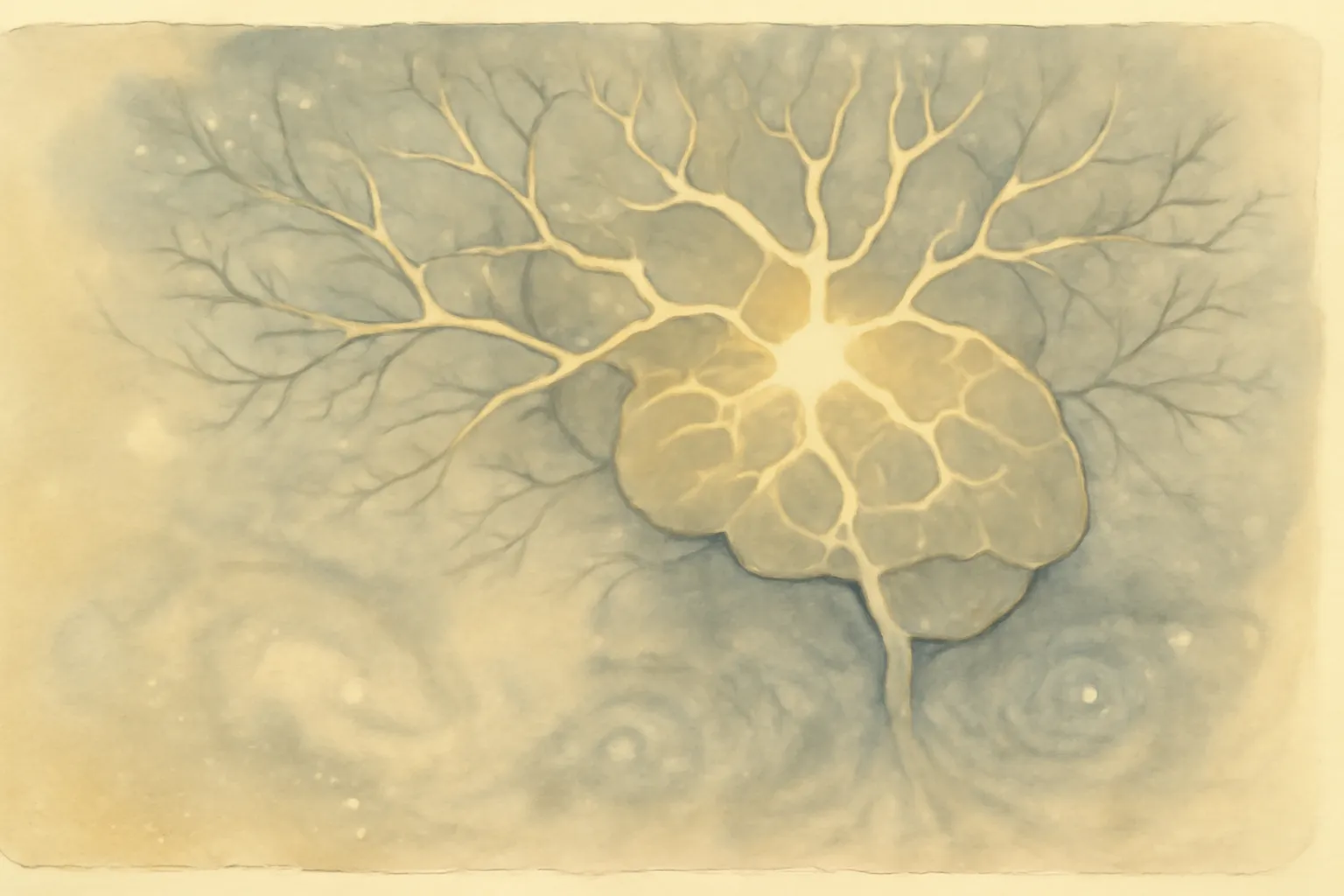
1.The Brain as a Network, Not a Computer
Spitzer challenges the classical view of the brain as a serial, symbol-processing computer. Instead, he advocates for understanding the brain as a massively parallel network, akin to artificial neural networks in computing. This shift is not just technical; it changes how we interpret memory, perception, and problem-solving. Rather than following fixed rules, the brain adapts, learns from patterns, and is shaped by experience. This network perspective helps explain the brain’s resilience, flexibility, and creativity—qualities that traditional computer models struggle to capture.
2.Learning as Pattern Recognition
One of the central themes is that learning in both humans and machines is fundamentally about recognizing and internalizing patterns. Spitzer draws on neural network research to show how repeated exposure and feedback help brains form robust, flexible knowledge. This model explains why children, whose brains are highly plastic, learn languages and skills more rapidly than adults. It also suggests that effective education and rehabilitation should focus on rich, meaningful experiences rather than rote memorization.
3.Creativity Emerges from Connection
Spitzer explores how creativity is not the product of a single 'genius' module, but rather emerges from the complex interplay of many simple units—neurons—interacting across the brain’s network. By modeling this in artificial neural networks, he shows how new ideas and solutions can arise from the recombination of existing knowledge, much like how the brain generates novel thoughts. This insight reframes creativity as a natural byproduct of a richly connected, adaptive system.
4.Implications for Mental Health and Disorders
Understanding the brain as a network has profound implications for mental health. Spitzer discusses how disorders such as depression or schizophrenia may result from disruptions in network connectivity or maladaptive learning. This perspective moves away from simplistic 'chemical imbalance' explanations and toward more nuanced models that account for the brain’s dynamic, self-organizing properties. It also opens new avenues for therapy, emphasizing the importance of environment, experience, and retraining neural pathways.
5.Rethinking Education and Social Policy
Spitzer argues that insights from neural network models should inform how we design schools, retirement homes, and even political systems. Since learning and adaptation are lifelong processes, environments should be stimulating, supportive, and tailored to individual needs. He critiques rigid, one-size-fits-all approaches and advocates for more flexible, experience-rich settings that harness the brain’s natural learning mechanisms.
6.Limits and Responsibilities of Brain Modeling
While optimistic about the promise of neural network models, Spitzer is careful to note their limitations. He cautions against over-simplifying the mind or reducing human experience to mere computation. The book invites readers to consider both the power and the ethical challenges of applying these models to real lives, especially in education, health, and policy.