
A poignant exploration of love, ambition, and the societal constraints that shape human relationships
Read full overviewShow less›
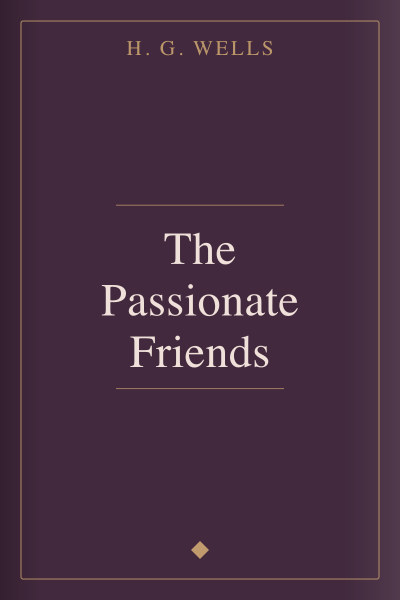
In 'The Passionate Friends,' H.G. Wells weaves a complex narrative that delves into the intricacies of love and the societal pressures that often dictate personal choices. Through the lens of the protagonist's reflections, the novel examines the interplay between ambition and desire, the evolution of relationships over time, and the eternal conflict between individual desires and societal expectations. Readers will find themselves drawn into a world where emotional depth and social commentary collide, prompting a deeper understanding of the human condition. The story invites contemplation on love's transformative power, the weight of personal history, and the often unacknowledged sacrifices made in the name of duty and societal norms.
In 'The Passionate Friends,' H.G. Wells masterfully intertwines themes of love, ambition, and societal constraints, creating a narrative that resonates with the complexities of the human experience. Through the protagonist's reflections, readers are invited to examine their own relationships, ambitions, and the societal expectations that shape them. The exploration of love's transformative power, the weight of personal history, and the sacrifices made in the name of duty serve as a poignant reminder of the intricate web of human connections. Ultimately, the novel challenges readers to confront the tensions between personal desires and societal norms, encouraging a deeper understanding of the human condition and the pursuit of authenticity in a world often marked by contradiction.
Ratings at a glance
- 1The Desire to Share One's Story
- 2The Impact of Illness on Relationships
- 3The Nature of Boyhood and Growth
- 4The Paradox of Social Conformity
- 5The Complexity of Romantic Relationships
Notable quotes
“The toil of writing and reconsideration may help to clear and fix many things that remain a little uncertain in my thoughts.”
“All law, all social order, all custom, is a patch-up and a concession to this separating passion of self-insistence.”
“Why should one have to tie oneself always to one other human being?”
A glimpse inside

The protagonist's journey begins with a compelling desire to articulate his life's experiences and thoughts as a legacy for his son. Read moreThe protagonist's journey begins with a compelling desire to articulate his life's experiences and thoughts as a legacy for his son. This yearning to document his life reflects a universal human impulse to make sense of one's existence and pass on wisdom to future generations. By articulating the motivations behind his writing, the protagonist reveals how personal history shapes identity. His reflections on his father's death and the desire to understand familial bonds underscore the significance of storytelling as a means of connecting across generations. The act of writing becomes not just a personal endeavor but a bridge to understanding the complexities of love, loss, and legacy. This desire to communicate one's experiences and insights to the next generation serves as a foundation for examining the broader themes of love and ambition in the narrative. Show less
The protagonist's contemplation of his father's decline due to illness serves as a powerful metaphor for the fragility of human connections. Read moreThe protagonist's contemplation of his father's decline due to illness serves as a powerful metaphor for the fragility of human connections. The once-vibrant relationship between father and son is overshadowed by the shadows of aging and decay, illustrating how illness can alter not just physical health but emotional landscapes as well. The transformation evokes a deep sense of loss, both for the loved one and for the relationship that can no longer exist as it once did. The protagonist's reflections highlight the unsettling reality that illness can create barriers in relationships, distancing individuals even as they remain physically present. This theme resonates with readers, reminding them of the complexities of caring for loved ones and the emotional toll of witnessing their decline. The protagonist's experience compels a deeper exploration of how illness can strip away the intimacy that once existed, leaving behind a hollow semblance of connection and challenging the ways we engage with those we love. Show less
Read the full text — free
About the author
H. G. Wells has 7 works free to read on Lumina, including Ann Veronica: A Modern Love Story, Tales of Space and Time, The Invisible Man