1.The Desire to Share One's Story
The protagonist's journey begins with a compelling desire to articulate his life's experiences and thoughts as a legacy for his son. This yearning to document his life reflects a universal human impulse to make sense of one's existence and pass on wisdom to future generations. By articulating the motivations behind his writing, the protagonist reveals how personal history shapes identity. His reflections on his father's death and the desire to understand familial bonds underscore the significance of storytelling as a means of connecting across generations. The act of writing becomes not just a personal endeavor but a bridge to understanding the complexities of love, loss, and legacy. This desire to communicate one's experiences and insights to the next generation serves as a foundation for examining the broader themes of love and ambition in the narrative.
2.The Impact of Illness on Relationships
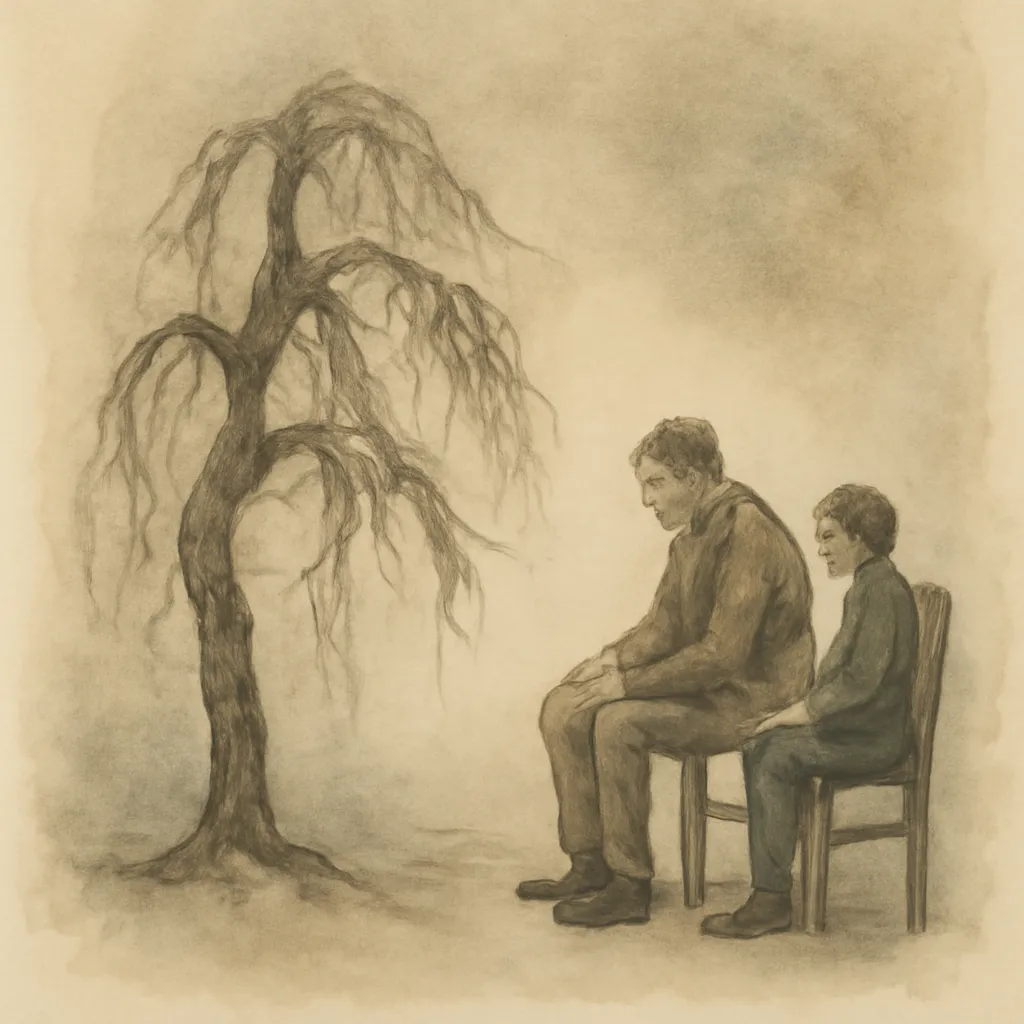
The protagonist's contemplation of his father's decline due to illness serves as a powerful metaphor for the fragility of human connections. The once-vibrant relationship between father and son is overshadowed by the shadows of aging and decay, illustrating how illness can alter not just physical health but emotional landscapes as well. The transformation evokes a deep sense of loss, both for the loved one and for the relationship that can no longer exist as it once did. The protagonist's reflections highlight the unsettling reality that illness can create barriers in relationships, distancing individuals even as they remain physically present. This theme resonates with readers, reminding them of the complexities of caring for loved ones and the emotional toll of witnessing their decline. The protagonist's experience compels a deeper exploration of how illness can strip away the intimacy that once existed, leaving behind a hollow semblance of connection and challenging the ways we engage with those we love.
3.The Nature of Boyhood and Growth
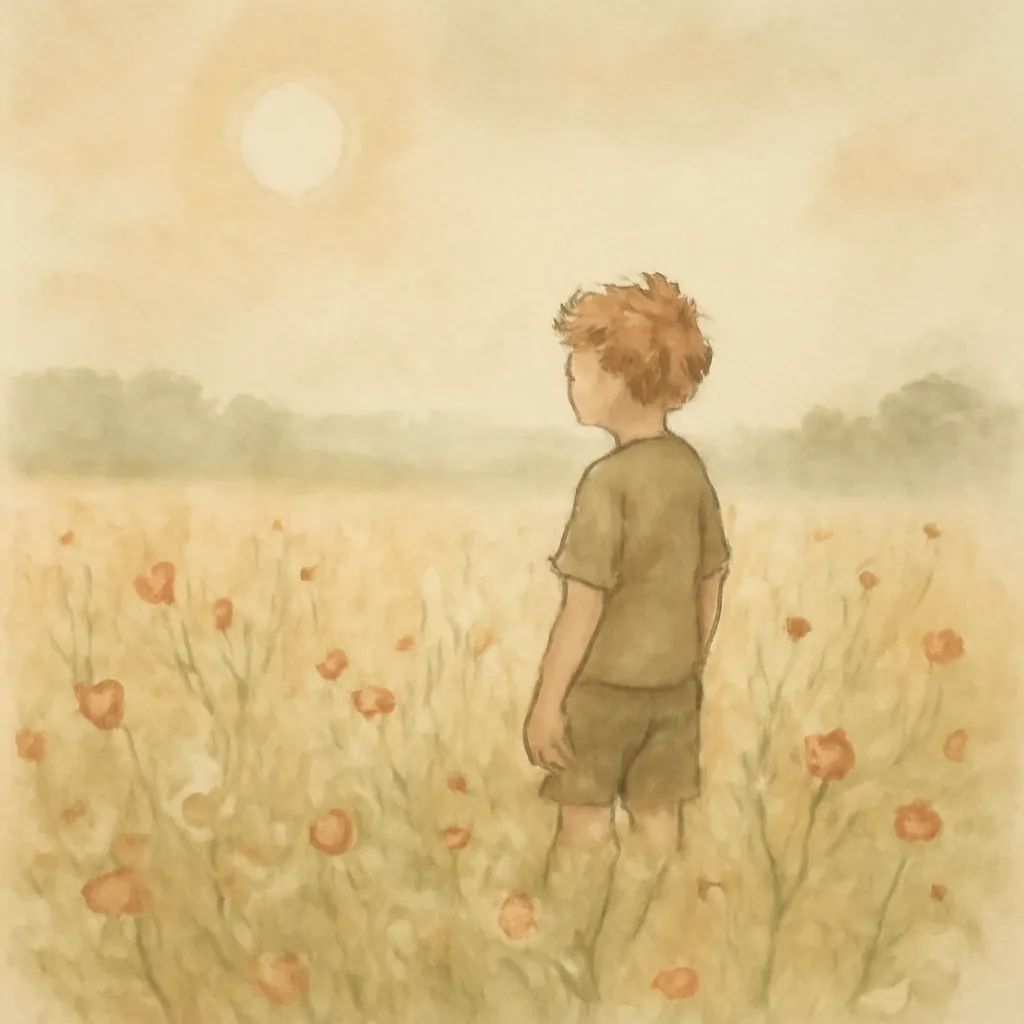
The protagonist's recollections of his boyhood in Harbury offer a nostalgic glimpse into the formative years of life. His education, relationships, and experiences shape his understanding of the world and his place within it. The contrast between the idyllic countryside of his youth and the complexities of adulthood creates a poignant backdrop for exploring themes of innocence and maturation. The protagonist's reflections on his relationships with figures like Mr. Siddons reveal the struggle between youthful idealism and the harsh realities of adult life. Wells captures the essence of boyhood as a time of exploration and discovery, where friendships are formed and ideals are shaped. Yet, as the protagonist transitions into adulthood, the weight of societal expectations and personal ambitions begins to overshadow those early dreams, creating a tension between who he was and who he is becoming. This exploration of boyhood serves as a reminder of how early experiences shape our perceptions and ambitions, influencing the paths we choose as we navigate the complexities of adulthood.
4.The Paradox of Social Conformity

Wells offers a critical lens on societal norms and the pressures to conform, suggesting that social order is often a mere façade that masks deeper tensions. The protagonist's musings on the nature of law and social customs reveal how these constructs serve to maintain a superficial harmony while stifling individuality. By presenting society as a truce rather than a true alliance, Wells challenges readers to consider the costs of conformity. The protagonist's struggle against these societal expectations highlights the tension between personal desire and the need for social acceptance. This exploration serves as a critique of the ways in which societal norms can suppress authentic connections and lead to feelings of isolation. The protagonist’s observation that human society is only a truce reflects the deep conflicts inherent in our interactions and choices. This theme encourages readers to reflect on their own experiences with societal expectations and the ways they navigate the delicate balance between conformity and individuality.
5.The Complexity of Romantic Relationships

The relationship between the protagonist and Lady Mary Christian exemplifies the intricacies of love and desire. Their shared history, marked by playful childhood interactions, evolves into a complex emotional landscape as they grapple with their feelings for one another. The protagonist's longing for a deep, committed relationship clashes with Mary's desire for independence, creating a poignant tension that underscores the challenges of romantic love. Their conversations reveal a profound understanding of each other's desires and fears, yet they remain trapped by societal expectations and personal ambitions. Mary’s insistence on maintaining her autonomy reflects a broader conversation about women's roles during the period, challenging the traditional notions of marriage and partnership. This complexity invites readers to reflect on their own romantic experiences and the ways in which love can be both liberating and constraining, leaving individuals to navigate the conflicting desires for connection and independence.
6.Ambition and Public Service
The protagonist's aspirations for a career in public service reflect a broader societal expectation of contributing to the common good. His dreams of making a difference in the world are tempered by the realization that such ambitions can often come at a personal cost. The narrative explores the tension between individual desires and the responsibilities that come with ambition, suggesting that the pursuit of greatness can lead to disillusionment. The protagonist's reflections on his ambitions prompt readers to consider their own motivations and the sacrifices made in the name of duty. Wells illustrates how the weight of ambition can create a chasm between personal relationships and professional pursuits. This tension is particularly evident in the protagonist’s interactions with Mary, where their differing aspirations challenge their connection, ultimately inviting readers to contemplate the nature of ambition and its impact on personal fulfillment.
7.The Role of Women in Society

Wells delves into the societal constraints faced by women, particularly through the character of Lady Mary. Her struggle for autonomy and self-definition highlights the limited roles available to women in a patriarchal society. Mary's assertion of her desire for independence challenges traditional notions of femininity and marriage, prompting a broader discussion about women's rights and societal expectations. The narrative critiques the ways in which women's identities are often defined by their relationships to men, raising questions about agency and fulfillment. This exploration of gender dynamics encourages readers to reflect on the evolving roles of women in society and the ongoing struggle for equality. Wells shines a light on the internal conflicts faced by women, who often must navigate the expectations placed upon them while striving for personal authenticity. This dialogue on gender roles remains relevant today, inviting continued reflection on how societal structures impact individual agency and relationships.
8.The Illusion of Freedom

The protagonist's longing for a genuine connection with Mary is complicated by the constraints of societal expectations and personal ambitions. Their relationship is marked by a paradoxical tension: while they both desire intimacy and connection, they are also bound by the fear of losing their individual identities. Mary's reluctance to commit to a traditional marriage reflects a broader critique of the societal norms that dictate personal relationships. This exploration of the illusion of freedom within romantic relationships prompts readers to consider the ways in which societal expectations can shape individual choices and the sacrifices made for love. The narrative serves as a poignant reminder that true intimacy can only flourish in an environment of trust and openness. The protagonist’s reflections on this illusion of freedom reveal how societal conventions can trap individuals, making them question the authenticity of their connections and the true nature of their desires.
9.The Burden of Secrets

The theme of secrecy weaves through the narrative, highlighting the emotional toll of hidden desires and unfulfilled ambitions. The protagonist’s internal struggle with his feelings for Mary and the societal pressures to conform create a sense of tension that permeates their relationship. The burden of keeping secrets not only strains their connection but also impacts their individual lives, leading to feelings of isolation and despair. The narrative illustrates how unspoken truths can fester and create barriers between individuals, urging readers to reflect on the importance of honesty and transparency in relationships. This exploration of secrecy serves as a reminder that true intimacy can only flourish in an environment of trust and openness. The protagonist's experience with secrecy illustrates the broader societal context in which individuals often feel compelled to hide their true selves, ultimately prompting an examination of the social constructs that inhibit genuine connection.
10.The Quest for Identity
Throughout the narrative, the protagonist grapples with questions of identity and self-worth. His reflections on past relationships, particularly with Mary, reveal a deep-seated desire to understand his place in the world and the impact of his choices. This quest for identity is compounded by societal expectations and the weight of familial legacy, creating a complex emotional landscape. The protagonist's journey is not just about romantic love but also about self-discovery and understanding the forces that shape his identity. By examining the intersection of personal and societal influences, Wells invites readers to consider their own journeys of self-exploration and the ongoing quest for authenticity. This exploration of identity resonates deeply with readers, as it underscores the universal struggle to reconcile personal aspirations with societal demands, ultimately prompting a reflection on what it means to truly know oneself in a complex world.