
In a quiet town, the complexities of duty, love, and societal expectation intertwine as a young curate navigates the delicate balance between personal desire and public responsibility
Read full overviewShow less›
Mrs. Oliphant's 'The Perpetual Curate' offers a nuanced exploration of life in the small town of Carlingford, where the intertwining lives of its residents reflect broader themes of duty, societal scrutiny, and the quest for personal happiness. Through the character of Mr. Wentworth, a young curate, the narrative delves into the challenges of navigating personal aspirations against the backdrop of communal expectations. The novel artfully portrays the dynamics of relationships, both romantic and familial, while addressing the pressures faced by those in positions of authority within the church. Readers will gain insight into the complexities of human emotion and the often unspoken tensions that arise from social conventions, making this work a rich tapestry of Victorian life and morality.
Mrs. Oliphant’s 'The Perpetual Curate' serves as a poignant reflection on the intricacies of human relationships, the weight of societal expectations, and the quest for personal fulfillment. Through the character of Mr. Wentworth, readers are invited to contemplate the challenges faced by individuals striving to balance their aspirations with the demands of their communities and families. The novel’s exploration of love, duty, and identity resonates with timeless relevance, reminding us that the pursuit of happiness often requires navigating complex emotional landscapes. Ultimately, Oliphant crafts a narrative that captures the essence of Victorian society while delving into the universal themes of human connection and the search for meaning in a world that can be both beautiful and confining.
Ratings at a glance
- 1The Role of the Clergy in Society
- 2The Weight of Social Expectations
- 3The Complexity of Romantic Relationships
- 4The Influence of Family Dynamics
- 5The Struggle Between Idealism and Reality
Notable quotes
“It is the boast of the place that it has no particular interest—not even a public school.”
“Somehow this touch of necessity and business seems needful even in the most refined society.”
“The air was thundery and ominous through all the solemn days of the Holy Week.”
A glimpse inside

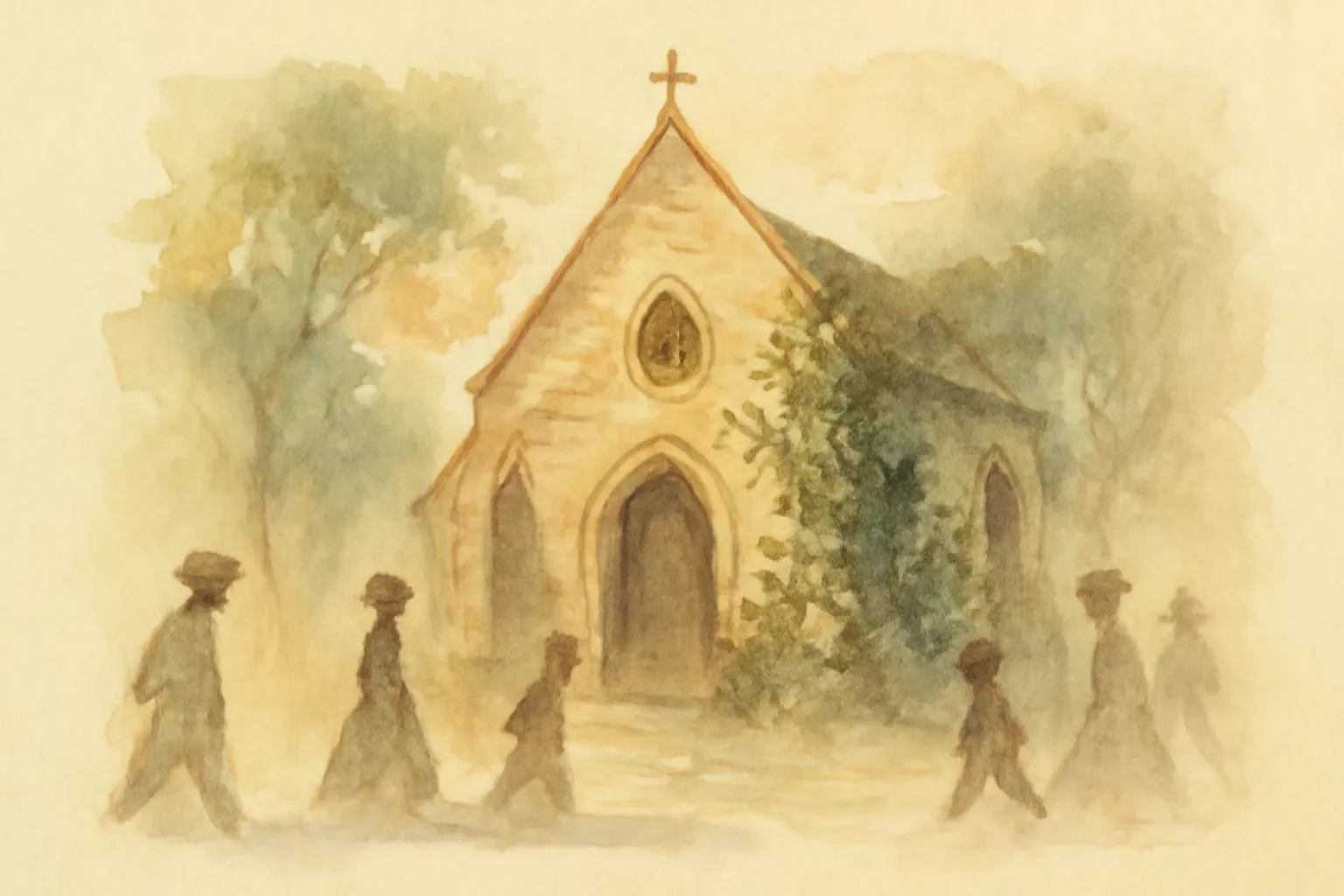
In Carlingford, the clergy serve as the backbone of the community, providing structure and a sense of purpose to an otherwise leisurely society. Mr. Read moreIn Carlingford, the clergy serve as the backbone of the community, providing structure and a sense of purpose to an otherwise leisurely society. Mr. Wentworth, the Perpetual Curate, embodies this role as he navigates the expectations placed upon him by both his parishioners and his own ambitions. The novel highlights how the clergy's responsibilities are not merely ceremonial but deeply intertwined with the social fabric of the town. For instance, the way the community revolves around the church and its teachings illustrates the necessity of having a central figure to whom people can turn for guidance and moral clarity. This portrayal emphasizes the tension between personal desires and public duties, as Mr. Wentworth struggles to fulfill his obligations while grappling with his growing affections for Lucy Wodehouse. The clergy's influence is depicted as a double-edged sword, capable of both uniting and dividing the community based on individual interpretations of faith and duty. Show less
The characters in 'The Perpetual Curate' are constantly under the watchful eyes of their peers, leading to a pervasive atmosphere of scrutiny and judgment. Mr. Read moreThe characters in 'The Perpetual Curate' are constantly under the watchful eyes of their peers, leading to a pervasive atmosphere of scrutiny and judgment. Mr. Wentworth's actions and decisions are not only influenced by his personal convictions but also by the expectations of the town's gentry. This societal pressure is evident in the way the townsfolk discuss his relationship with Lucy, speculating on the nature of their connection and the implications it holds for both their reputations. The novel illustrates how these expectations can stifle genuine emotion and lead to misunderstandings, as characters navigate their roles within the rigid social hierarchy. For example, Mr. Wentworth's hesitance to express his feelings for Lucy is compounded by the fear of gossip and the potential fallout from their union. Ultimately, the story reveals how societal norms can dictate personal behavior, often to the detriment of individual happiness and authenticity. Show less
Read the full text — free
About the author
Mrs. Oliphant has 2 works free to read on Lumina, including Royal Edinburgh: Her Saints, Kings, Prophets and Poets
All 2 books by Mrs. Oliphant →