1.The Role of the Clergy in Society
In Carlingford, the clergy serve as the backbone of the community, providing structure and a sense of purpose to an otherwise leisurely society. Mr. Wentworth, the Perpetual Curate, embodies this role as he navigates the expectations placed upon him by both his parishioners and his own ambitions. The novel highlights how the clergy's responsibilities are not merely ceremonial but deeply intertwined with the social fabric of the town. For instance, the way the community revolves around the church and its teachings illustrates the necessity of having a central figure to whom people can turn for guidance and moral clarity. This portrayal emphasizes the tension between personal desires and public duties, as Mr. Wentworth struggles to fulfill his obligations while grappling with his growing affections for Lucy Wodehouse. The clergy's influence is depicted as a double-edged sword, capable of both uniting and dividing the community based on individual interpretations of faith and duty.
2.The Weight of Social Expectations
The characters in 'The Perpetual Curate' are constantly under the watchful eyes of their peers, leading to a pervasive atmosphere of scrutiny and judgment. Mr. Wentworth's actions and decisions are not only influenced by his personal convictions but also by the expectations of the town's gentry. This societal pressure is evident in the way the townsfolk discuss his relationship with Lucy, speculating on the nature of their connection and the implications it holds for both their reputations. The novel illustrates how these expectations can stifle genuine emotion and lead to misunderstandings, as characters navigate their roles within the rigid social hierarchy. For example, Mr. Wentworth's hesitance to express his feelings for Lucy is compounded by the fear of gossip and the potential fallout from their union. Ultimately, the story reveals how societal norms can dictate personal behavior, often to the detriment of individual happiness and authenticity.
3.The Complexity of Romantic Relationships
At the heart of 'The Perpetual Curate' lies the intricate romantic tension between Mr. Wentworth and Lucy Wodehouse. Their relationship is characterized by a blend of unspoken attraction and societal constraints, which creates a compelling narrative of longing and hesitation. Mr. Wentworth's internal conflict is palpable as he grapples with his duties as a curate while simultaneously yearning for a deeper connection with Lucy. The story captures the nuances of their interactions, from stolen glances to hesitant conversations, illustrating how love can flourish even amidst the constraints of propriety. Lucy's own feelings are complicated by her awareness of societal expectations and her family's opinions, adding layers to their relationship. This exploration of love highlights the often contradictory nature of human emotions, revealing how desire can be both a source of joy and a catalyst for personal turmoil.
4.The Influence of Family Dynamics
Family plays a pivotal role in shaping the characters' lives and decisions throughout 'The Perpetual Curate.' The Wentworth family, particularly the aunts, exert a significant influence on Mr. Wentworth's choices, often embodying the societal expectations that he struggles to navigate. Miss Leonora, with her iron-grey demeanor, represents the traditional values that both support and constrain Mr. Wentworth, while Miss Dora's more sympathetic nature highlights the emotional stakes involved in familial relationships. Their discussions about Mr. Wentworth's responsibilities and aspirations reveal the tension between personal ambition and familial loyalty. The dynamics between the characters serve as a microcosm of the broader societal pressures that dictate behavior and choices. As Mr. Wentworth contemplates his future, the expectations of his family weigh heavily on him, illustrating how familial ties can both nurture and hinder individual growth.
5.The Struggle Between Idealism and Reality
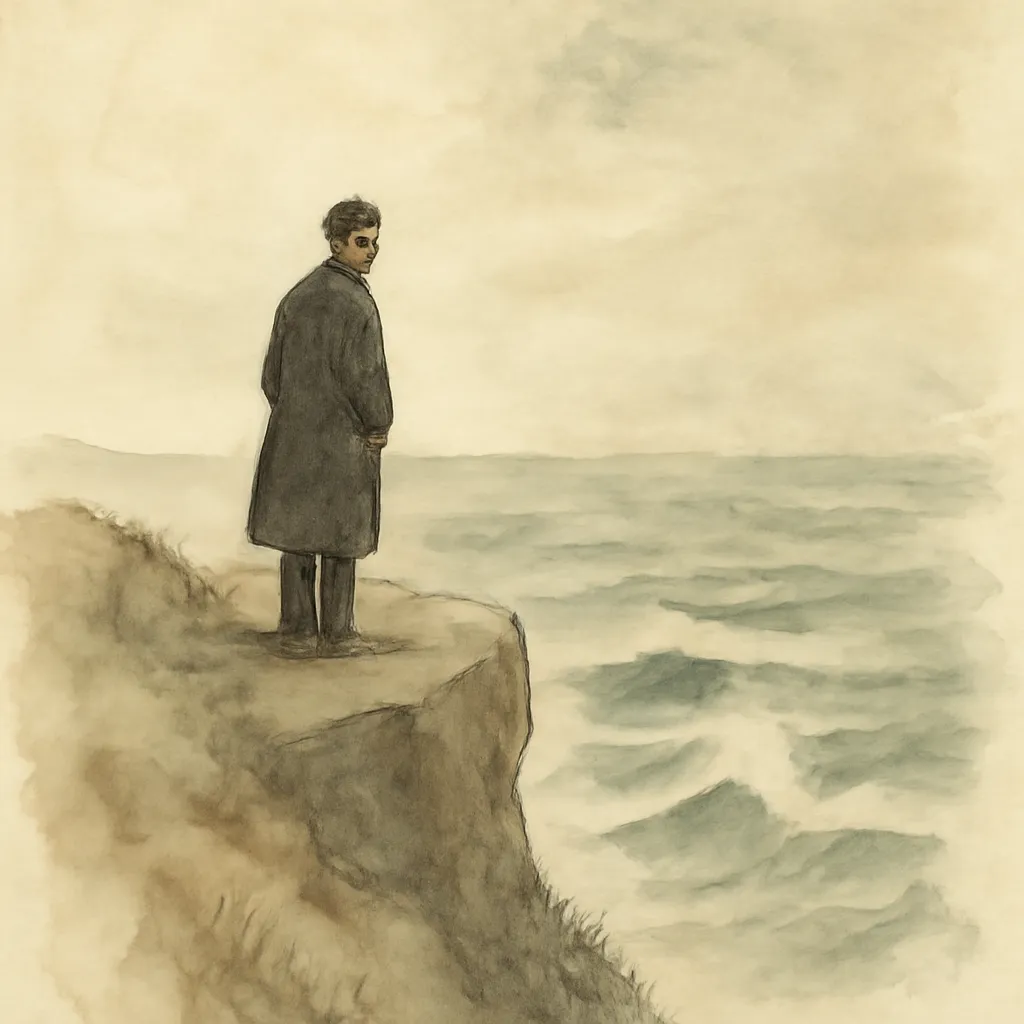
Mr. Wentworth's journey in 'The Perpetual Curate' is marked by a constant struggle between his idealistic aspirations and the harsh realities of life in Carlingford. His vision of what it means to be a curate is often at odds with the practicalities of his role, leading to moments of frustration and self-doubt. For instance, his desire to serve the community and make a meaningful impact clashes with the mundane tasks and social obligations that occupy much of his time. This tension is further exacerbated by his feelings for Lucy, as he seeks to balance his professional duties with his personal desires. The novel poignantly illustrates how the pursuit of idealism can lead to disillusionment when confronted with the complexities of human relationships and societal expectations. Mr. Wentworth's internal battles reflect a broader commentary on the challenges faced by individuals striving for authenticity in a world that often prioritizes conformity.
6.The Interplay of Faith and Doubt
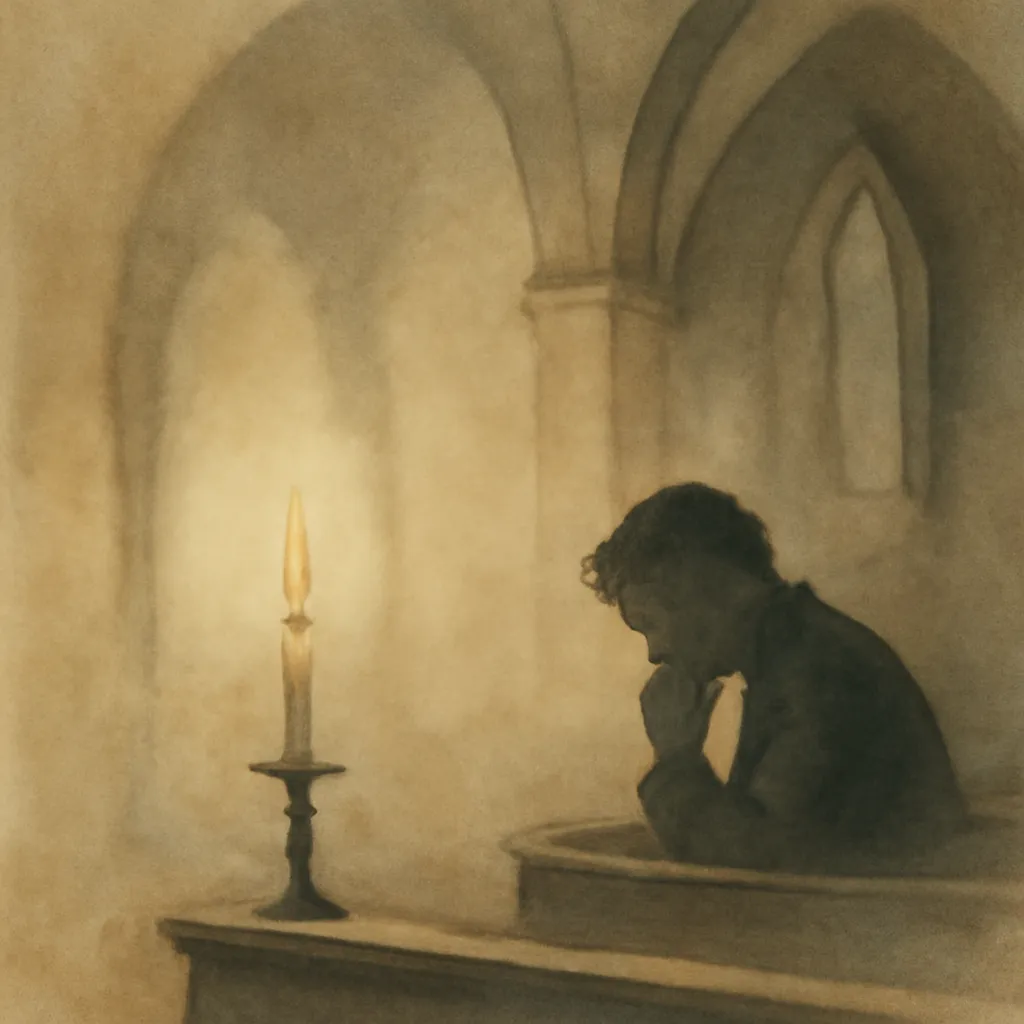
Religion and its implications are central themes in 'The Perpetual Curate,' as Mr. Wentworth grapples with his faith amidst the challenges he faces. The novel delves into the complexities of religious duty, exploring how Mr. Wentworth's role as a curate influences his understanding of spirituality and morality. His sermons, while crafted with care, often reflect his internal struggles, as he questions the effectiveness of his teachings in the face of personal dilemmas. The tension between his public persona as a religious leader and his private doubts creates a rich narrative that examines the human condition. For example, during Easter Sunday, Mr. Wentworth's sermon is laced with a sense of bitterness, as he recognizes the limitations of his role in conveying deeper spiritual truths. This interplay of faith and doubt highlights the challenges faced by those in religious positions, revealing the profound impact of personal struggles on one's ability to fulfill their calling.
7.The Role of Gossip and Reputation
Gossip serves as a powerful force in 'The Perpetual Curate,' shaping the characters' perceptions and influencing their actions. The town of Carlingford is rife with speculation, and Mr. Wentworth's every move is scrutinized, creating a climate of tension and anxiety. The way the townspeople discuss his relationship with Lucy exemplifies how gossip can distort reality and create misunderstandings. For instance, when Mr. Wodehouse expresses his concerns about the rumors surrounding his daughter and the curate, it underscores the pervasive impact of public opinion on personal lives. The novel illustrates how reputation can be both a protective shield and a source of vulnerability, as characters navigate the precarious balance between societal expectations and their true selves. This exploration of gossip reveals the intricate ways in which community dynamics can shape individual experiences, often leading to unintended consequences.
8.The Importance of Community Engagement

Community engagement is a recurring theme in 'The Perpetual Curate,' as Mr. Wentworth seeks to connect with the diverse inhabitants of Carlingford. His efforts to reach out to the less fortunate, such as the residents of Wharfside, highlight his commitment to serving those in need. The interactions he has with various members of the community, from the affluent to the impoverished, reflect the complexities of social class and the challenges of fostering genuine connections across divides. Mr. Wentworth's dedication to his parishioners is evident in his willingness to invest time and effort into understanding their struggles and aspirations. This emphasis on community underscores the idea that true fulfillment comes from meaningful relationships and a sense of belonging. However, the novel also illustrates the difficulties of bridging gaps between different social strata, as Mr. Wentworth navigates the complexities of his role as a spiritual leader in a town marked by class distinctions.
9.The Quest for Personal Identity
Throughout 'The Perpetual Curate,' Mr. Wentworth embarks on a quest for personal identity, grappling with the expectations imposed upon him by society, family, and the church. His journey reflects a broader theme of self-discovery, as he navigates the complexities of his role as a curate while yearning for authenticity in his personal life. The pressures of duty often clash with his desires, leading to moments of introspection and doubt. For instance, as he contemplates his relationship with Lucy, he must confront the implications of pursuing love in a context fraught with societal scrutiny. This quest for identity is further complicated by the expectations of his family, particularly his aunts, who embody the traditional values that both support and constrain him. Ultimately, the novel portrays the struggle for self-definition as a universal human experience, emphasizing the importance of reconciling personal aspirations with external pressures.