Women · Sex · Feminism
The Second Sex by Simone de Beauvoir — Summary, Key Ideas & Quotes
1949728 pages✦ 3-min Big ideas★ 4.1 (18)
Rate it
The Second Sex (French: *Le Deuxième Sexe*) is a 1949 book by the French existentialist philosopher Simone de Beauvoir, in which the author discusses the treatment of women throughout history. Beauvoir researched and wrote the book in about 14 months between 1946 and 1949. She published the work in two volumes: *Facts and Myths* (*Les faits et les mythes*), and *Lived Experience* (*L’expérience vécue*). Some chapters first appeared in the journal *Les Temps modernes*. One of Beauvoir’s best-known books, *The Second Sex* is often regarded as a major work of feminist philosophy, and as the starting inspiration point of second-wave feminism.
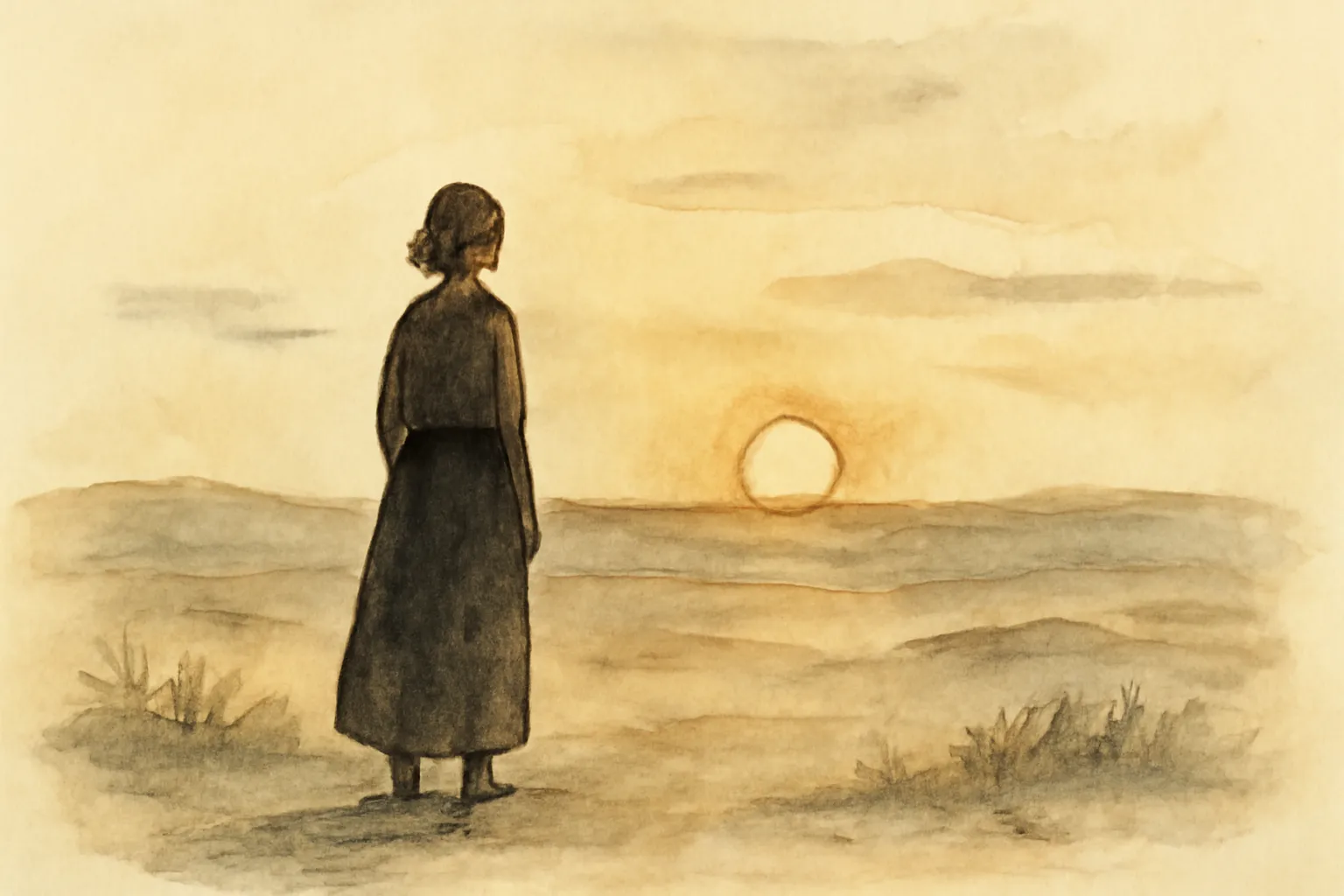
Beauvoir famously argues that women have been defined not as autonomous beings, but as 'the Other'—the negative or secondary to man’s positive, primary status. This othering is not a biological inevitability, but a product of social, historical, and philosophical forces that have positioned men as the default human experience. By exposing how women’s identities have been constructed in opposition to men, Beauvoir invites readers to question the foundations of gender roles and hierarchy.
A core insight of the book is that many beliefs about femininity are myths—narratives built by society to justify women’s subordinate position. Beauvoir dissects religious, literary, and philosophical traditions to show how they perpetuate stereotypes and limit women’s possibilities. She insists that what is considered 'feminine' is not innate, but shaped by culture, education, and expectation.
“One is not born, but rather becomes, a woman.”
“Representation of the world, like the world itself, is the work of men; they describe it from their own point of view, which they confuse with absolute truth.”
“All oppression creates a state of war.”