1.Woman as 'the Other'
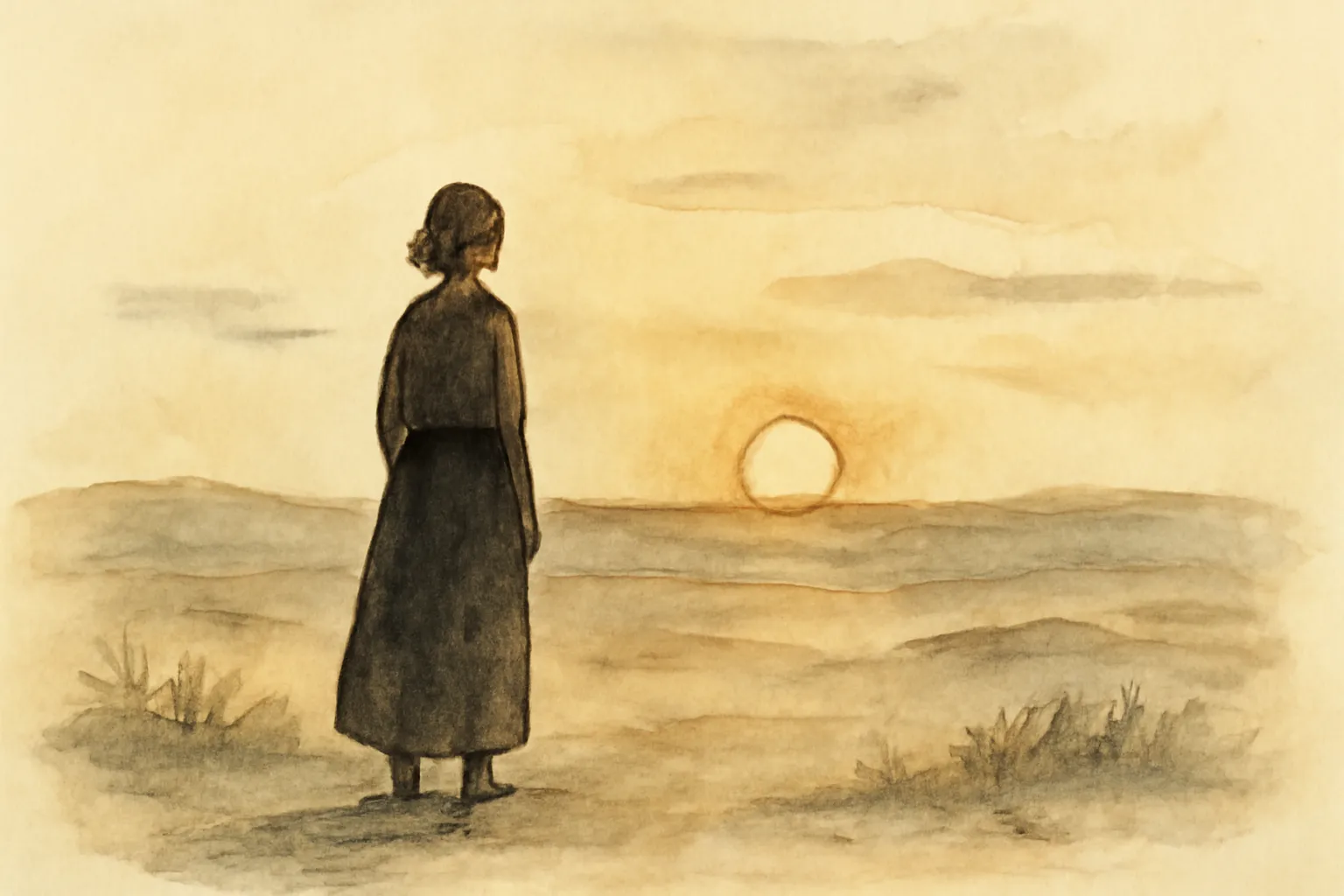
Beauvoir famously argues that women have been defined not as autonomous beings, but as 'the Other'—the negative or secondary to man’s positive, primary status. This othering is not a biological inevitability, but a product of social, historical, and philosophical forces that have positioned men as the default human experience. By exposing how women’s identities have been constructed in opposition to men, Beauvoir invites readers to question the foundations of gender roles and hierarchy.
2.Myth and Social Construction
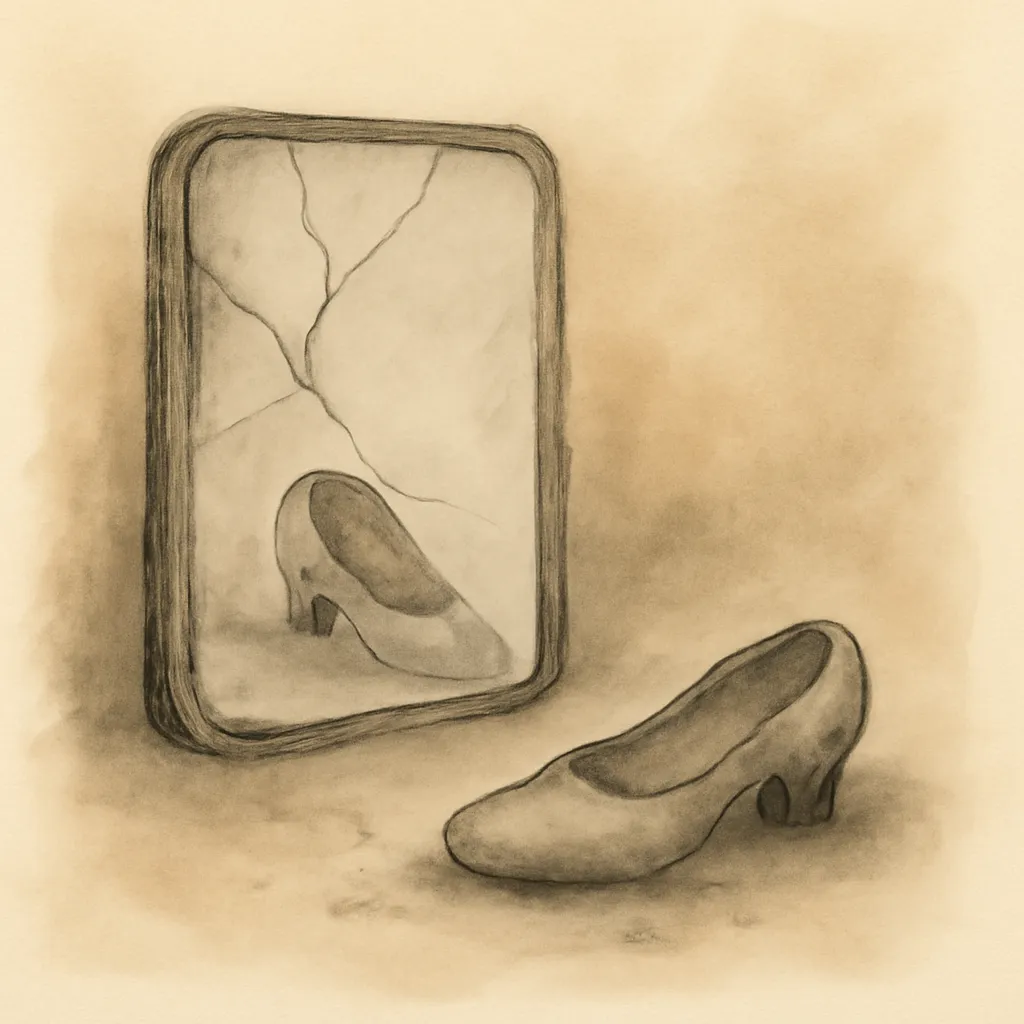
A core insight of the book is that many beliefs about femininity are myths—narratives built by society to justify women’s subordinate position. Beauvoir dissects religious, literary, and philosophical traditions to show how they perpetuate stereotypes and limit women’s possibilities. She insists that what is considered 'feminine' is not innate, but shaped by culture, education, and expectation.
3.The Lived Experience of Women
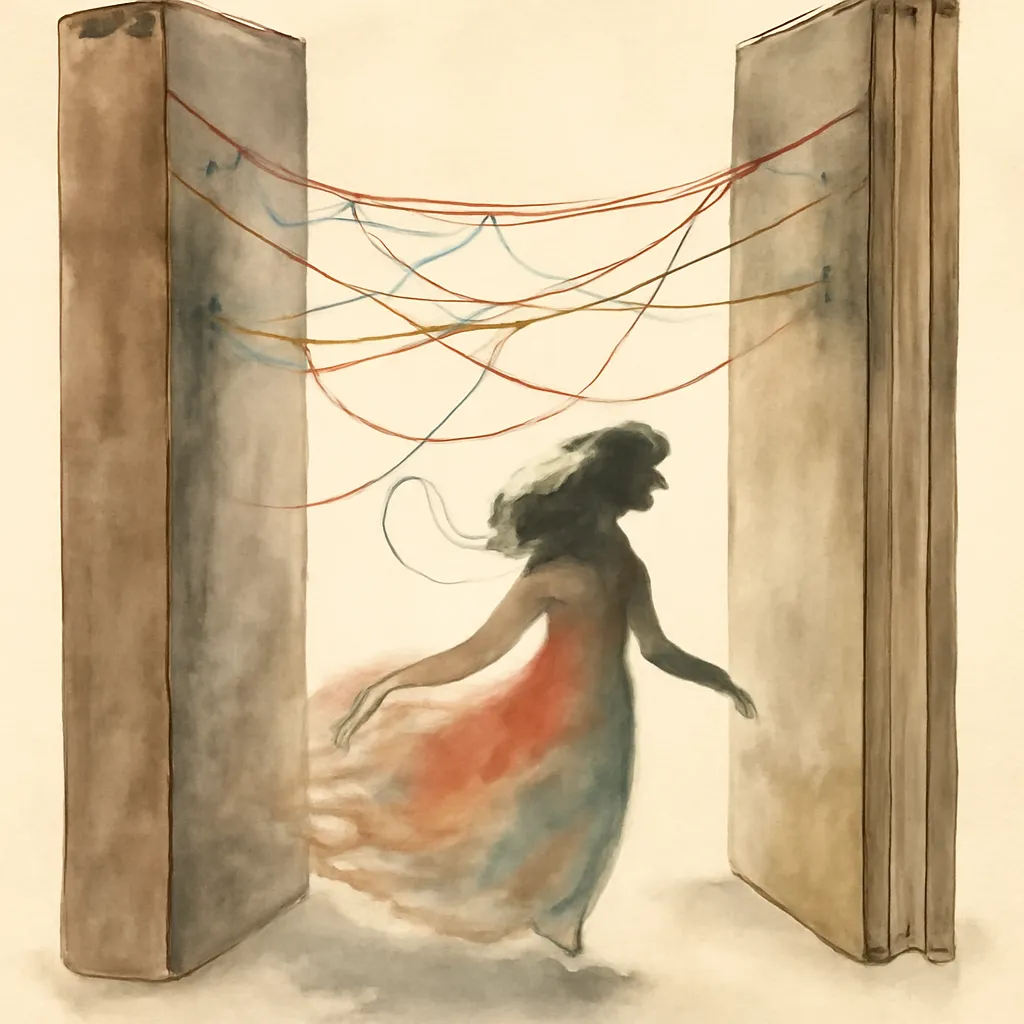
In the second volume, Beauvoir shifts from theory to the lived realities of women, analyzing childhood, sexuality, motherhood, work, and aging. She demonstrates how socialization, economic dependence, and sexual politics constrain women’s freedom at every stage of life. Her detailed examination reveals both the diversity and the commonality of women’s experiences under patriarchy.
4.Freedom, Ambiguity, and Existentialism
Drawing on existentialist philosophy, Beauvoir argues that women, like men, are fundamentally free and responsible for creating meaning in their lives. However, social structures often deny women the opportunity to exercise this freedom. She calls for women to embrace their subjectivity, reject passive roles, and assert themselves as agents of their own destiny.
5.The Path to Liberation
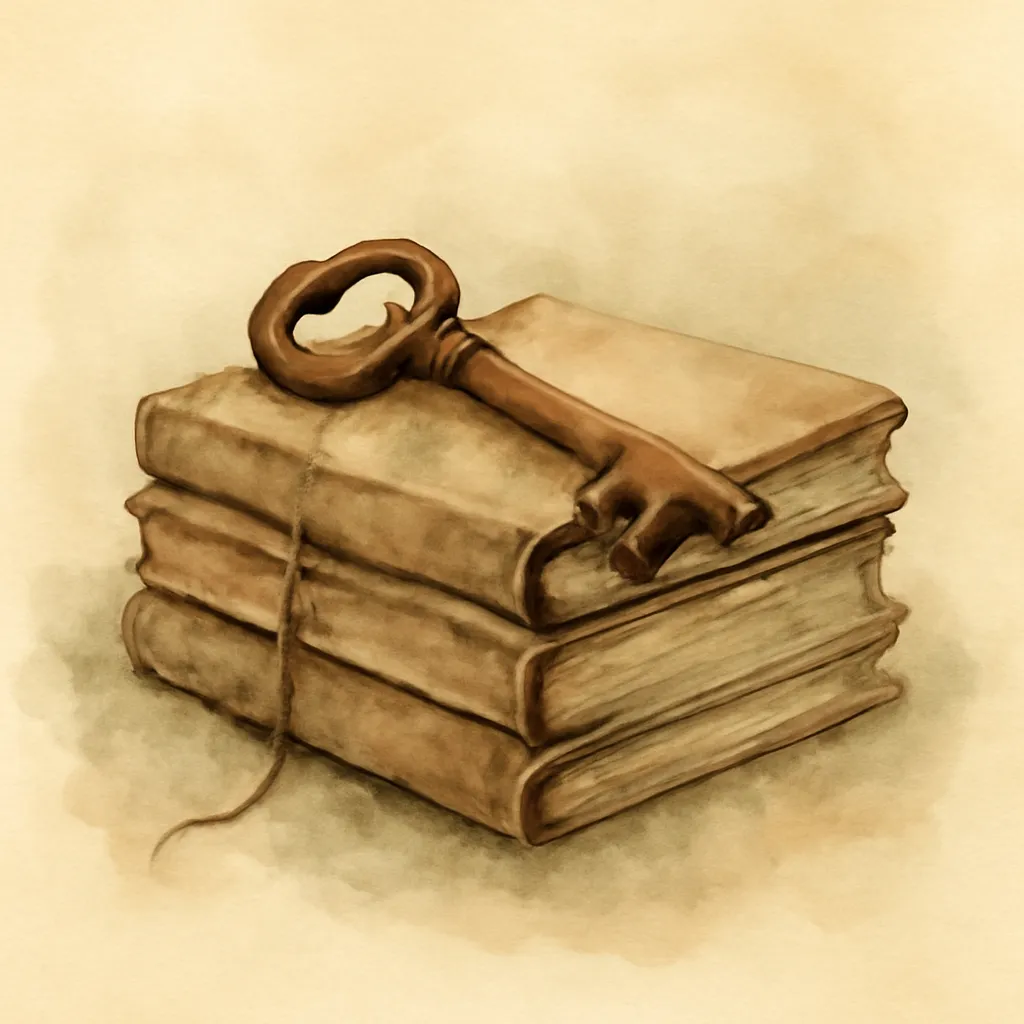
Beauvoir does not offer simple solutions, but she insists that women’s liberation requires both individual and collective transformation. Economic independence, solidarity among women, and the dismantling of oppressive myths are essential steps. Ultimately, she envisions a world where gender no longer dictates destiny, and both women and men can realize their full humanity.