Fiction, psychological · Fiction, thrillers · London (england), fiction
The Silent Patient by Alex Michaelides — Summary, Key Ideas & Quotes
2018352 pages✦ 3-min Big ideas★ 4.0 (204)
Rate it
\ Alicia Berenson’s life is seemingly perfect. One evening her husband Gabriel returns home late from a fashion shoot, and Alicia shoots him five times in the face, and then never speaks another word. Alicia’s refusal to talk, or give any kind of explanation, turns a domestic tragedy into something far grander, a mystery that captures the public imagination and casts Alicia into notoriety. The price of her art skyrockets, and she, the silent patient, is hidden away from the tabloids and spotlight at the Grove, a secure forensic unit in North London. Theo Faber is a criminal psychotherapist who has waited a long time for the opportunity to work with Alicia. His determination to get her to talk and unravel the mystery of why she shot her husband takes him down a twisting path into his own motivations–a search for the truth that threatens to consume him.
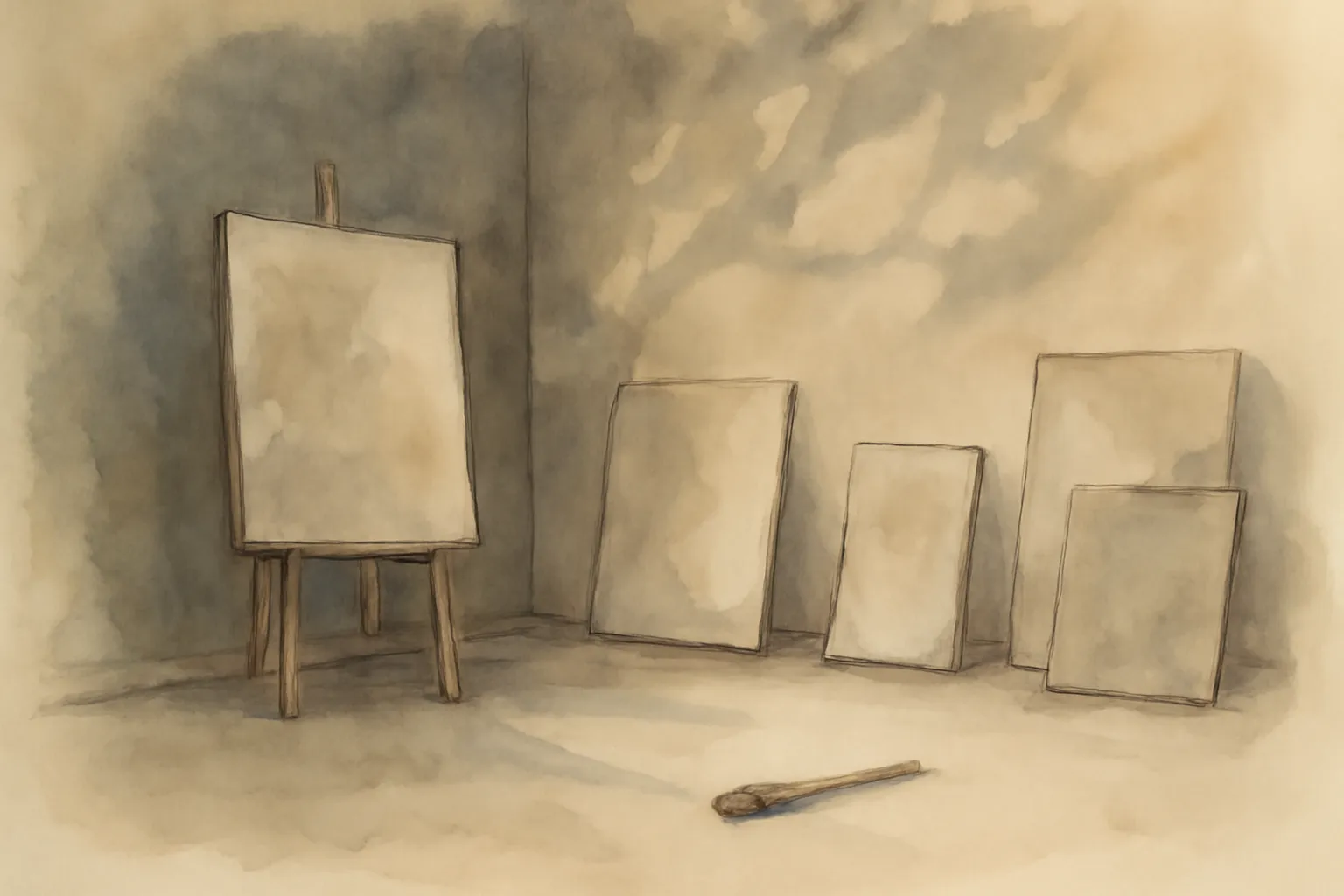
Alicia Berenson’s refusal to speak after her husband’s murder is more than a plot device—it’s a central symbol. Her silence becomes a canvas onto which others project their fears, theories, and desires. The book explores how silence can be a form of communication, resistance, or self-protection, and how it can be both infuriating and compelling for those seeking the truth. Alicia’s muteness challenges the people around her, especially Theo, to confront their own assumptions and obsessions.
The novel is structured around the first-person account of Theo Faber, the psychotherapist determined to reach Alicia. As he investigates Alicia’s past and the circumstances of the murder, readers are led to trust his perspective—until the narrative itself is upended. Michaelides plays with the idea that everyone, including the narrator, has secrets and blind spots. The story’s major twist hinges on what is left unsaid and how easily truth can be manipulated by perspective.
“We are all possessed by the things we hide.”
“Unexpressed emotions will never die. They are buried alive and will come forth later, in uglier ways.”