

Sleep-wake cycle · Memory disorders · Fiction
Before I Go to Sleep by S.J. Watson — Summary, Key Ideas & Quotes
2011368 pages✦ 3-min Big ideas★ 4.1 (10)
Rate it
it's good
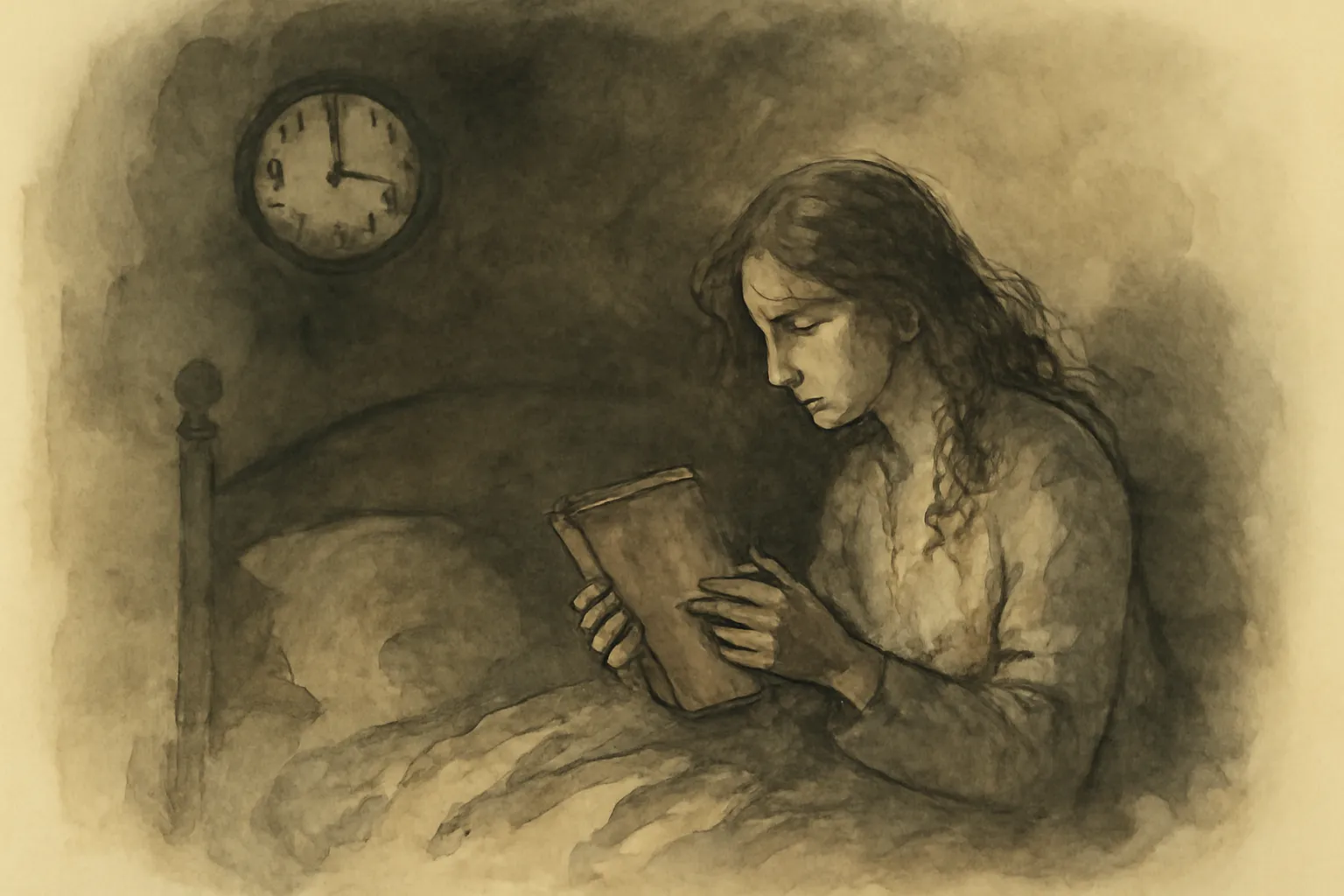
The novel’s protagonist, Christine Lucas, wakes each day with no memory of her life beyond her early twenties. This condition makes her the ultimate unreliable narrator—not by choice, but by neurological necessity. The narrative structure, told through Christine’s journal entries, forces readers to question the veracity of every detail and to experience her disorientation firsthand. Watson uses this device to immerse readers in the terror and vulnerability that come from not knowing one’s own past, making the story as much about the search for identity as about solving a mystery.
Memory, in Watson’s novel, is not just a personal record but a contested space. Christine’s amnesia is both a medical condition and a metaphor for the ways people can be manipulated when their grasp on reality is tenuous. The book explores how others—loved ones, caretakers, even supposed allies—can shape, distort, or erase our memories for their own ends. This theme raises unsettling questions about trust, autonomy, and the vulnerability that comes with dependency.
“What are we, if not an accumulation of our memories?”
“I am determined to remember. I will write everything down.”