1.The Unreliable Self
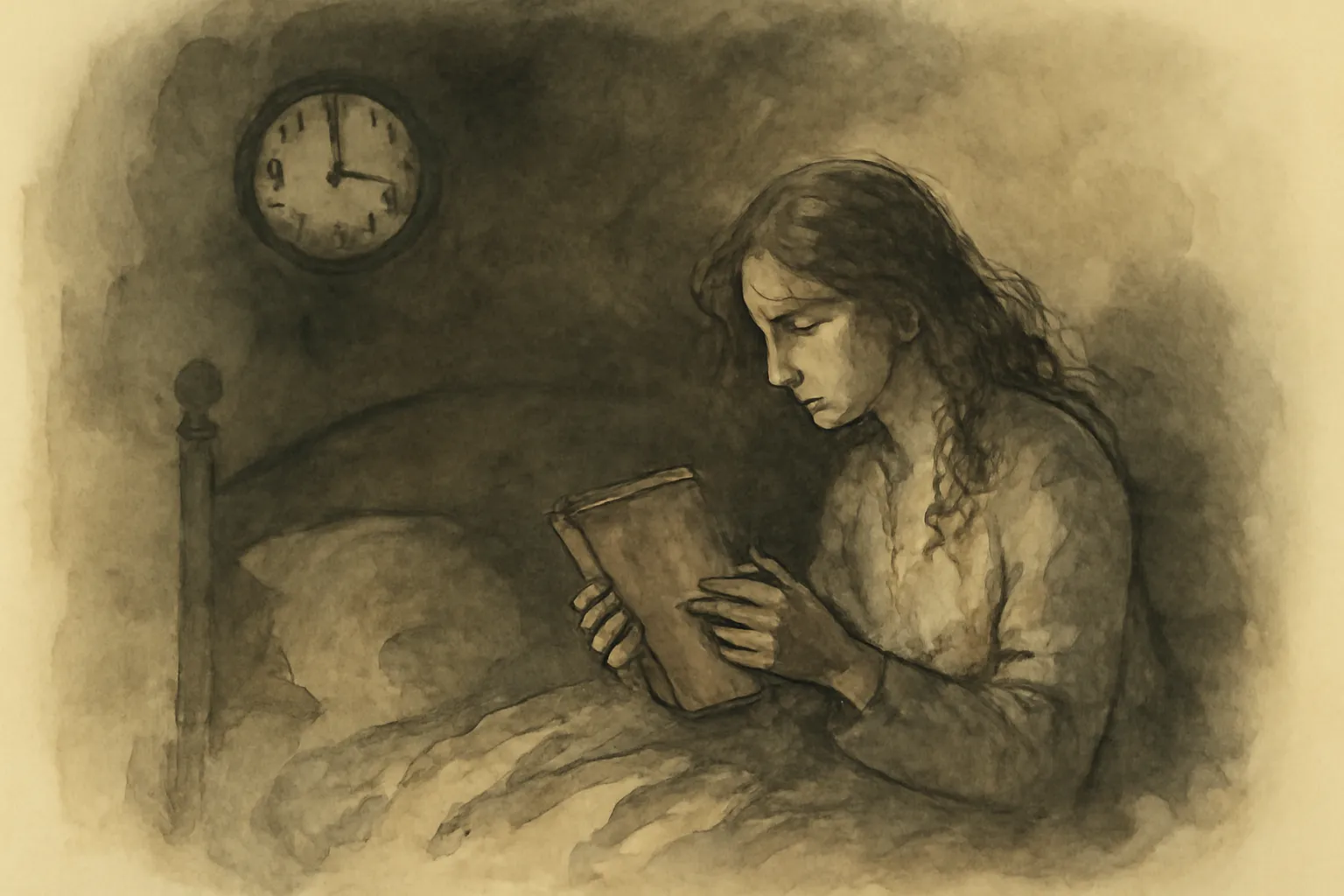
The novel’s protagonist, Christine Lucas, wakes each day with no memory of her life beyond her early twenties. This condition makes her the ultimate unreliable narrator—not by choice, but by neurological necessity. The narrative structure, told through Christine’s journal entries, forces readers to question the veracity of every detail and to experience her disorientation firsthand. Watson uses this device to immerse readers in the terror and vulnerability that come from not knowing one’s own past, making the story as much about the search for identity as about solving a mystery.
2.Memory as a Battleground
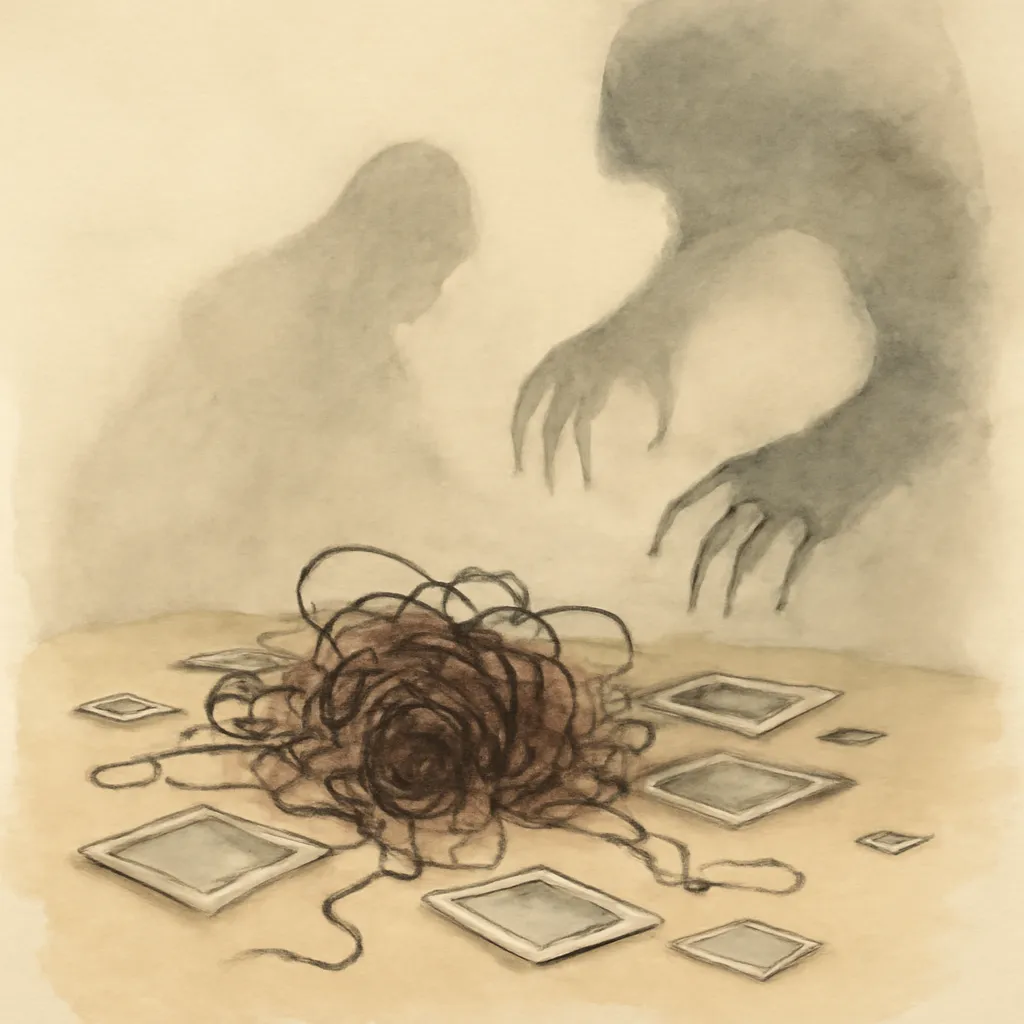
Memory, in Watson’s novel, is not just a personal record but a contested space. Christine’s amnesia is both a medical condition and a metaphor for the ways people can be manipulated when their grasp on reality is tenuous. The book explores how others—loved ones, caretakers, even supposed allies—can shape, distort, or erase our memories for their own ends. This theme raises unsettling questions about trust, autonomy, and the vulnerability that comes with dependency.
3.The Tension of Domestic Spaces
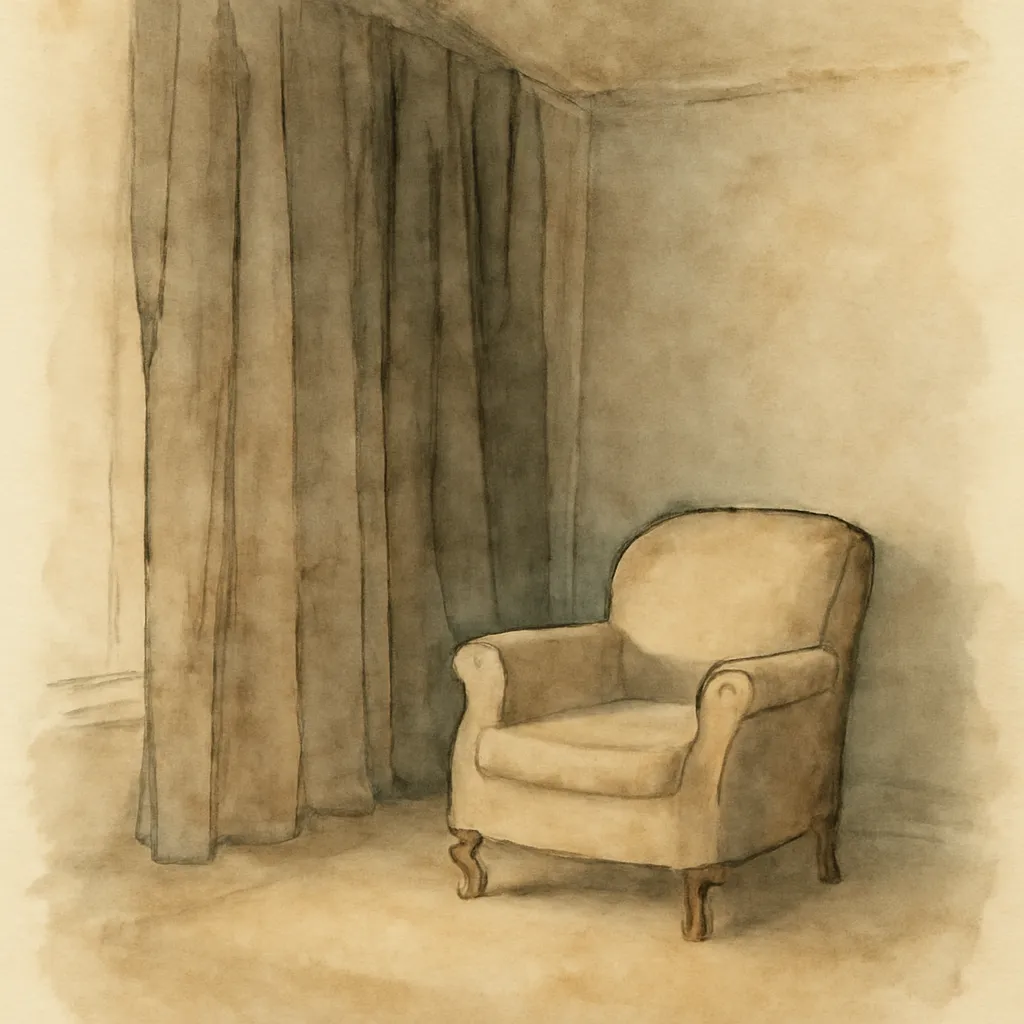
Set almost entirely within the confines of Christine’s home, the novel turns the familiar into something sinister. The domestic setting, usually associated with safety, becomes a claustrophobic stage for deception and fear. Watson plays with readers’ expectations about marriage, intimacy, and the sanctity of the home, suggesting that the greatest threats can lurk behind closed doors and within the people we think we know best.
4.The Power of Documentation
Christine’s journal is not just a narrative device—it’s her lifeline. By recording her experiences each day, she attempts to piece together a coherent sense of self. The act of writing becomes a form of resistance against oblivion and manipulation. Watson highlights the importance of documentation, not only for those with memory loss but for anyone seeking to make sense of their reality in the face of uncertainty.
5.Identity and Reinvention
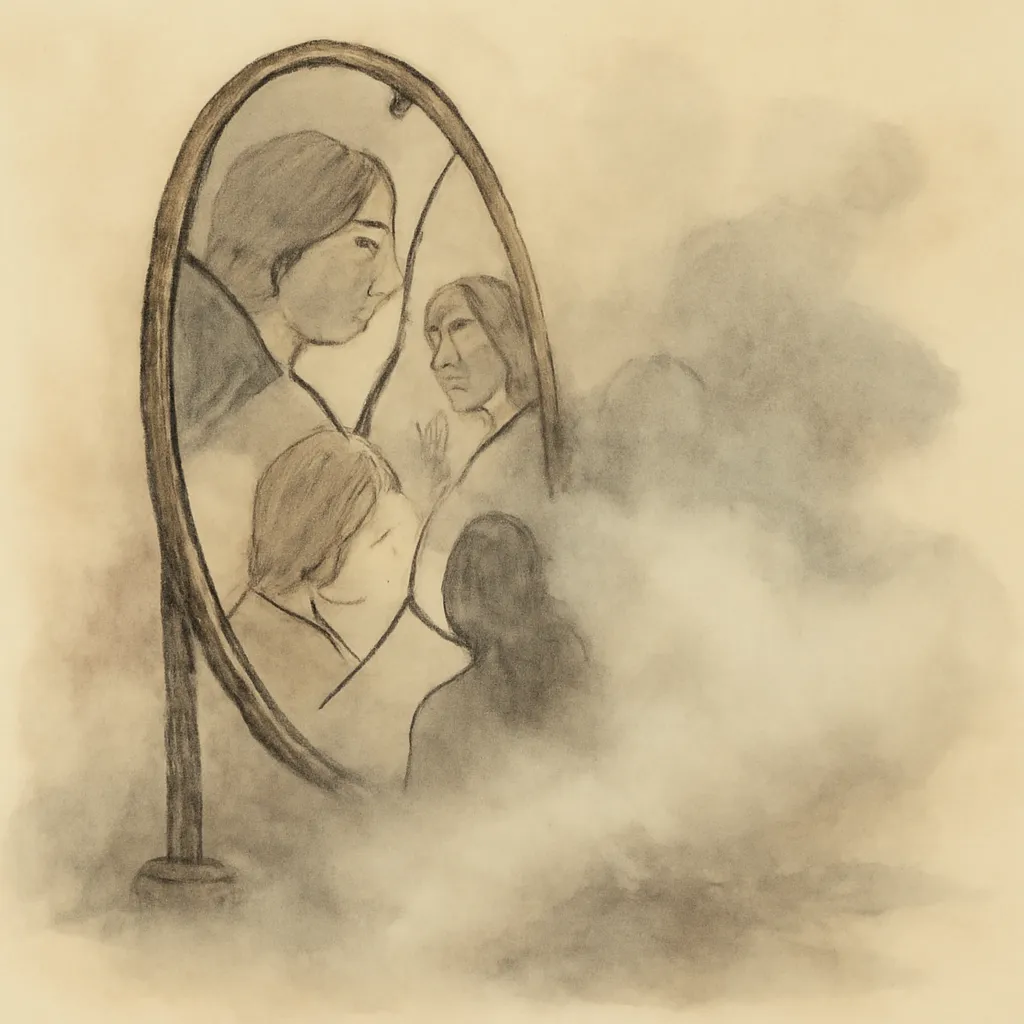
At its core, the novel is a meditation on identity. With her memories wiped clean each night, Christine is forced to reconstruct herself daily. This continual reinvention raises profound questions: Are we simply the sum of our memories? What happens to identity when memory is unreliable? Watson’s exploration invites readers to reflect on the fluidity of selfhood and the forces—internal and external—that shape who we are.
6.Manipulation and Gaslighting
Watson masterfully depicts psychological manipulation, particularly through the phenomenon of gaslighting. Christine’s dependence on others for information about her life makes her especially susceptible to deceit, and the novel’s suspense hinges on her gradual realization of this vulnerability. The story becomes a chilling study of how easily reality can be warped when one’s mind is not entirely one’s own.