1.The Power and Meaning of Silence
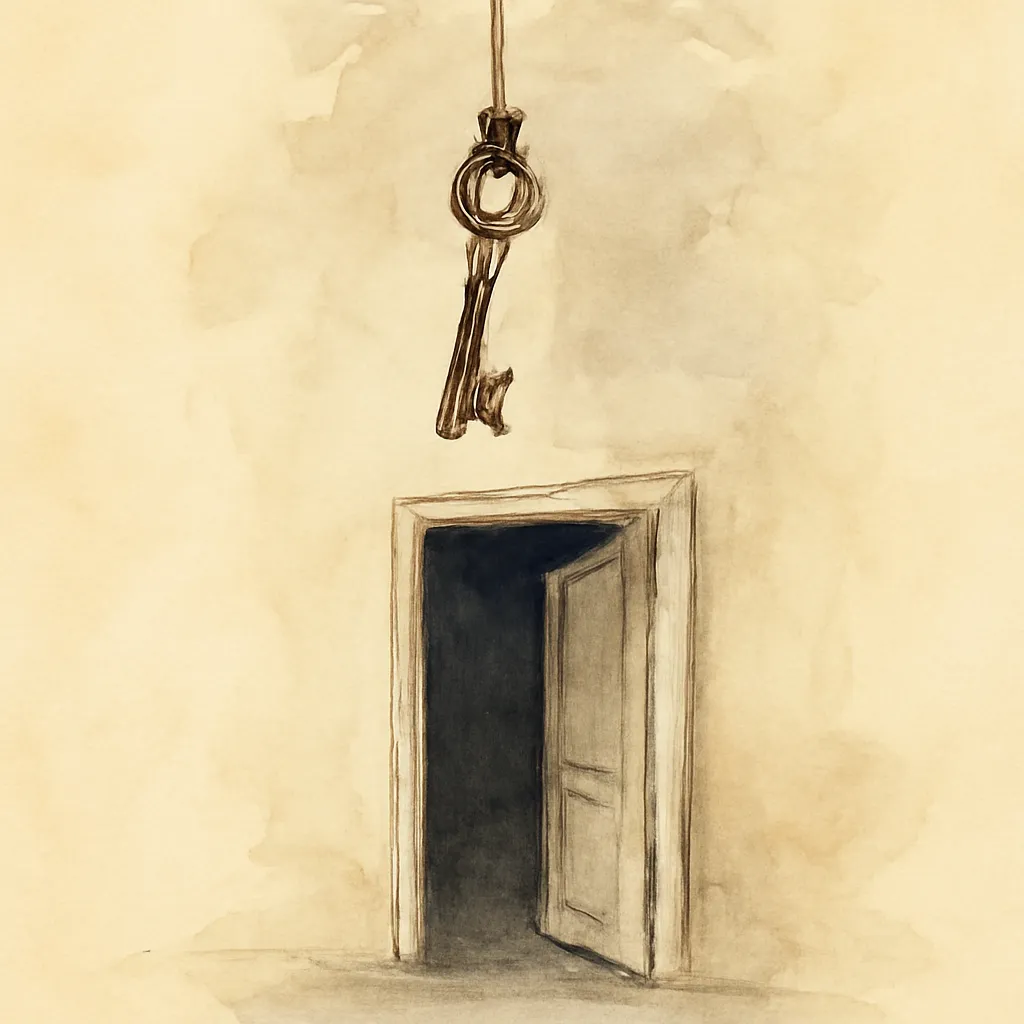
Alicia Berenson’s refusal to speak after her husband’s murder is more than a plot device—it’s a central symbol. Her silence becomes a canvas onto which others project their fears, theories, and desires. The book explores how silence can be a form of communication, resistance, or self-protection, and how it can be both infuriating and compelling for those seeking the truth. Alicia’s muteness challenges the people around her, especially Theo, to confront their own assumptions and obsessions.
2.Unreliable Narration and Twisted Perspectives
The novel is structured around the first-person account of Theo Faber, the psychotherapist determined to reach Alicia. As he investigates Alicia’s past and the circumstances of the murder, readers are led to trust his perspective—until the narrative itself is upended. Michaelides plays with the idea that everyone, including the narrator, has secrets and blind spots. The story’s major twist hinges on what is left unsaid and how easily truth can be manipulated by perspective.
3.Trauma and the Human Psyche
Both Alicia and Theo are haunted by their pasts. The book delves into how trauma shapes identity, relationships, and behavior. Alicia’s silence is gradually revealed as a response to deep psychological wounds, while Theo’s own history drives his fascination with her case. The novel asks whether healing is possible, and at what cost, and suggests that the line between healer and patient is often blurred.
4.Obsession and Ethical Boundaries
Theo’s pursuit of Alicia’s truth becomes increasingly personal and obsessive. The story examines the ethical boundaries of therapy, as Theo’s objectivity erodes and his actions cross professional lines. This obsession is mirrored in society’s fascination with sensational crimes and the way victims and perpetrators are mythologized. The book raises questions about the dangers of projecting one’s own needs onto others under the guise of helping.
5.Art as Expression and Confession
Alicia is an artist, and her final painting before her silence becomes a crucial clue. The novel treats art as a means of expressing what cannot be spoken, and as a coded confession. The interplay between Alicia’s visual art and her silence underscores the idea that truth can emerge in unexpected forms, and that creativity can be both a refuge and a revelation.
6.The Nature of Truth and Deception
The Silent Patient is ultimately a meditation on truth—how it is constructed, concealed, and revealed. The narrative’s twists force readers to reconsider what they believe and why. Michaelides suggests that truth is often hidden beneath layers of self-deception, trauma, and social expectation, and that uncovering it can have devastating consequences.