
Human ecology · Wahrnehmung · Sense (Philosophy)
The Spell of the Sensuous by David Abram — Summary, Key Ideas & Quotes
1996326 pages✦ 3-min Big ideas★ 4.5 (2)
Rate it
[In this book, the author] draws on sources as diverse as the philosophy of Merleau-Ponty, Balinese shamanism, Apache storytelling, and his own experience as an accomplished sleight-of-hand magician to reveal the subtle dependence of human cognition on the natural environment. He explores the character of perception and excavates the sensual foundations of language, which - even at its most abstract - echoes the calls and cries of the earth.
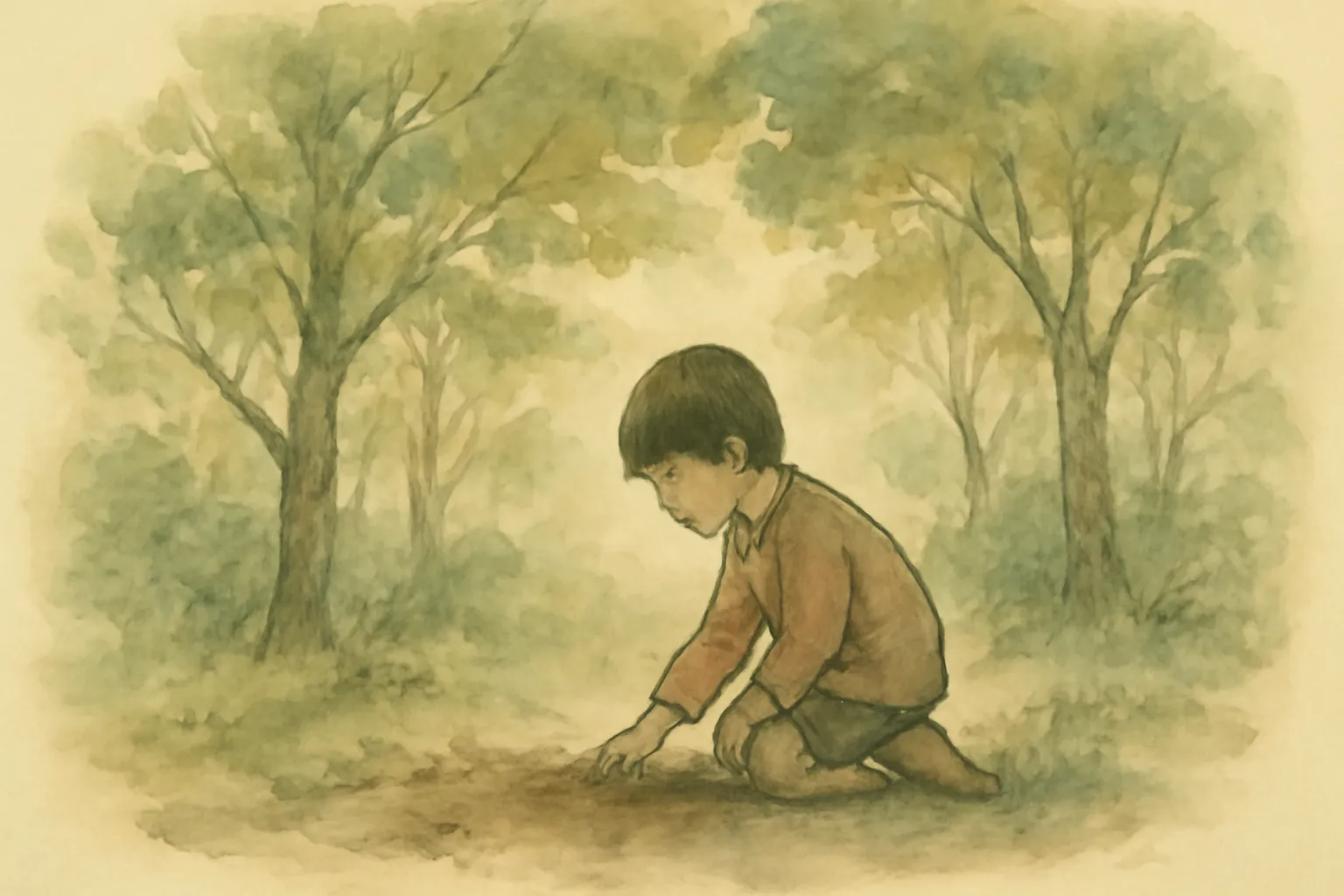
Abram argues that human perception is not a detached, purely mental process, but is fundamentally rooted in our bodily engagement with the environment. Drawing on phenomenology, especially Merleau-Ponty, he shows that our senses are attuned to the rhythms and textures of the natural world. This embodied perception means that we are always participants in a larger ecological field, not isolated observers. The book urges us to recognize how our awareness is shaped by the land, weather, and other living beings around us.
A central thesis is that language originally arose from direct sensory experience of the earth. Abram suggests that the sounds, rhythms, and metaphors of spoken language echo animal calls, wind, water, and landscape. Over time, as writing systems developed—especially alphabetic ones—language became more abstract and detached from the sensuous world, contributing to a sense of human separation from nature. He challenges readers to notice how language can either connect us to, or estrange us from, the living world.
“We are human only in contact, and conviviality, with what is not human.”
“The breathing, sensing body draws its sustenance and its very substance from the soils, the air, the sunlight of this living earth.”