1.Perception as Embodied and Ecological
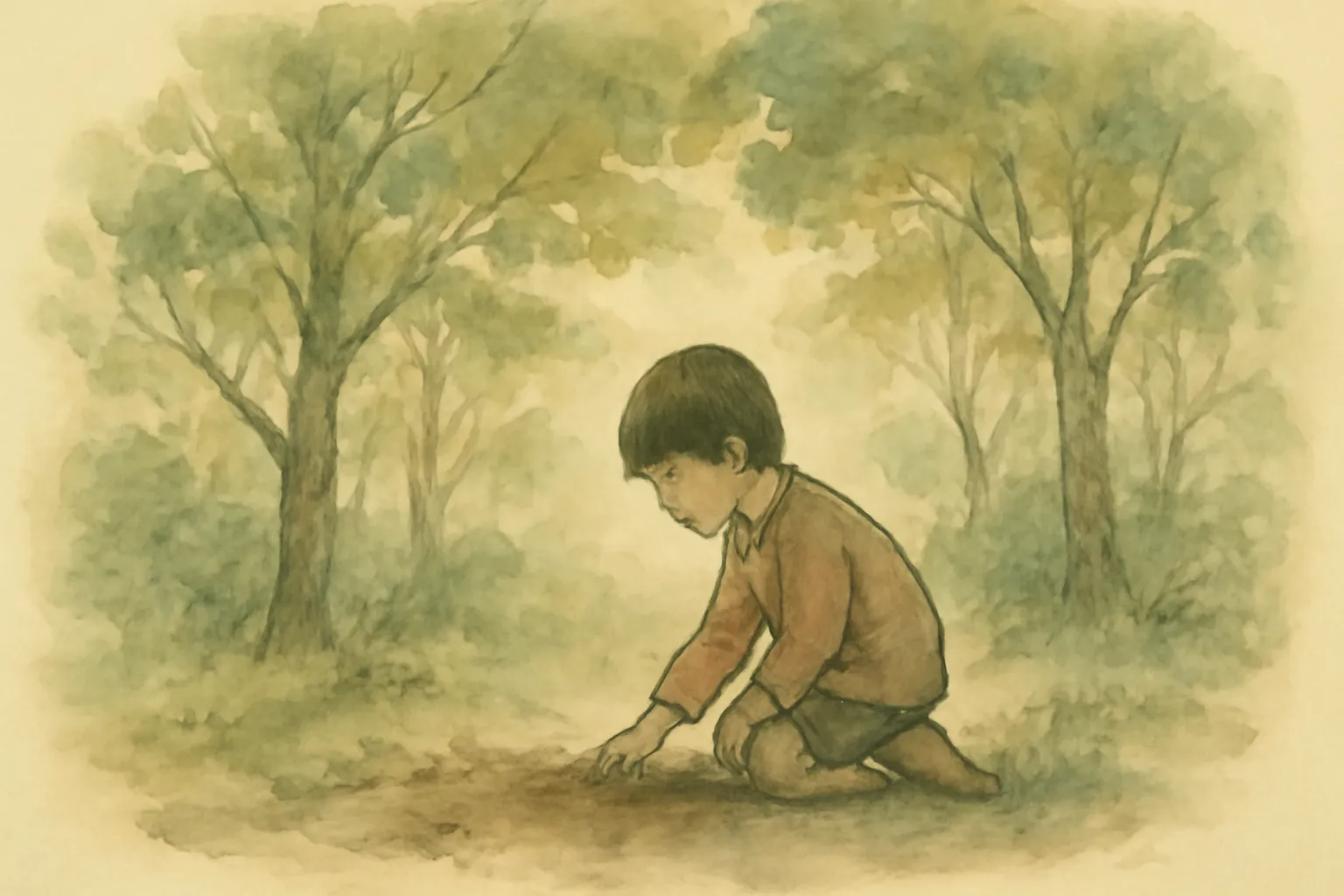
Abram argues that human perception is not a detached, purely mental process, but is fundamentally rooted in our bodily engagement with the environment. Drawing on phenomenology, especially Merleau-Ponty, he shows that our senses are attuned to the rhythms and textures of the natural world. This embodied perception means that we are always participants in a larger ecological field, not isolated observers. The book urges us to recognize how our awareness is shaped by the land, weather, and other living beings around us.
2.Language Emerges from the Land
A central thesis is that language originally arose from direct sensory experience of the earth. Abram suggests that the sounds, rhythms, and metaphors of spoken language echo animal calls, wind, water, and landscape. Over time, as writing systems developed—especially alphabetic ones—language became more abstract and detached from the sensuous world, contributing to a sense of human separation from nature. He challenges readers to notice how language can either connect us to, or estrange us from, the living world.
3.Animism and the 'More-Than-Human' World
Abram reclaims the term 'animism,' often dismissed in Western thought, to describe a worldview in which the land, animals, and even weather are experienced as alive and communicative. He draws on indigenous traditions and his own experiences with shamans to show that perceiving the world as animate fosters respect and reciprocity. This stands in contrast to the modern Western tendency to see nature as inert or merely a resource for human use.
4.The Loss and Consequences of Abstraction
The book traces how the rise of abstract, written language—especially alphabetic literacy—has distanced humans from direct sensory participation in the world. Abram argues that this abstraction underlies many ecological crises, as it enables us to treat the earth as an object rather than a living presence. He suggests that regaining a sensuous, participatory relationship with the world is essential for ecological sanity.
5.Restoring a Participatory Relationship
Abram calls for a return to a participatory mode of being, where we listen and respond to the land and its creatures. He proposes practical ways to reawaken our senses—through storytelling, attentive walking, and mindful speech. By doing so, we can heal the rift between humans and nature, fostering a more sustainable and meaningful way of living.
6.Interdisciplinary Approach: Philosophy, Magic, and Indigenous Wisdom
Abram’s unique perspective weaves together Western philosophy, his experiences as a magician, and insights from indigenous cultures. This interdisciplinary approach enriches his argument, showing that the sense of wonder and reciprocity with the earth is not just an abstract idea but a lived, practical reality in many traditions.