

Human body · Human physiology · Human evolution
The Story of the Human Body by Daniel Lieberman — Summary, Key Ideas & Quotes
2013480 pages✦ 3-min Big ideas★ 5.0 (1)
Rate it
In this landmark book of popular science, Daniel E. Lieberman—chair of the department of human evolutionary biology at Harvard University and a leader in the field—gives us a lucid and engaging account of how the human body evolved over millions of years, even as it shows how the increasing disparity between the jumble of adaptations in our Stone Age bodies and advancements in the modern world is occasioning this paradox: greater longevity but increased chronic disease. The Story of the Human Body brilliantly illuminates as never before the major transformations that contributed key adaptations to the body: the rise of bipedalism; the shift to a non-fruit-based diet; the advent of hunting and gathering, leading to our superlative endurance athleticism; the development of a very large brain; and the incipience of cultural proficiencies. Lieberman also elucidates how cultural evolution differs from biological evolution, and how our bodies were further transformed during the Agricultural and Industrial Revolutions. While these ongoing changes have brought about many benefits, they have also created conditions to which our bodies are not entirely adapted, Lieberman argues, resulting in the growing incidence of obesity and new but avoidable diseases, such as type 2 diabetes. Lieberman proposes that many of these chronic illnesses persist and in some cases are intensifying because of “dysevolution,” a pernicious dynamic whereby only the symptoms rather than the causes of these maladies are treated. And finally—provocatively—he advocates the use of evolutionary information to help nudge, push, and sometimes even compel us to create a more salubrious environment. (With charts and line drawings throughout.)
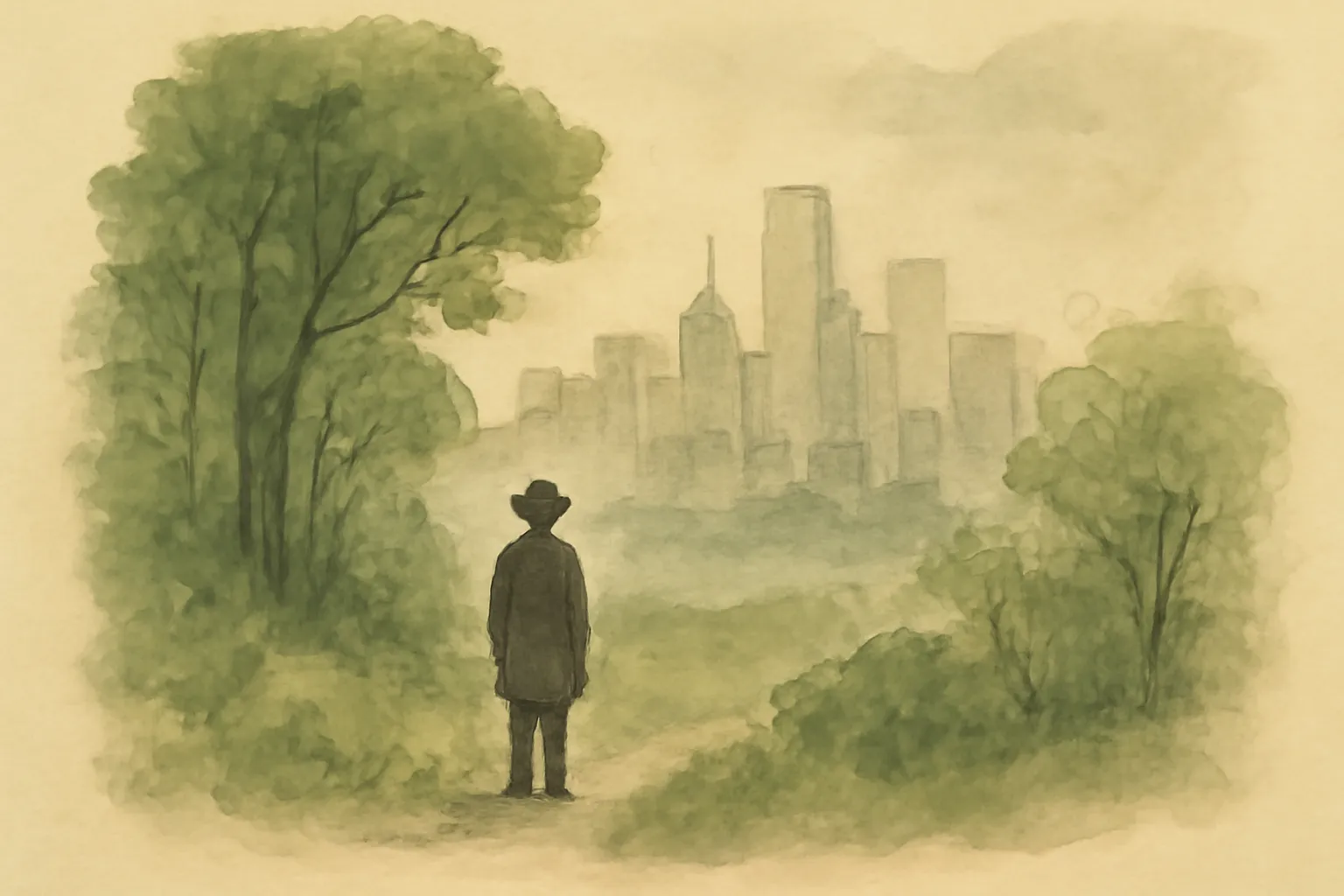
Lieberman introduces the concept of 'mismatch diseases,' which arise when our bodies—shaped by millions of years of evolution for survival in a hunter-gatherer context—encounter modern lifestyles. Conditions like type 2 diabetes, heart disease, and certain cancers are far more prevalent today not because evolution failed, but because our bodies are adapted to a world of scarcity, physical activity, and natural foods, not sedentary routines and processed diets. This mismatch is central to understanding many modern health crises.
The book traces key evolutionary events: the shift to bipedalism, changes in diet from fruit to a broader omnivorous palette, the development of endurance running, and the dramatic expansion of the human brain. Each adaptation brought trade-offs—walking upright freed our hands but made us prone to back problems; bigger brains enabled culture but required more energy. Lieberman shows how these milestones set the stage for both our strengths and vulnerabilities.
“We did not evolve to be healthy, but to reproduce.”
“Many of the diseases that plague us today are diseases of affluence, not of poverty.”