1.Evolutionary Mismatch
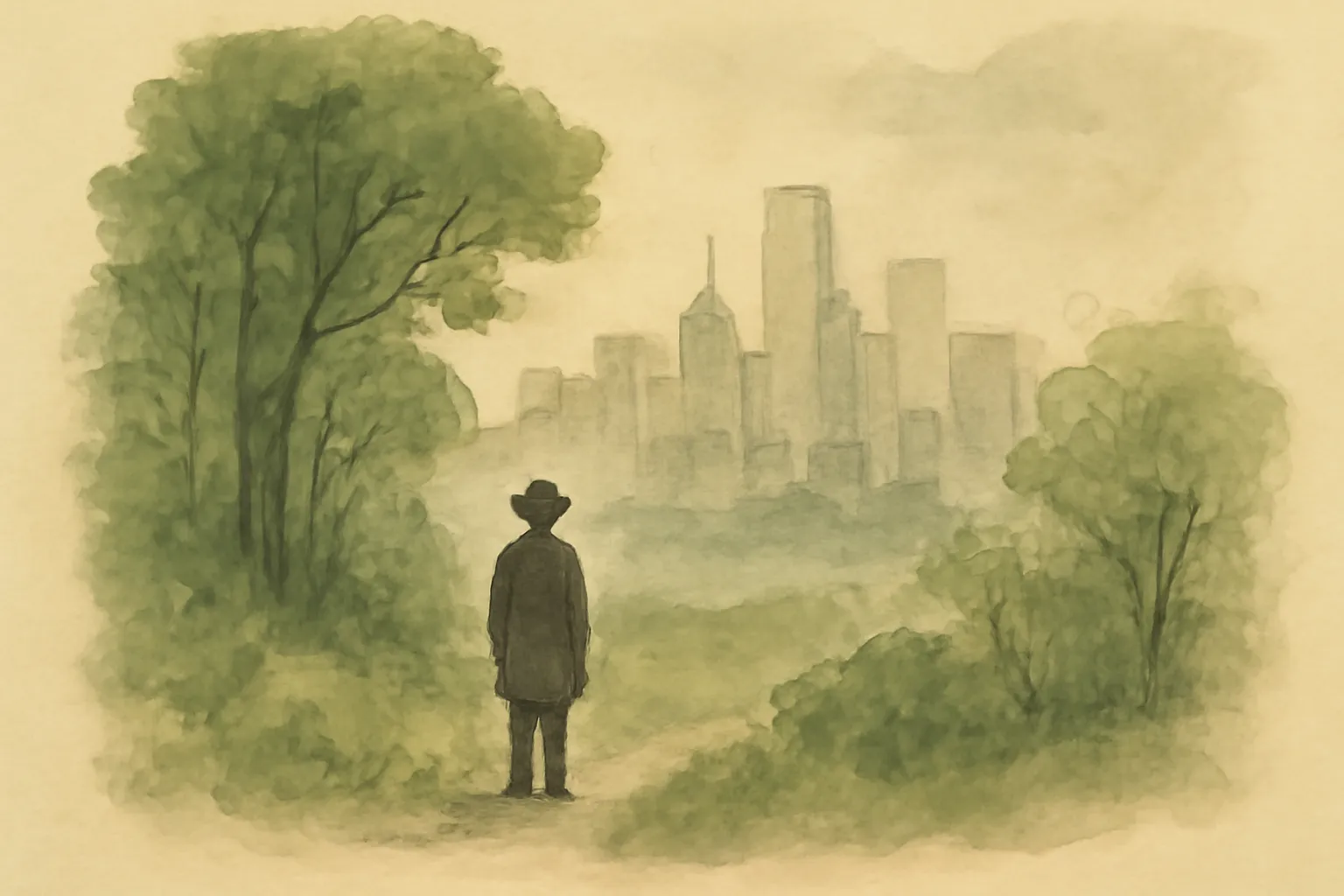
Lieberman introduces the concept of 'mismatch diseases,' which arise when our bodies—shaped by millions of years of evolution for survival in a hunter-gatherer context—encounter modern lifestyles. Conditions like type 2 diabetes, heart disease, and certain cancers are far more prevalent today not because evolution failed, but because our bodies are adapted to a world of scarcity, physical activity, and natural foods, not sedentary routines and processed diets. This mismatch is central to understanding many modern health crises.
2.Major Milestones in Human Evolution
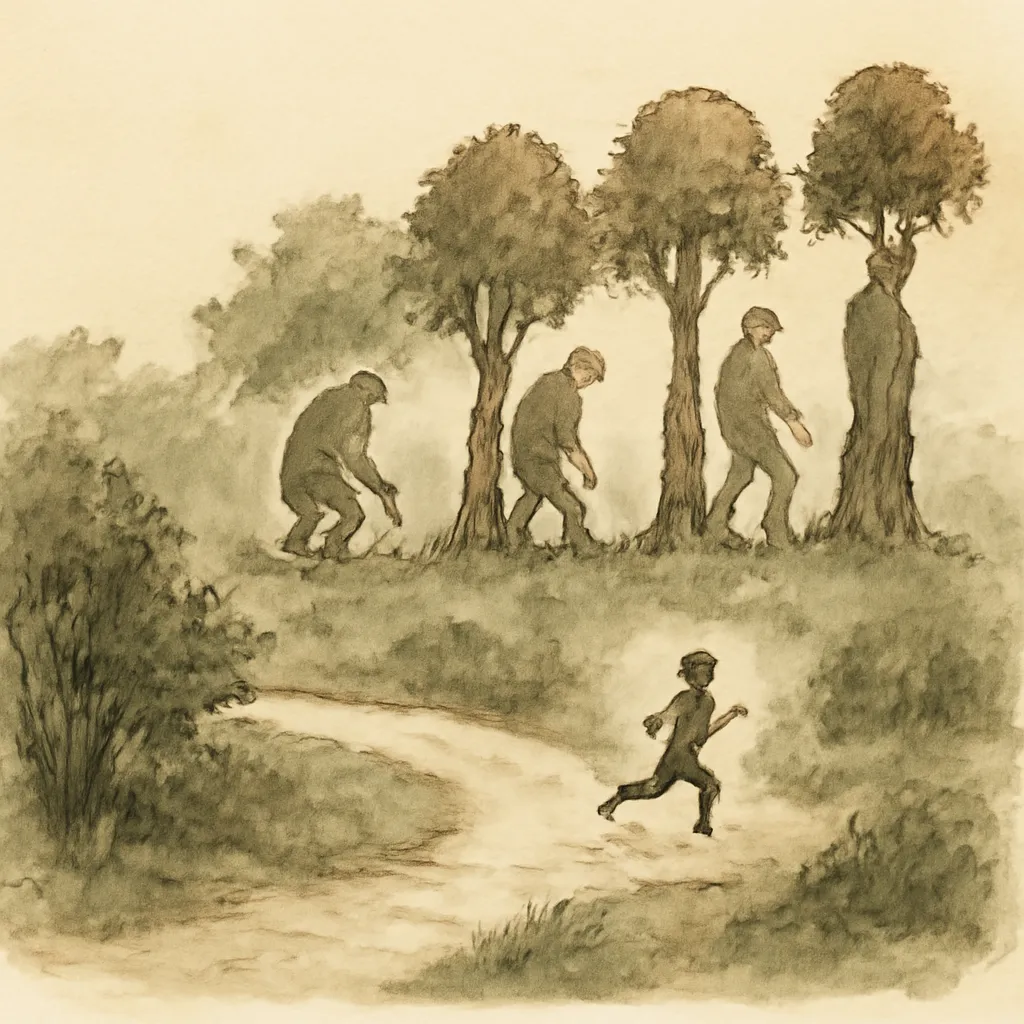
The book traces key evolutionary events: the shift to bipedalism, changes in diet from fruit to a broader omnivorous palette, the development of endurance running, and the dramatic expansion of the human brain. Each adaptation brought trade-offs—walking upright freed our hands but made us prone to back problems; bigger brains enabled culture but required more energy. Lieberman shows how these milestones set the stage for both our strengths and vulnerabilities.
3.Cultural vs. Biological Evolution
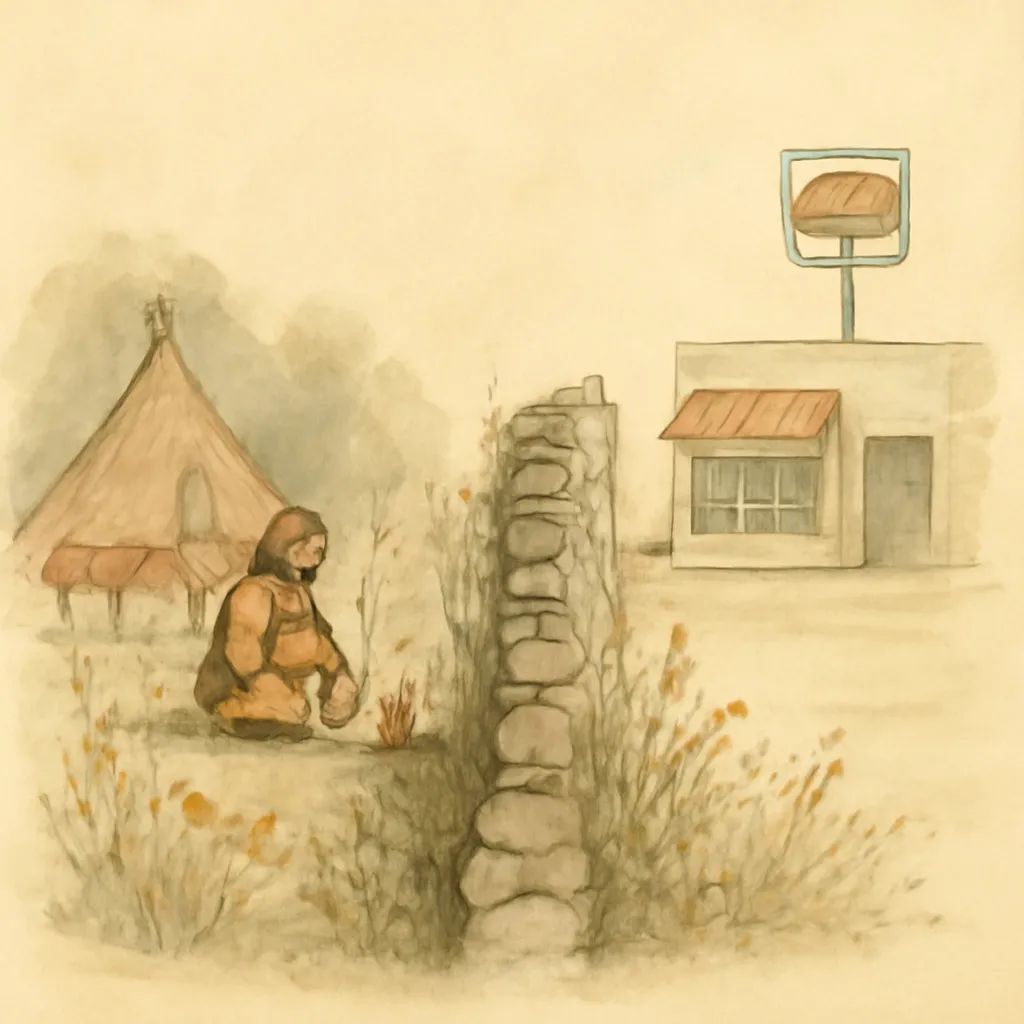
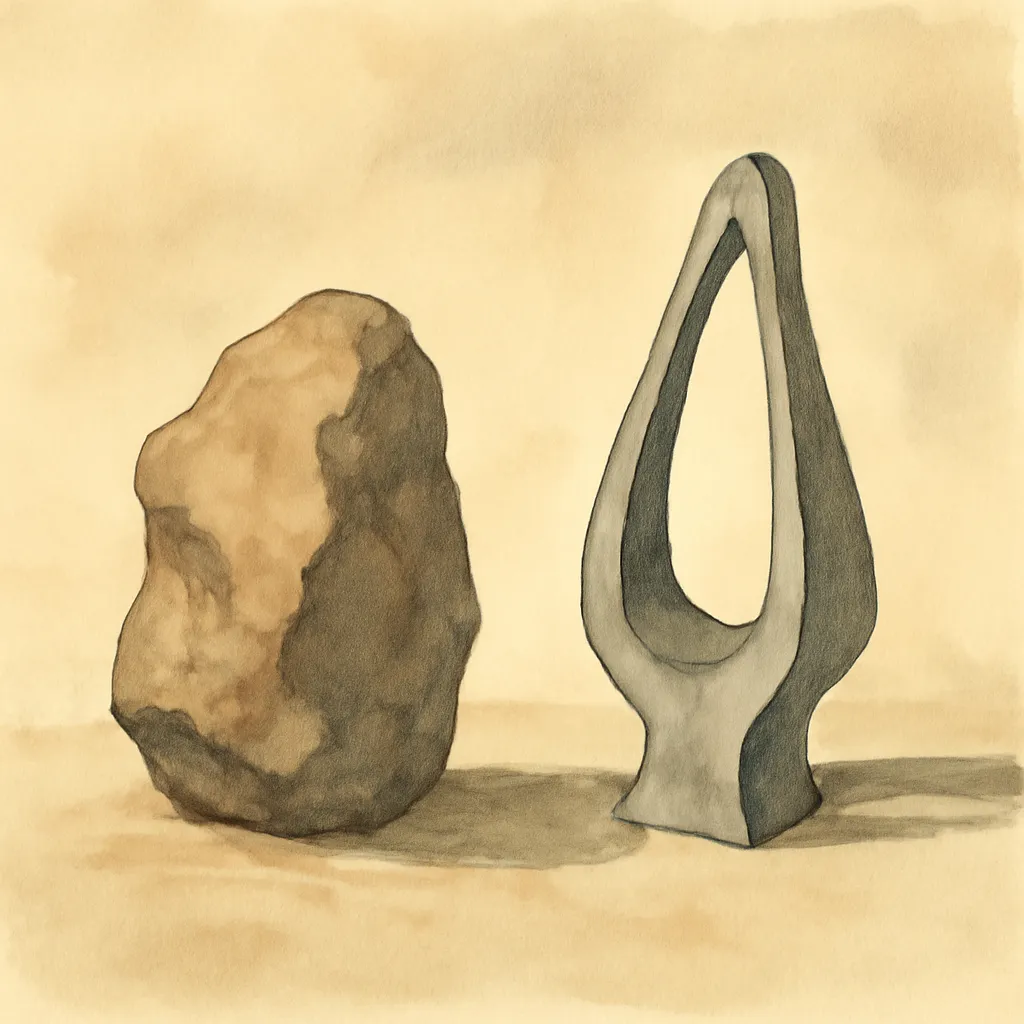
Lieberman draws a sharp distinction between slow, genetic evolution and rapid cultural evolution. While our genes change over millennia, cultural innovations—like agriculture, cooking, and industrialization—can transform our environment in just a few generations. This rapid pace means our bodies often can't keep up, exacerbating the mismatch between biology and lifestyle.
4.The Agricultural and Industrial Revolutions
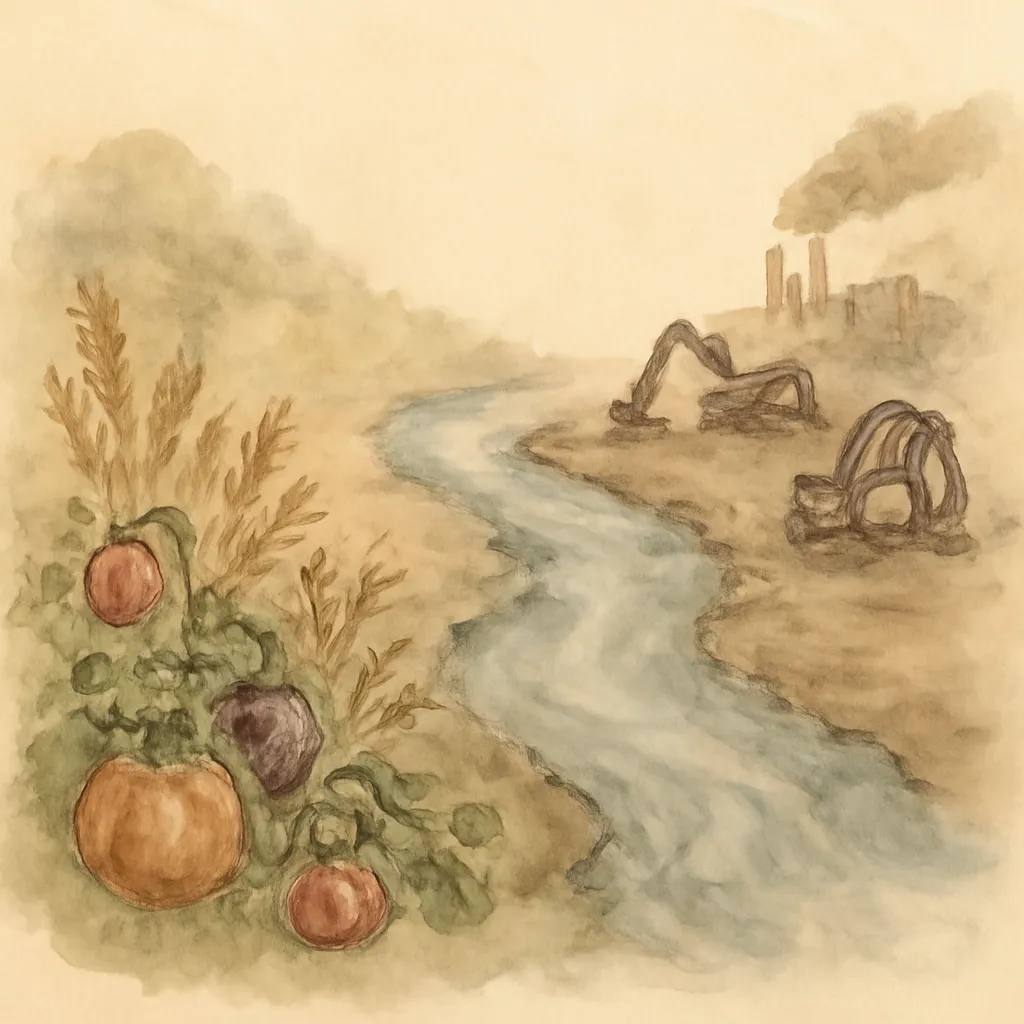
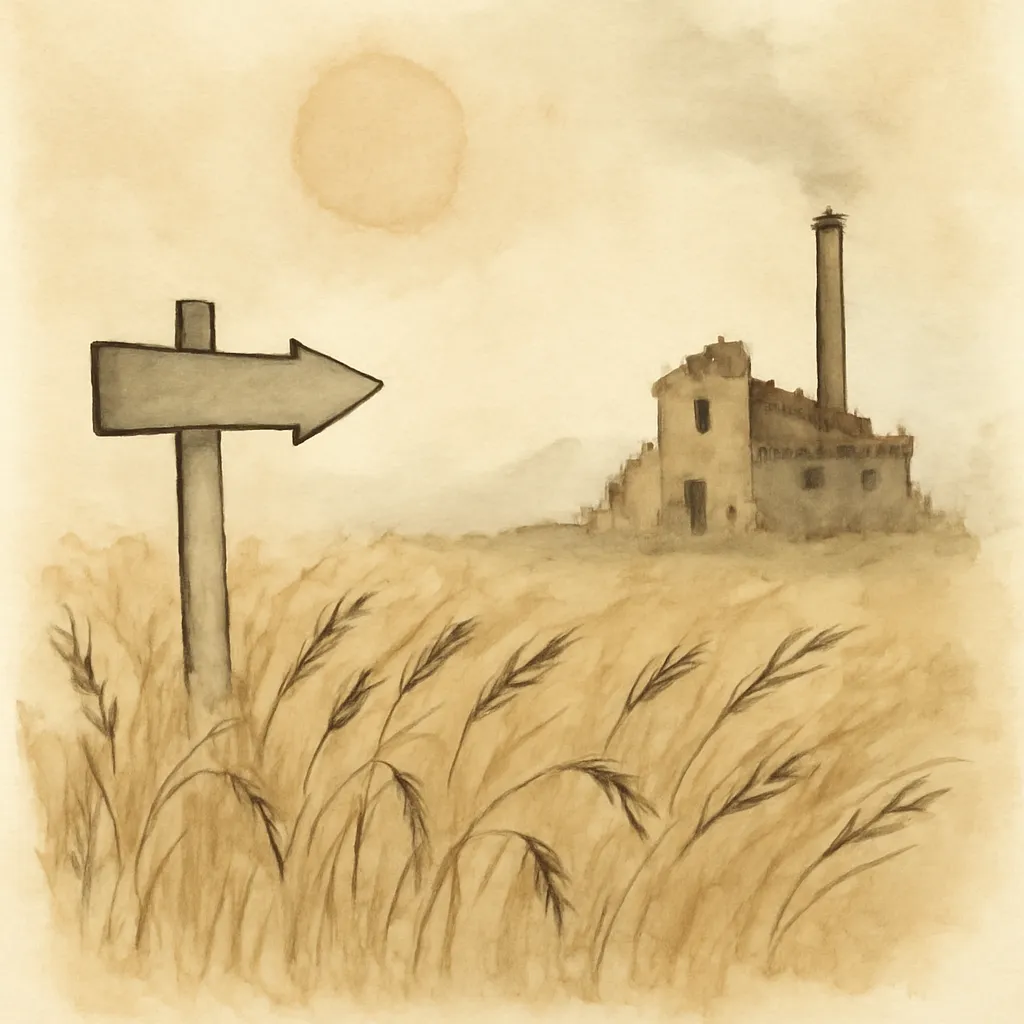
The transition to farming and, later, industrial society fundamentally altered human diets, activity levels, and disease exposure. Lieberman argues that while these revolutions enabled population growth and technological progress, they also introduced new health problems: tooth decay, shorter stature, infectious diseases, and, most recently, chronic 'diseases of affluence.' Understanding these shifts is crucial for addressing modern health challenges.
5.Rethinking Modern Health
Lieberman doesn't advocate a simplistic 'return to nature,' but he does suggest that understanding our evolutionary past can inform smarter choices today. By recognizing which aspects of modern life are at odds with our biology—such as excessive sitting, processed foods, and lack of physical activity—we can design interventions and lifestyles that better align with our evolutionary needs.
6.The Power and Limits of Evolution
The book emphasizes that evolution is not about perfection, but about trade-offs and adaptation to past environments. Our bodies are not optimally designed machines, but products of compromise. This perspective encourages humility in both medicine and public health, reminding us that solutions to modern problems must account for deep evolutionary roots.