

Sexual selection in animals · Courtship in animals · Sexual selection
The Evolution of Beauty by Richard O. Prum — Summary, Key Ideas & Quotes
2017438 pages✦ 3-min Big ideas★ 4.5 (2)
Rate it
What can explain the incredible diversity of beauty in nature? Richard O. Prum, an award-winning ornithologist, discusses Charles Darwin's second and long-neglected theory--aesthetic mate choice--and what it means for our understanding of evolution. In addition, Prum connects those same evolutionary dynamics to the origins and diversity of human sexuality, offering riveting new thinking about the evolution of human beauty and the role of mate choice, thereby transforming our ancestors from typical infanticidal primates into socially intelligent, pair-bonding caregivers. Prum's book is an exhilarating tour de force that begins in the trees and ends by fundamentally challenging how we understand human evolution and ourselves. --
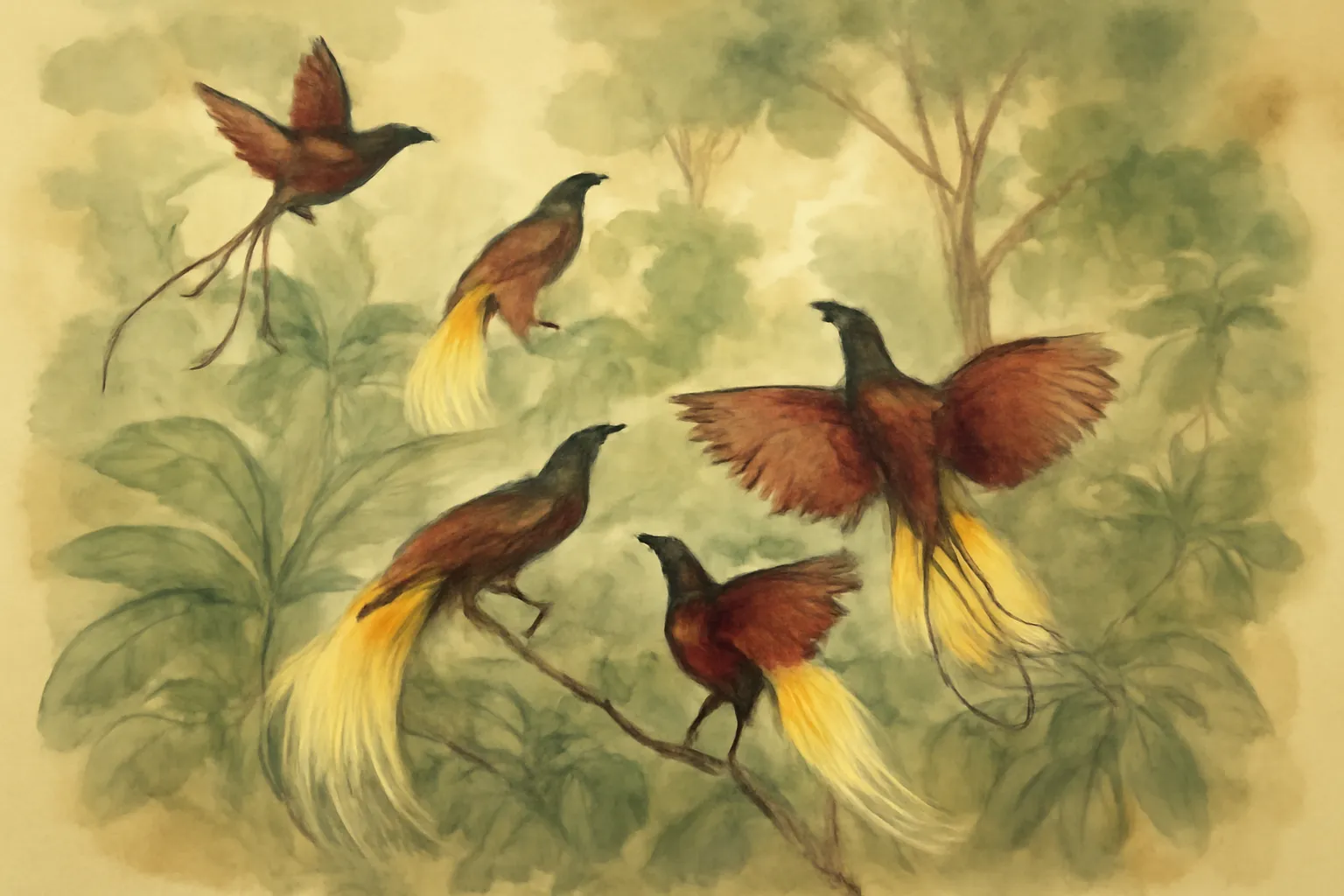
Prum revives Charles Darwin’s lesser-known theory that animals often choose mates based on beauty—traits that are attractive for their own sake, not just because they signal fitness. This challenges the dominant narrative that all traits must have a survival advantage. According to Prum, beauty evolves because animals, especially females, have preferences that drive the development of elaborate ornaments and displays. This aesthetic evolution can sometimes even run counter to natural selection, leading to traits that seem impractical or costly.
A central argument in the book is the importance of female choice in evolution. Prum emphasizes that female animals are not passive selectors but active agents whose preferences shape the course of species’ development. This perspective re-centers agency in evolutionary biology, challenging the male-centric, adaptationist explanations and highlighting how sexual autonomy can drive both diversity and innovation in the natural world.
“Beauty happens.”
“Mate choice is not about adaptation; it is about freedom.”