1.Darwin’s Forgotten Theory: Aesthetic Evolution
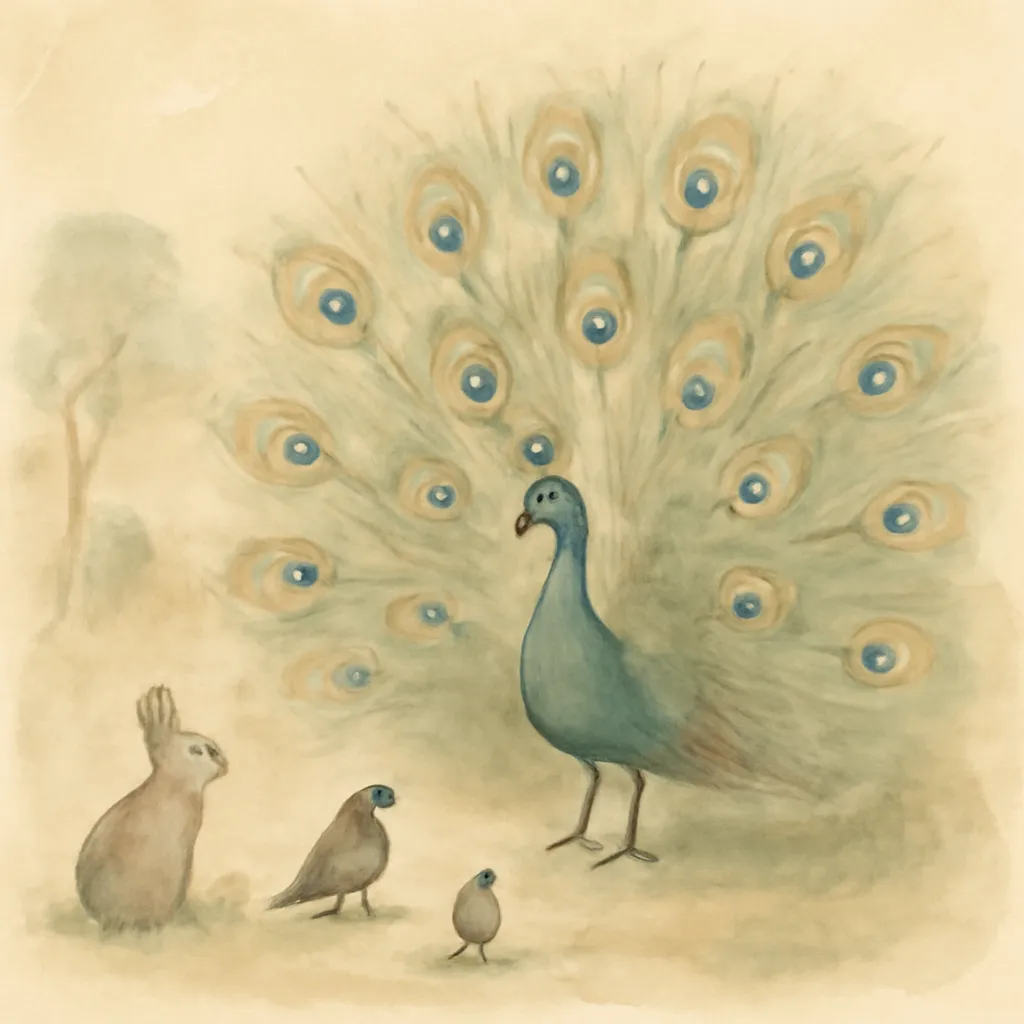
Prum revives Charles Darwin’s lesser-known theory that animals often choose mates based on beauty—traits that are attractive for their own sake, not just because they signal fitness. This challenges the dominant narrative that all traits must have a survival advantage. According to Prum, beauty evolves because animals, especially females, have preferences that drive the development of elaborate ornaments and displays. This aesthetic evolution can sometimes even run counter to natural selection, leading to traits that seem impractical or costly.
2.Female Agency and the Power of Choice
A central argument in the book is the importance of female choice in evolution. Prum emphasizes that female animals are not passive selectors but active agents whose preferences shape the course of species’ development. This perspective re-centers agency in evolutionary biology, challenging the male-centric, adaptationist explanations and highlighting how sexual autonomy can drive both diversity and innovation in the natural world.
3.Beauty Beyond Utility
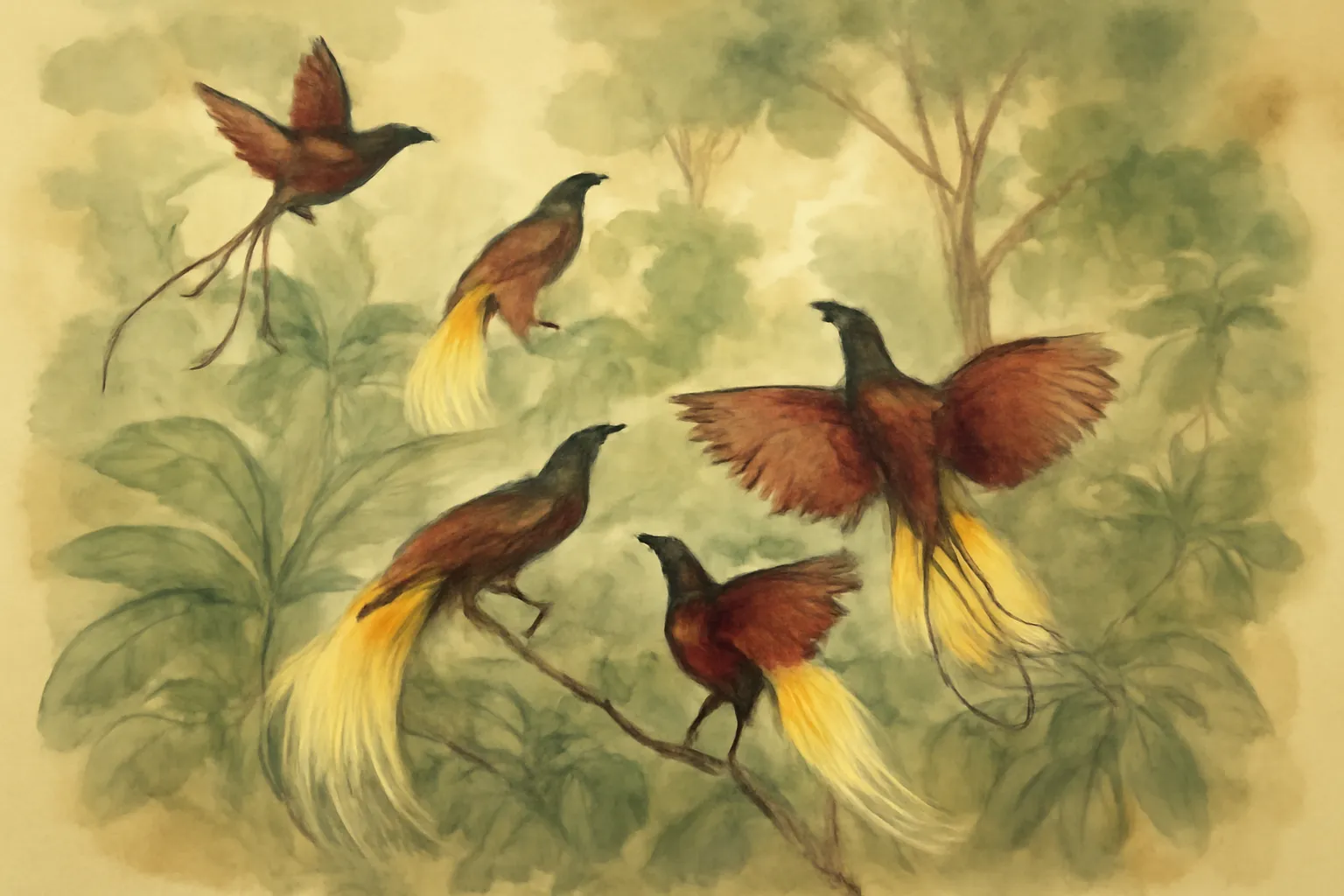
Prum contends that beauty in nature is not always a byproduct of utility or health, but can be an end in itself. He illustrates this with vivid examples from the bird world, such as the extravagant displays of birds-of-paradise, whose features cannot be fully explained by survival advantage alone. The book argues that the appreciation of beauty is a creative force in evolution, sometimes leading to seemingly ‘impractical’ traits simply because they are preferred.
4.Challenging Adaptationism
The book critiques the adaptationist paradigm, which assumes every trait must have a direct survival benefit. Prum argues that this view is too narrow and ignores the role of subjective experiences—like pleasure and desire—in evolutionary change. He calls for a broader understanding of evolution that includes the messy, unpredictable influence of aesthetic preferences.
5.Implications for Human Evolution and Sexuality
Prum extends his argument to human evolution, suggesting that mate choice and aesthetics played a crucial role in shaping human sexuality and social behavior. He explores how female choice may have influenced the development of traits like reduced aggression, increased cooperation, and even the origins of pair-bonding. This perspective offers a fresh lens on the evolution of human beauty, sexual diversity, and the emergence of complex social structures.
6.The Politics of Beauty and Science
Prum does not shy away from discussing the cultural and scientific resistance to these ideas, especially the reluctance to grant agency to female animals or to accept that subjective experiences can shape evolution. He critiques the biases that have shaped evolutionary biology and advocates for a more inclusive, pluralistic science that acknowledges the importance of beauty and choice.