

Origin · Evolutionary psychology · SCIENCE / Life Sciences / Evolution
The Fate of the Neanderthals by Ian Tattersall — Summary, Key Ideas & Quotes
2012266 pages✦ 3-min Big ideas★ 4.0 (1)
Rate it
"When homo sapiens made their entrance 100,000 years ago they were confronted by a wide range of other early humans--homo erectus, who walked better and used fire; homo habilis who used tools; and of course the Neanderthals, who were brawny and strong. But shortly after their arrival, something happened that vaulted the species forward and made them the indisputable masters of the planet. This book is devoted to revealing just what that difference is. It explores how the physical traits and cognitive ability of homo sapiens distanced them from the rest of nature. Even more importantly, Masters of the Planet looks at how our early ancestors acquired these superior abilities; it shows that their strange and unprecedented mental facility is not, as most of us were taught, simply a basic competence that was refined over unimaginable eons by natural selection. Instead, it is an emergent capacity that was acquired quite recently and changed the world definitively"--
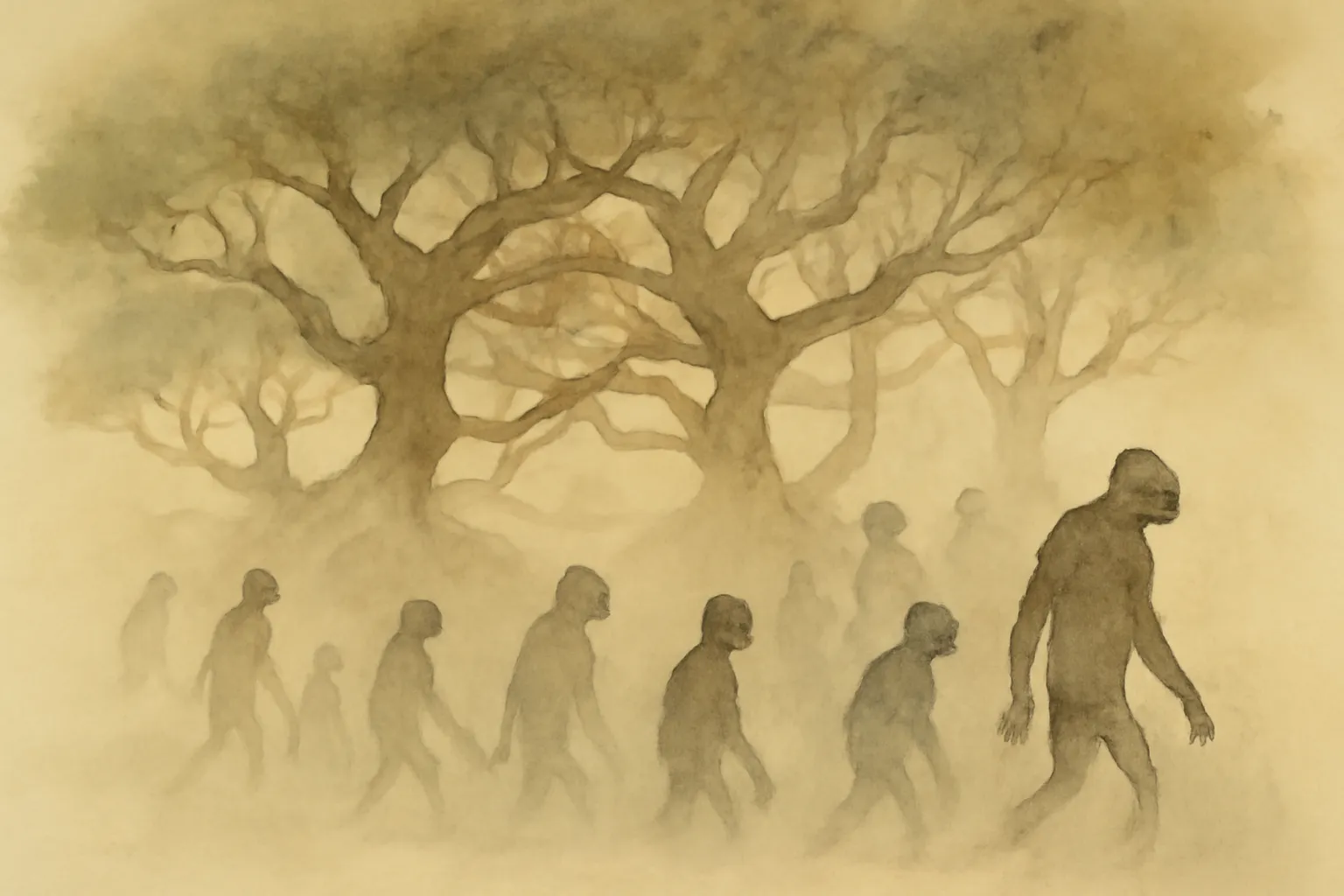
Tattersall sets the stage by reminding readers that Homo sapiens were not alone when they emerged. The world teemed with other hominin species, including Neanderthals, Homo erectus, and Homo habilis. The book underscores how recent discoveries have revealed a complex web of human evolution, challenging the old linear progression model. This context is crucial for appreciating just how unusual our own species’ success is—and how it was far from inevitable.
Neanderthals were not the brutish, dim-witted figures of popular myth. Tattersall presents them as intelligent, resourceful, and well-adapted to their environments, with evidence of tool use, symbolic objects, and possibly even language. Yet, despite these similarities, Neanderthals vanished while Homo sapiens thrived. The book delves into the puzzle of what subtle but decisive differences may have determined their fate.

