1.A Crowded Human Family Tree
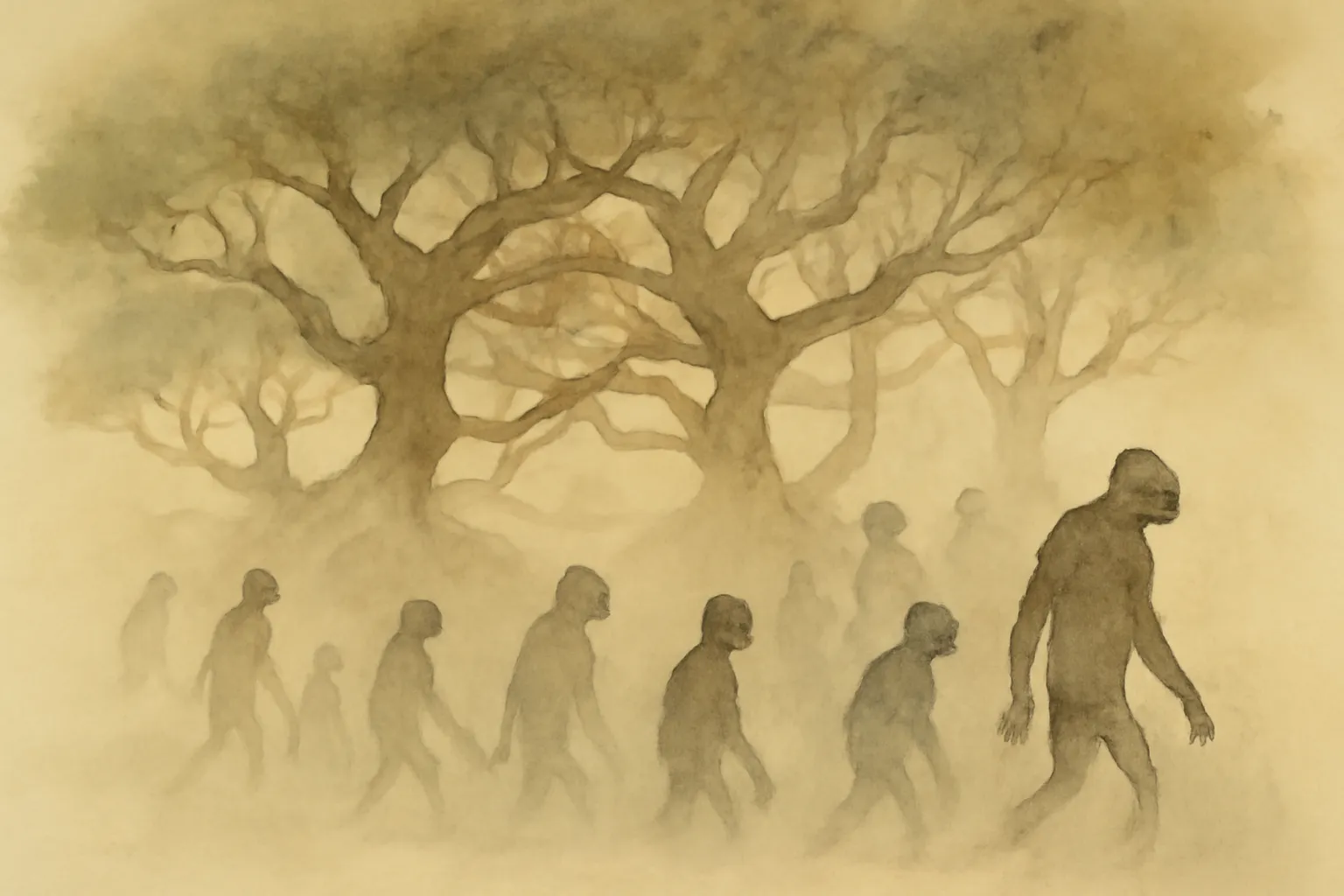
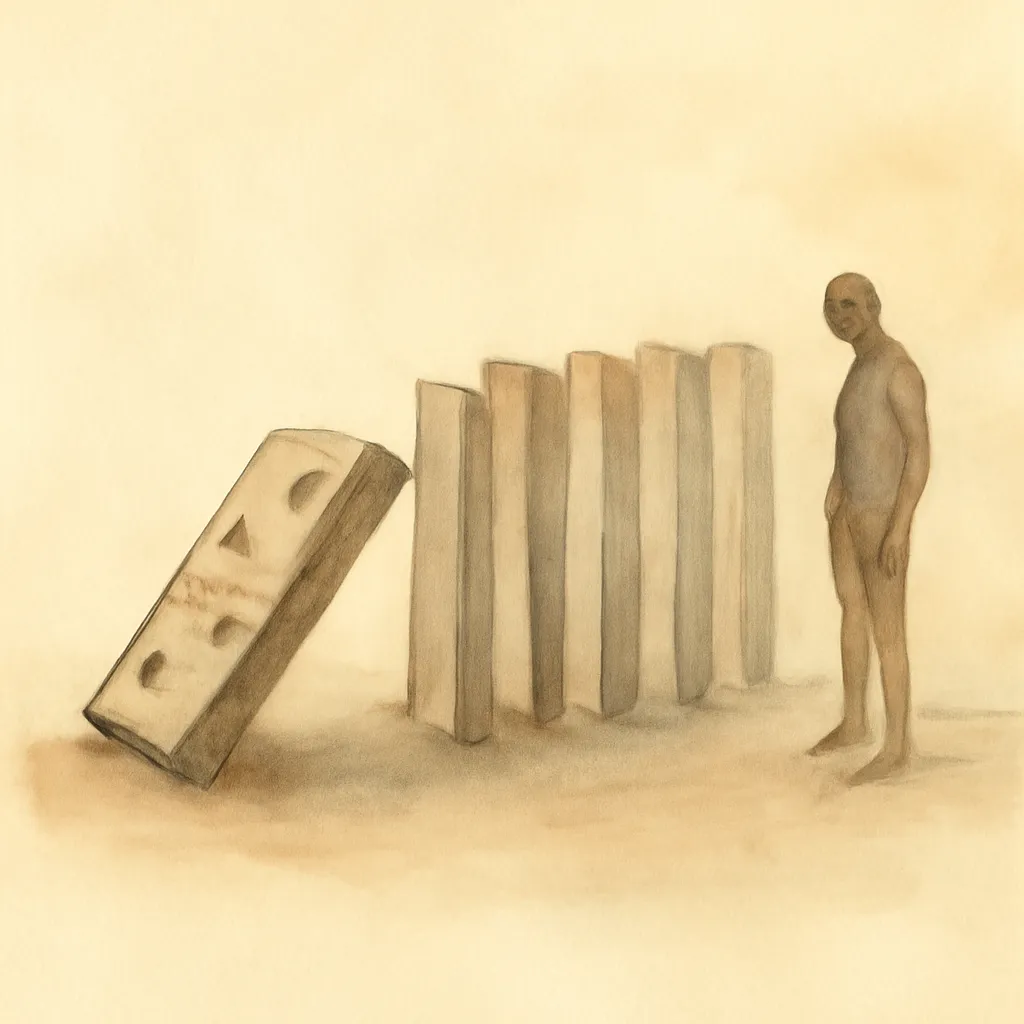
Tattersall sets the stage by reminding readers that Homo sapiens were not alone when they emerged. The world teemed with other hominin species, including Neanderthals, Homo erectus, and Homo habilis. The book underscores how recent discoveries have revealed a complex web of human evolution, challenging the old linear progression model. This context is crucial for appreciating just how unusual our own species’ success is—and how it was far from inevitable.
2.The Neanderthal Enigma
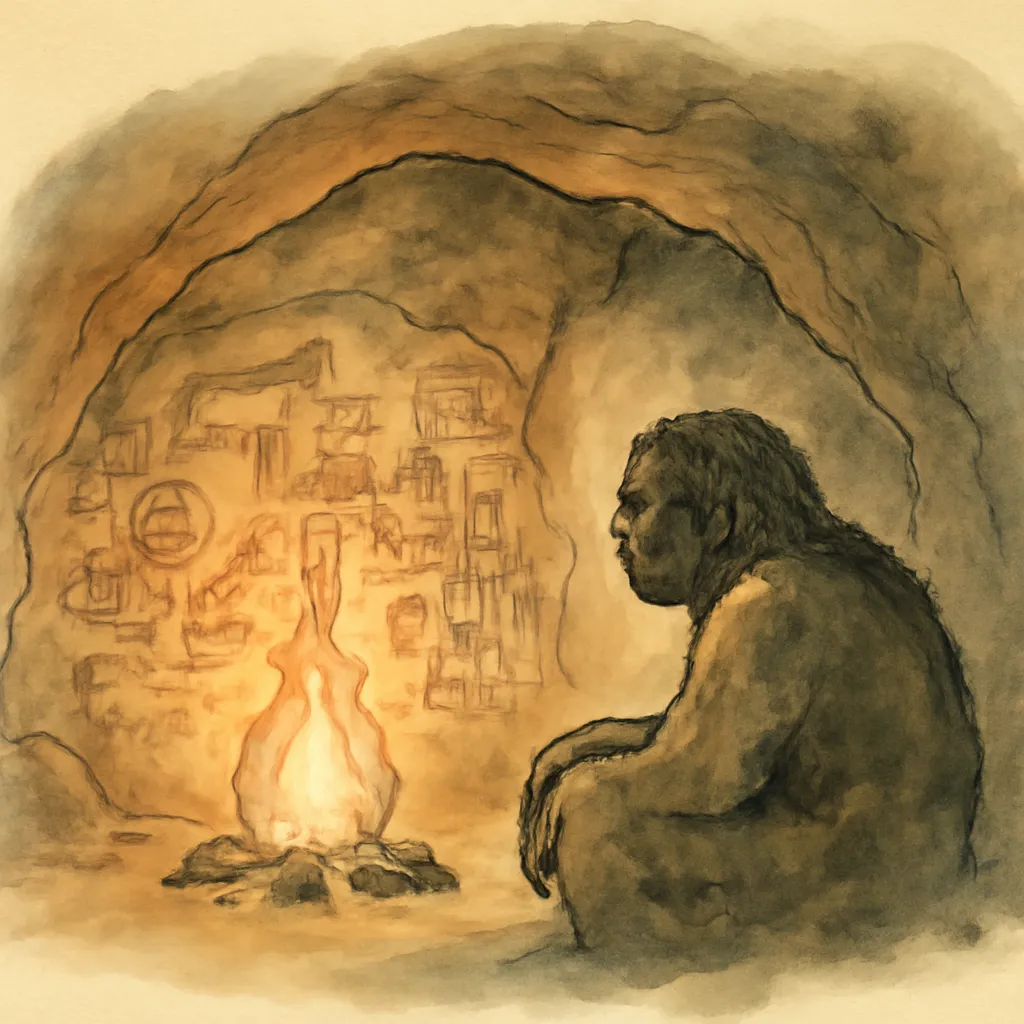
Neanderthals were not the brutish, dim-witted figures of popular myth. Tattersall presents them as intelligent, resourceful, and well-adapted to their environments, with evidence of tool use, symbolic objects, and possibly even language. Yet, despite these similarities, Neanderthals vanished while Homo sapiens thrived. The book delves into the puzzle of what subtle but decisive differences may have determined their fate.
3.The Cognitive Revolution
A central thesis of the book is that Homo sapiens underwent a sudden, dramatic leap in cognitive abilities—a 'cognitive revolution'—rather than a slow, incremental improvement. Tattersall argues that symbolic thought, abstract reasoning, and complex language emerged rapidly, giving our species an unprecedented edge. This mental flexibility allowed for innovation, social complexity, and adaptability that other hominins could not match.
4.Culture as a Game-Changer
Tattersall emphasizes the role of culture in Homo sapiens’ rise. Once symbolic thought took hold, culture became cumulative: knowledge, skills, and innovations could be passed on and improved with each generation. This cultural ratchet effect made Homo sapiens uniquely able to adapt to changing environments and outcompete other hominins, including Neanderthals.
5.Not Just Survival of the Fittest
The book challenges the simplistic view that natural selection alone explains our dominance. Tattersall suggests that the emergence of modern cognition was more like a lucky accident—an emergent property rather than a direct product of evolutionary pressure. This idea reframes human uniqueness as a contingent event, not a predetermined outcome.
6.Implications for Understanding Ourselves
By tracing the roots of our cognitive abilities, Tattersall invites readers to reflect on what it means to be human. The book argues that our mental capacities are both extraordinary and fragile, shaped by chance as much as necessity. This perspective encourages humility and curiosity about our place in the natural world.