

Fossil hominids · Human evolution · Paleoanthropology
The Fossil Trail by Ian Tattersall — Summary, Key Ideas & Quotes
1995282 pages✦ 3-min Big ideas★ 0.0
Rate it
One of the most remarkable fossil finds in history occurred in Laetoli, Tanzania, in 1974, when anthropologist Andrew Hill (diving to the ground to avoid a lump of elephant dung thrown by a colleague) came face to face with a set of ancient footprints captured in stone - the earliest recorded steps of our far-off human ancestors, some three million years old.
Today we can see a recreation of the making of the Laetoli footprints at the American Museum of Natural History in a stunning diorama which depicts two of our human forebears walking side by side through a snowy landscape of volcanic ash. But how do we know what these three-million-year-old relatives looked like? How have we reconstructed the eons-long journey from our first ancient steps to where we stand today? In short, how do we know what we think we know about human evolution?
.
In The Fossil Trail, Ian Tattersall, the head of the Anthropology Department at the American Museum of Natural History, takes us on a sweeping tour of the study of human evolution, offering a colorful history of fossil discoveries and a revealing insider's look at how these finds have been interpreted - and misinterpreted - through time. All the major figures and discoveries are here.
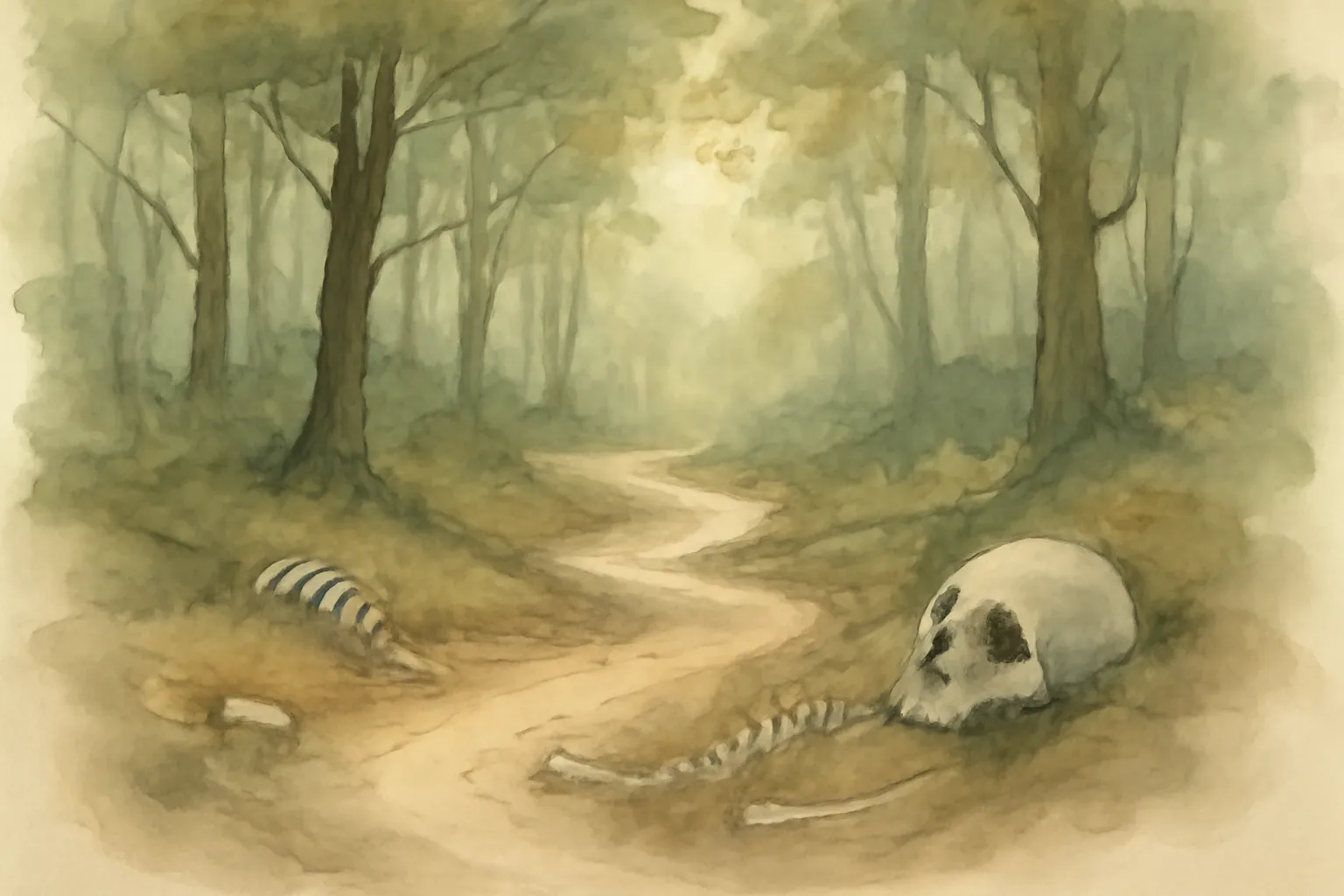
Tattersall emphasizes that the story of human evolution is as much about the scientists and their biases as it is about the fossils themselves. He shows how personal rivalries, cultural contexts, and prevailing scientific fashions have shaped the interpretation of key discoveries. The book highlights how even the most celebrated finds—such as the Laetoli footprints or the Taung child—were subject to debate, skepticism, and sometimes outright dismissal, depending on who made the discovery and when. This underscores the idea that science is not a linear march toward truth, but a complex, often messy process influenced by human factors.
One of the central themes is the incomplete and tantalizing nature of the fossil evidence for human evolution. Tattersall explains how each new discovery—whether a skull fragment or a set of footprints—can dramatically alter prevailing theories. He cautions against over-interpreting scant evidence and reminds readers that large gaps remain in our knowledge. This humility before the data is a recurring motif, encouraging a skeptical and open-minded approach to scientific claims.

