1.Science as a Human Endeavor
Tattersall emphasizes that the story of human evolution is as much about the scientists and their biases as it is about the fossils themselves. He shows how personal rivalries, cultural contexts, and prevailing scientific fashions have shaped the interpretation of key discoveries. The book highlights how even the most celebrated finds—such as the Laetoli footprints or the Taung child—were subject to debate, skepticism, and sometimes outright dismissal, depending on who made the discovery and when. This underscores the idea that science is not a linear march toward truth, but a complex, often messy process influenced by human factors.
2.The Fragmentary Nature of the Fossil Record
One of the central themes is the incomplete and tantalizing nature of the fossil evidence for human evolution. Tattersall explains how each new discovery—whether a skull fragment or a set of footprints—can dramatically alter prevailing theories. He cautions against over-interpreting scant evidence and reminds readers that large gaps remain in our knowledge. This humility before the data is a recurring motif, encouraging a skeptical and open-minded approach to scientific claims.
3.Changing Models of Human Evolution
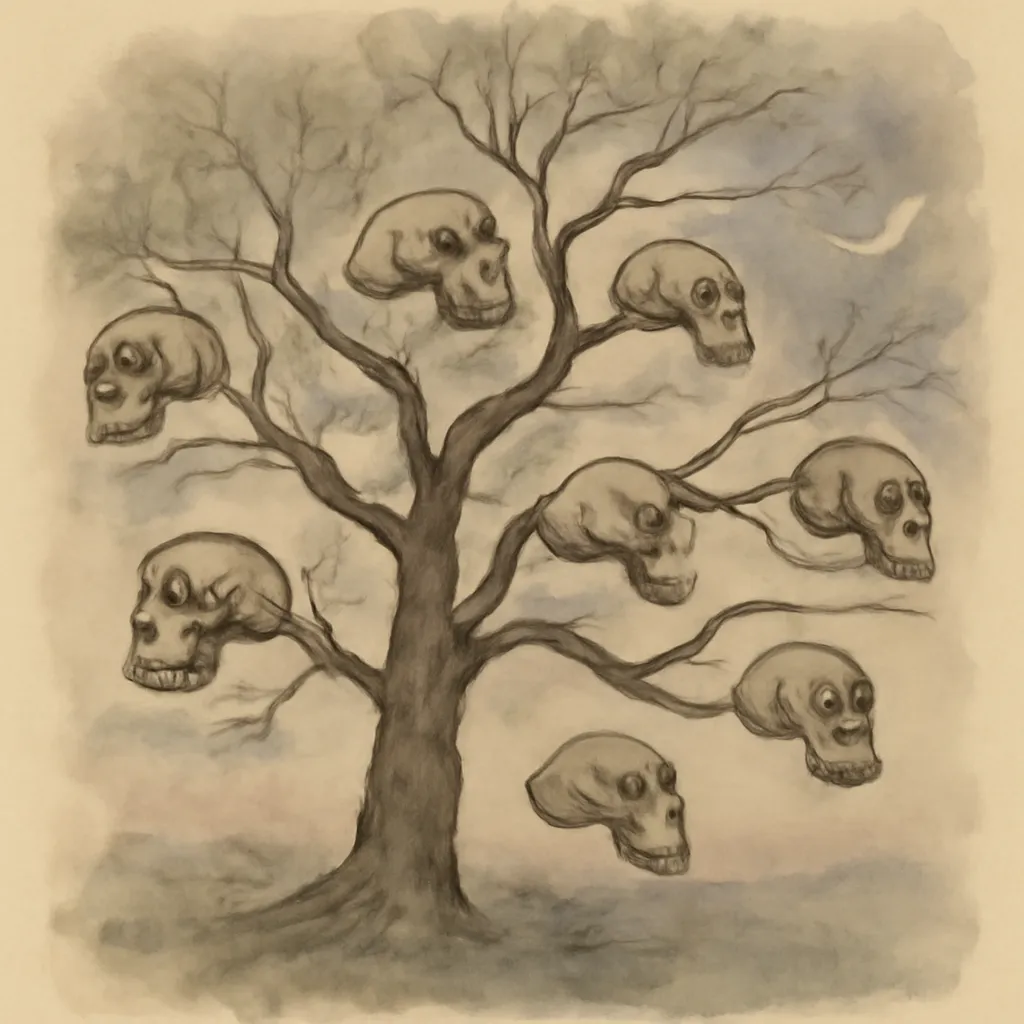
Tattersall traces the shifting paradigms in paleoanthropology, from the 'single line' view of human evolution (a straight march from ape to human) to more branching, bush-like models that recognize multiple hominin species coexisting and experimenting with different evolutionary paths. He discusses how new finds, such as Australopithecus afarensis, forced scientists to rethink the relationships among our ancestors, challenging simplistic narratives and highlighting the complexity of our lineage.
4.The Role of Interpretation and Imagination
The book explores how much of what we 'know' about ancient humans is built on interpretation—sometimes bordering on speculation. From reconstructing faces from skulls to imagining behaviors from footprints, Tattersall shows that paleoanthropology requires both rigorous analysis and creative inference. He warns that reconstructions can easily be colored by contemporary ideas about race, progress, or human uniqueness, reminding readers to question the stories we tell about our origins.
5.The Impact of New Technologies
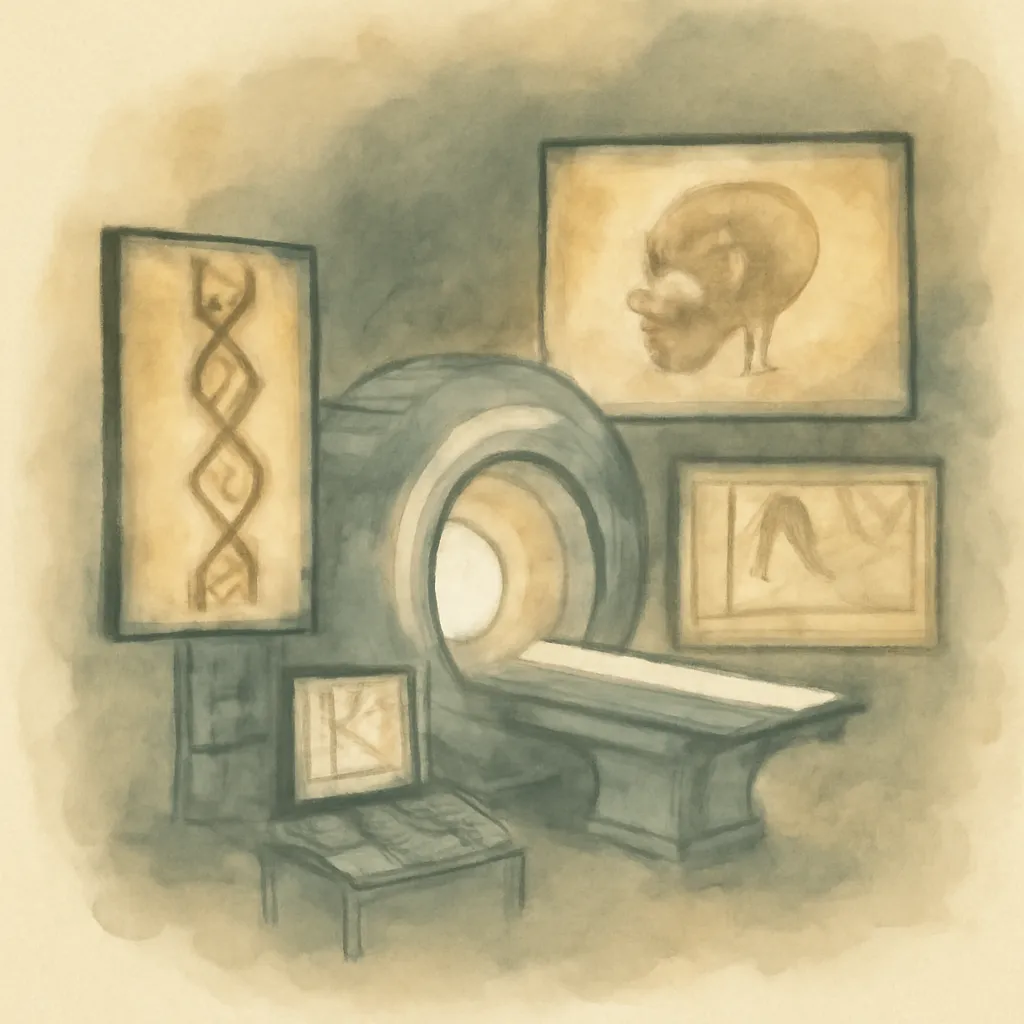
Tattersall acknowledges the transformative effect of technological advances—such as radiometric dating and DNA analysis—on the field. These tools have provided more accurate timelines and unexpected insights, sometimes overturning long-held assumptions. The book highlights how scientific progress is driven not just by new discoveries, but by new ways of seeing and analyzing old evidence.
6.Why Human Evolution Matters
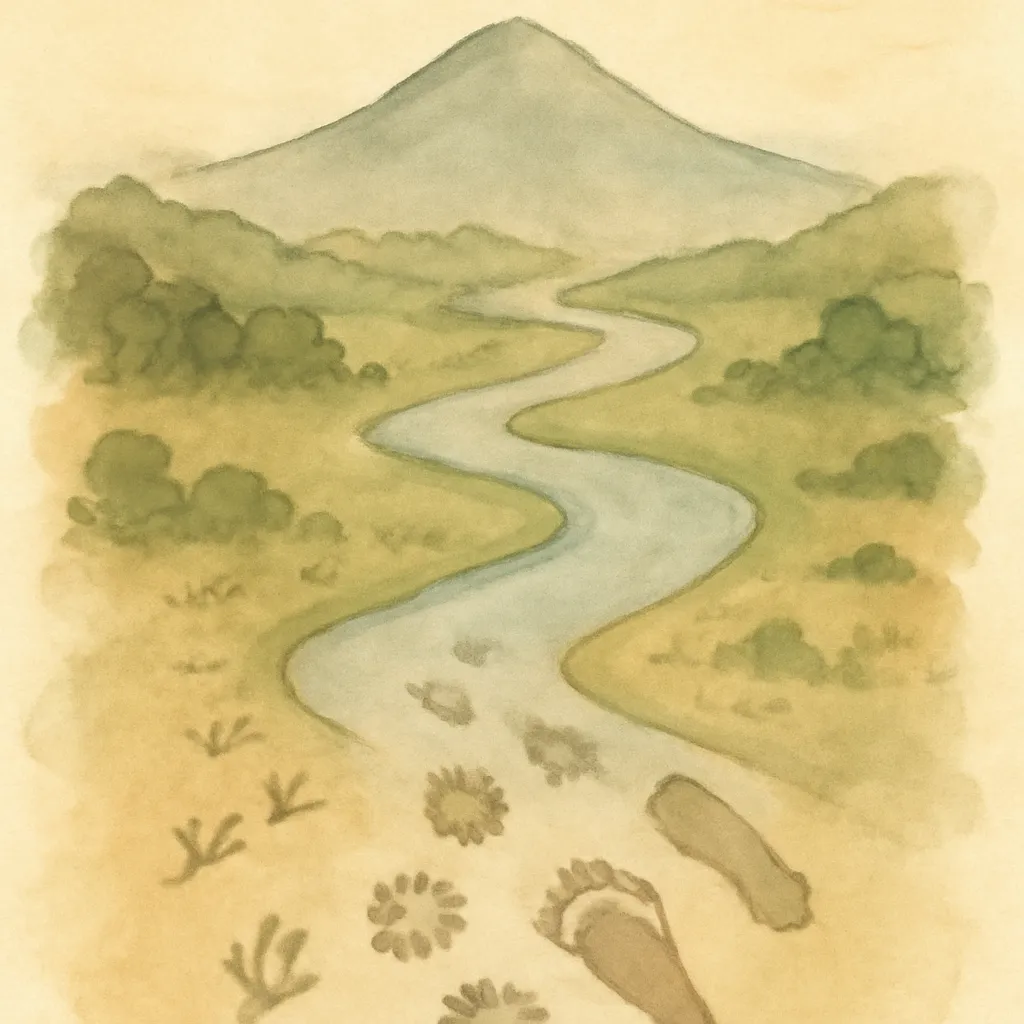
Beyond the scientific intrigue, Tattersall makes the case for why understanding our evolutionary history is important. He argues that tracing our origins helps us appreciate both our uniqueness and our deep connections to the rest of life. The fossil trail, with all its twists and turns, challenges us to confront our place in nature and to remain humble in the face of what we do not yet know.