

Fiction, biographical · Holocaust, jewish (1939-1945), fiction · World war, 1939-1945, fiction
The Tattooist of Auschwitz by Heather Morris — Summary, Key Ideas & Quotes
2018304 pages✦ 3-min Big ideas★ 4.4 (28)
Rate it
This beautiful, illuminating tale of hope and courage is based on interviews that were conducted with Holocaust survivor and Auschwitz-Birkenau tattooist Ludwig (Lale) Sokolov - an unforgettable love story in the midst of atrocity. In April 1942, Lale Sokolov, a Slovakian Jew, is forcibly transported to the concentration camps at Auschwitz-Birkenau. When his captors discover he speaks several languages, he is put to work as a Tätowierer (the German word for "tattooist"), tasked with permanently marking his fellow prisoners. Imprisoned for more than two and a half years, Lale witnesses horrific atrocities and barbarism - but also incredible acts of bravery and compassion. Risking his own life, he uses his privileged position to exchange jewels and money from murdered Jews for food to keep his fellow prisoners alive. One day in July 1942, Lale, prisoner 32407, comforts a trembling young woman waiting in line to have the number 34902 tattooed onto her arm. Her name is Gita, and in that first encounter, Lale vows to somehow survive the camp and marry her. A vivid, harrowing, and ultimately hopeful recreation of Lale Sokolov's experiences as the man who tattooed the arms of thousands of prisoners with what would become one of the most potent symbols of the Holocaust, The Tattooist of Auschwitz is also a testament to the endurance of love and humanity under the darkest possible conditions.
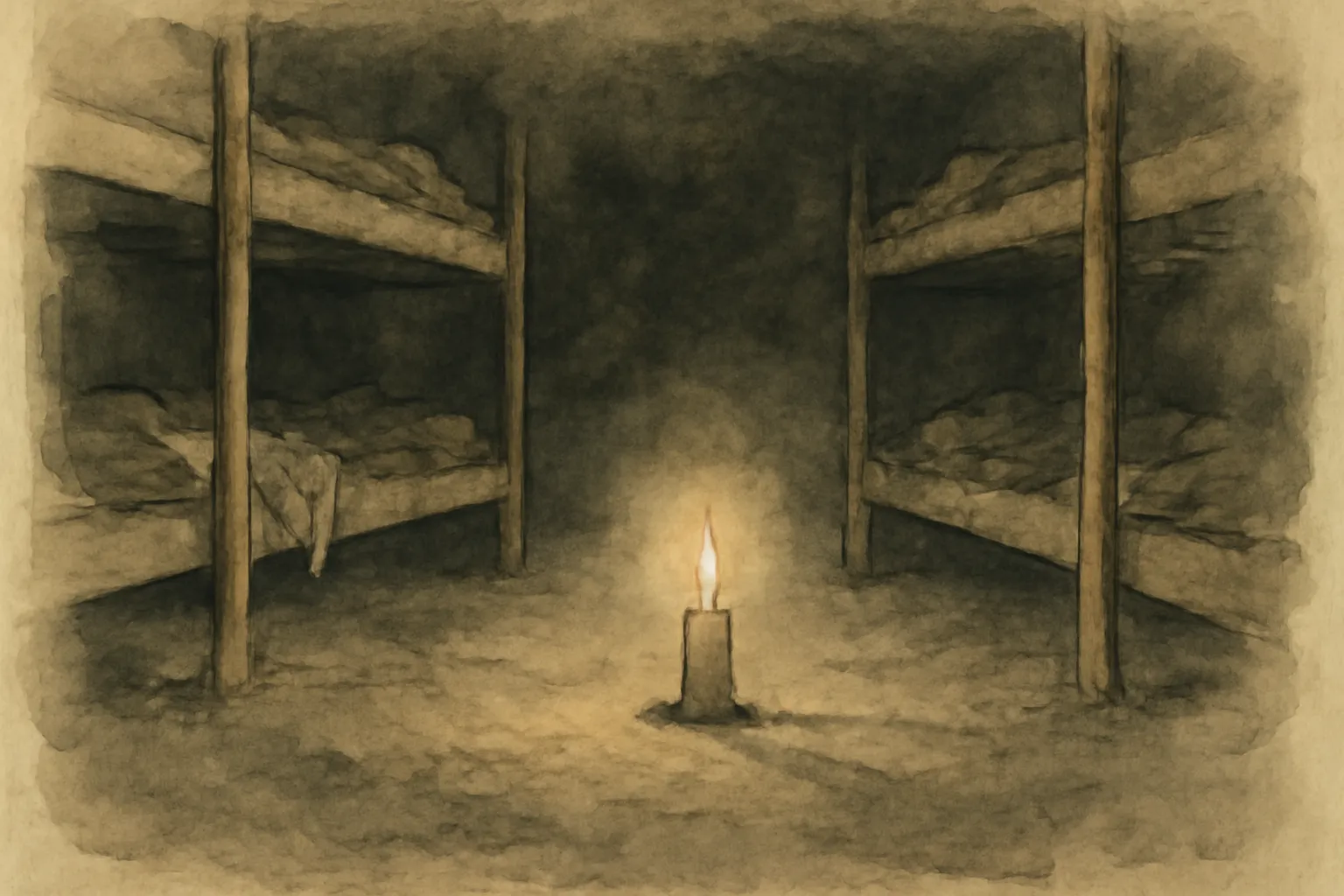
The novel explores the ethical dilemmas faced by those trying to survive in Auschwitz. Lale’s role as the tattooist grants him certain privileges, but also burdens him with guilt and complicity. The story does not shy away from the uncomfortable truth that survival in such an environment often required morally ambiguous choices. Lale’s actions—trading valuables for food, leveraging his position to help others—highlight the gray areas between victimhood and agency, forcing readers to confront the complexity of human behavior under extreme oppression.
At its heart, the book is a love story between Lale and Gita, a fellow prisoner. Their relationship becomes an act of defiance against the dehumanization of the camps. Through secret meetings, small gestures, and whispered promises, their love offers hope and a sense of identity amidst systematic brutality. The narrative suggests that even in the bleakest circumstances, human connection can be a powerful form of resistance, sustaining individuals when all else seems lost.
“To save one is to save the world.”
“If you wake up in the morning, it is a good day.”