1.Survival and Moral Complexity
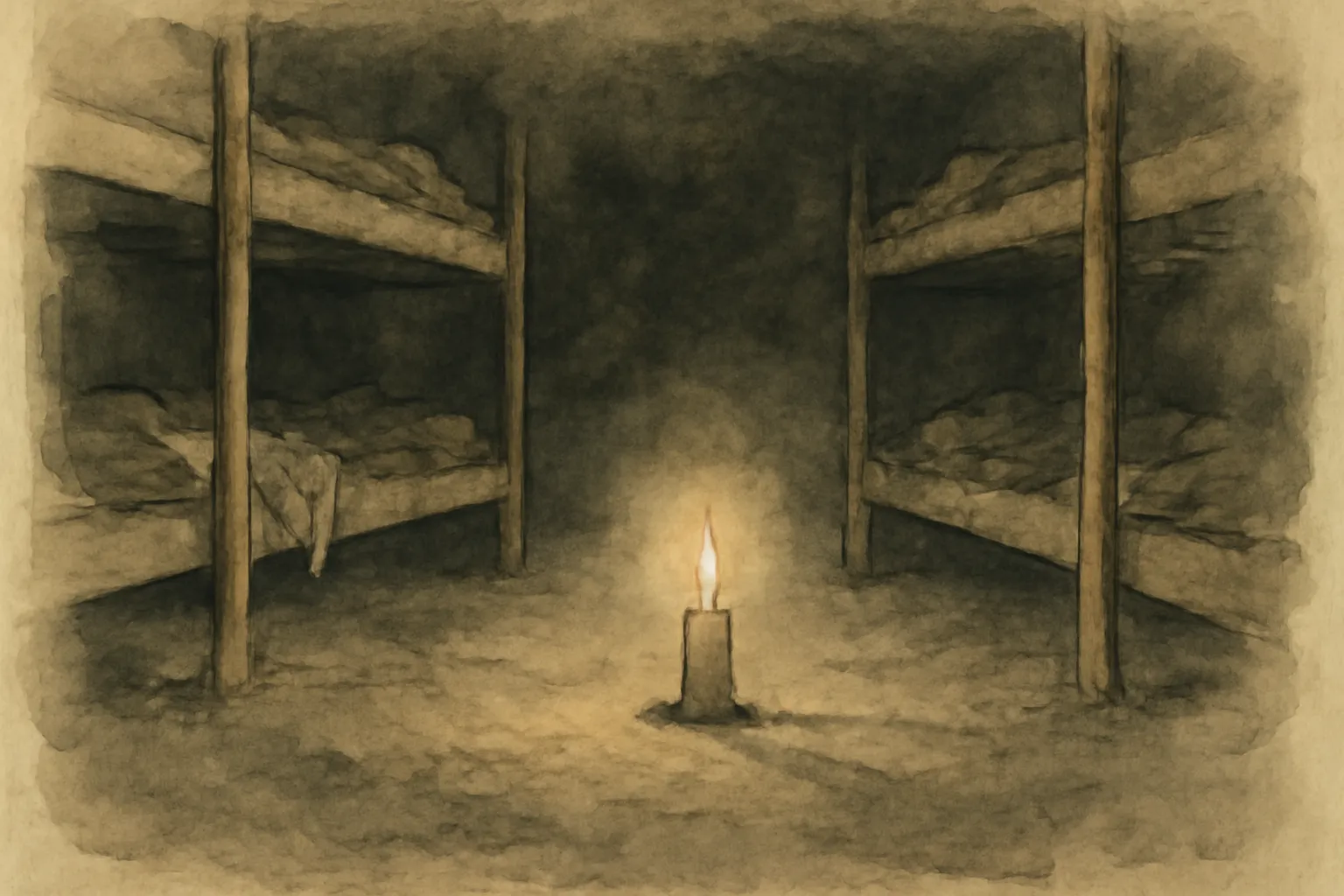
The novel explores the ethical dilemmas faced by those trying to survive in Auschwitz. Lale’s role as the tattooist grants him certain privileges, but also burdens him with guilt and complicity. The story does not shy away from the uncomfortable truth that survival in such an environment often required morally ambiguous choices. Lale’s actions—trading valuables for food, leveraging his position to help others—highlight the gray areas between victimhood and agency, forcing readers to confront the complexity of human behavior under extreme oppression.
2.Love as Resistance
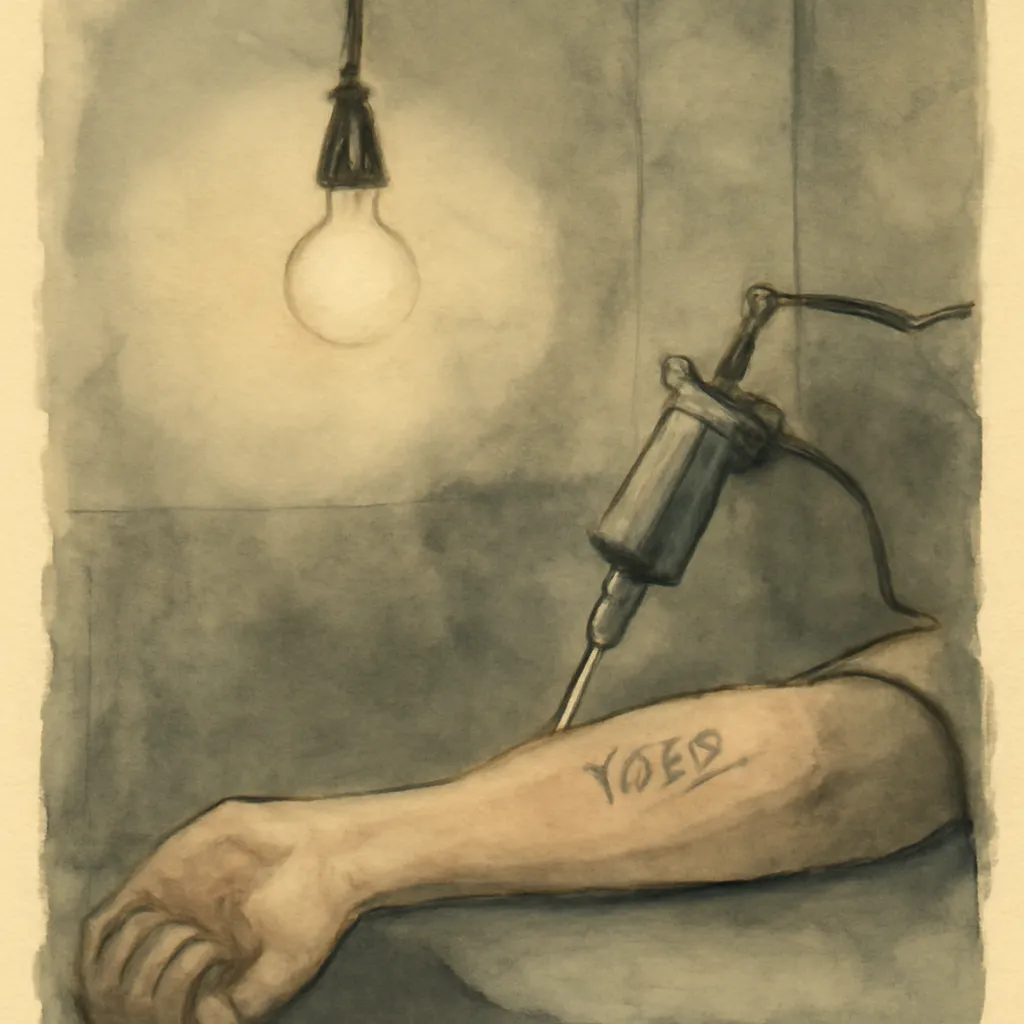
At its heart, the book is a love story between Lale and Gita, a fellow prisoner. Their relationship becomes an act of defiance against the dehumanization of the camps. Through secret meetings, small gestures, and whispered promises, their love offers hope and a sense of identity amidst systematic brutality. The narrative suggests that even in the bleakest circumstances, human connection can be a powerful form of resistance, sustaining individuals when all else seems lost.
3.Bearing Witness to Atrocity
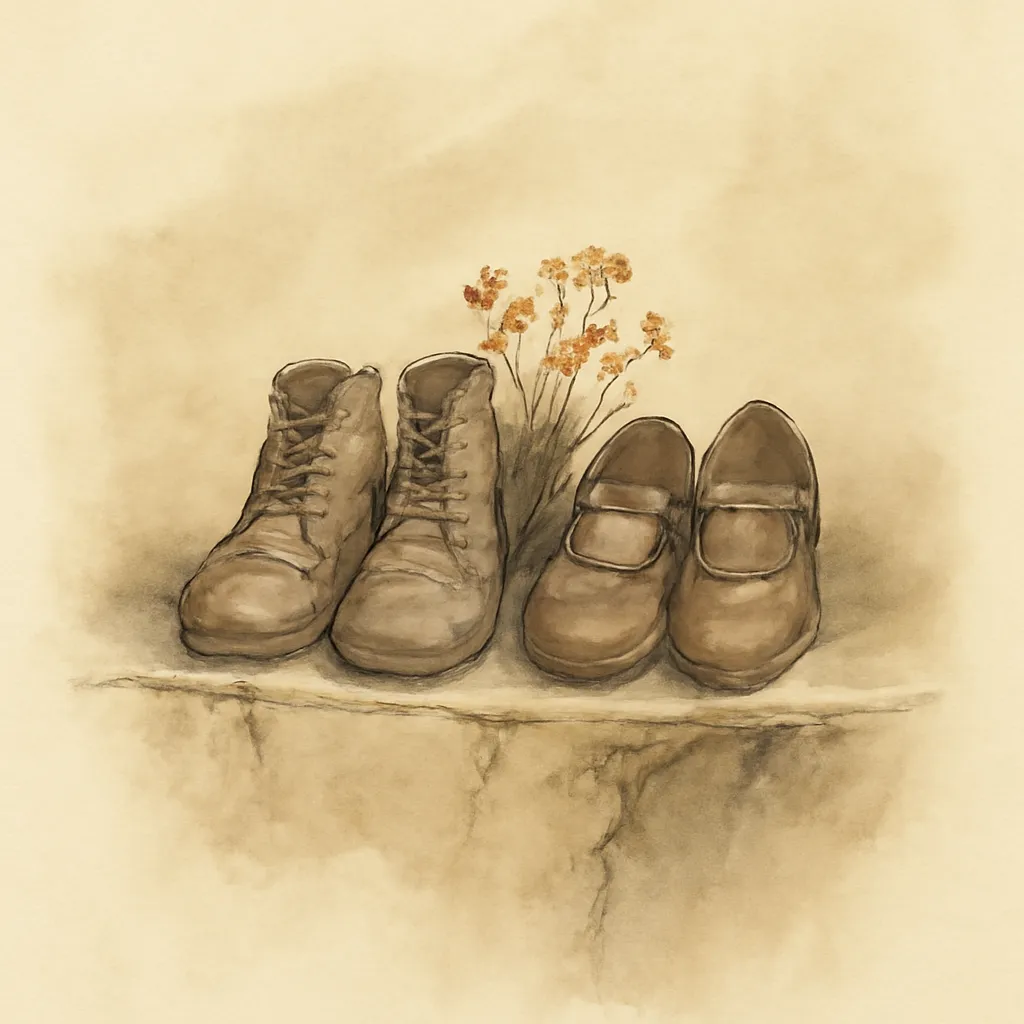
By focusing on Lale’s firsthand experiences, the novel personalizes the enormity of the Holocaust. The details of daily life—the routines, the terror, the fleeting moments of kindness—make the historical tragedy tangible and immediate. The story serves as a reminder of the importance of bearing witness, both to honor those who suffered and to ensure that such horrors are never forgotten or repeated.
4.Hope and the Human Spirit
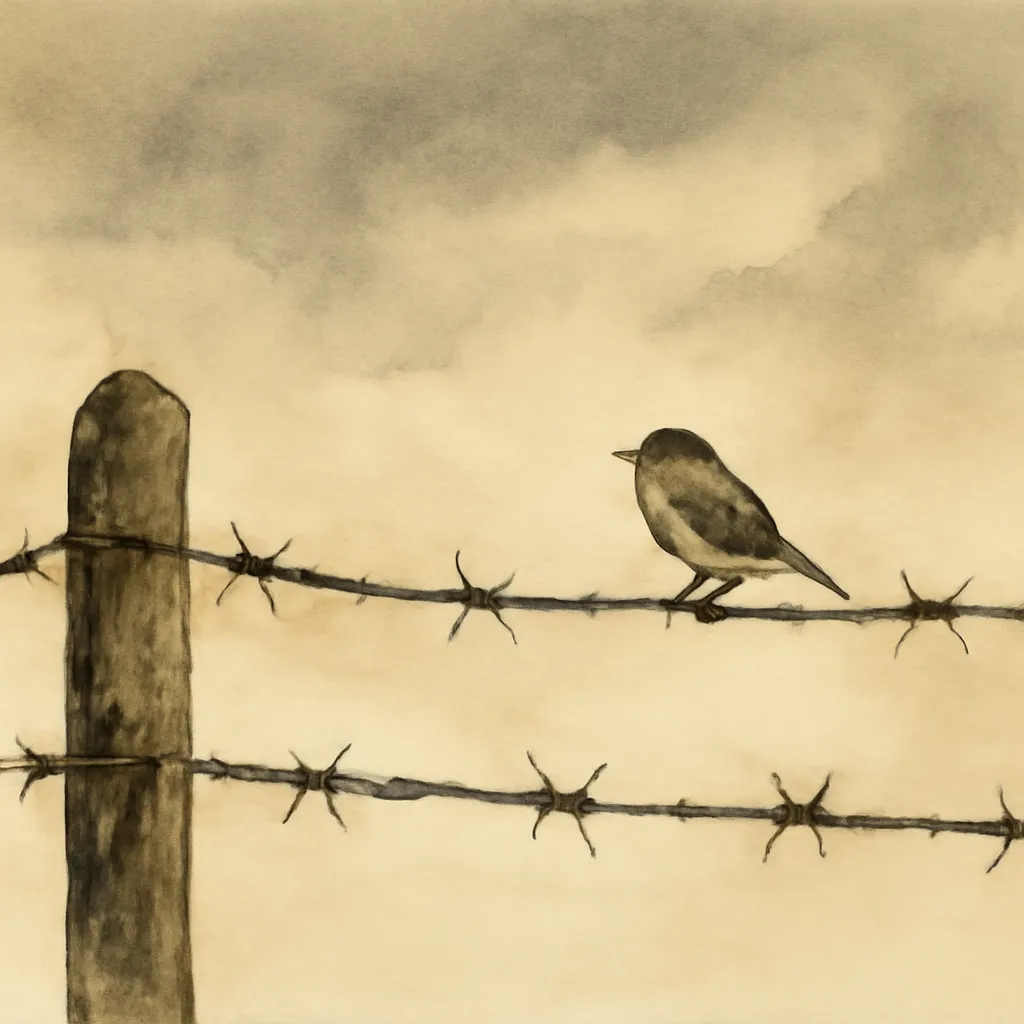
Despite its grim setting, the book is ultimately a story of hope. Lale’s determination to survive, to help others, and to imagine a future with Gita demonstrates the resilience of the human spirit. The narrative insists that even in the face of overwhelming evil, individuals can choose hope, kindness, and love. This message resonates beyond the specific historical context, offering inspiration to readers confronting their own challenges.
5.Memory, Testimony, and Storytelling
The Tattooist of Auschwitz is based on the real-life testimony of Lale Sokolov, as told to Heather Morris. The act of sharing his story—after decades of silence—underscores the importance of testimony in preserving history and healing trauma. The novel raises questions about memory, the reliability of personal narrative, and the ethical responsibilities of those who tell and retell such stories. It invites readers to consider how stories shape our understanding of the past and our responsibilities to the future.