
DNA · Scientists · Biophysicists
The Third Man of the Double Helix by Maurice Wilkins — Summary, Key Ideas & Quotes
2003274 pages✦ 3-min Big ideas
Rate it
"Francis Crick and Jim Watson are well known for their discovery of the structure of DNA in Cambridge in 1953. But they shared the Nobel Prize for their discovery of the Double Helix with a third man, Maurice Wilkins, a diffident physicist who did not enjoy the limelight. He and his team at King's College London had painstakingly measured the angles, bonds, and orientations of the DNA structure - data that inspired Crick and Watson's celebrated model - and they then spent many years demonstrating that Crick and Watson were right before the Prize was awarded in 1962. Wilkin's career had already embraced another momentous and highly controversial scientific achievement - he had worked during World War II on the atomic bomb project - and he was to face a new controversy in the 1970s when his co-worker at King's, the late Rosalind Franklin, was proclaimed the unsung heroine of the DNA story, and he was accused of exploiting her work." "Now aged 86, Maurice Wilkins marks the fiftieth anniversary of the discovery of the Double Helix by telling, for the first time, his own story of the discovery of the DNA structure and his relationship with Rosalind Franklin. He also describes a life and career spanning many continents, from his idyllic early childhood in New Zealand via the Birmingham suburbs to Cambridge, Berkeley, and London, and recalls his encounters with distinguished scientists including Arthur Eddington, Niels Bohr, and J.D. Bernal. He also reflects on the role of scientists in a world still coping with the Bomb and facing the implications of the gene revolution, and considers, in this intimate history, the successes, problems, and politics of nearly a century of science."--Jacket.
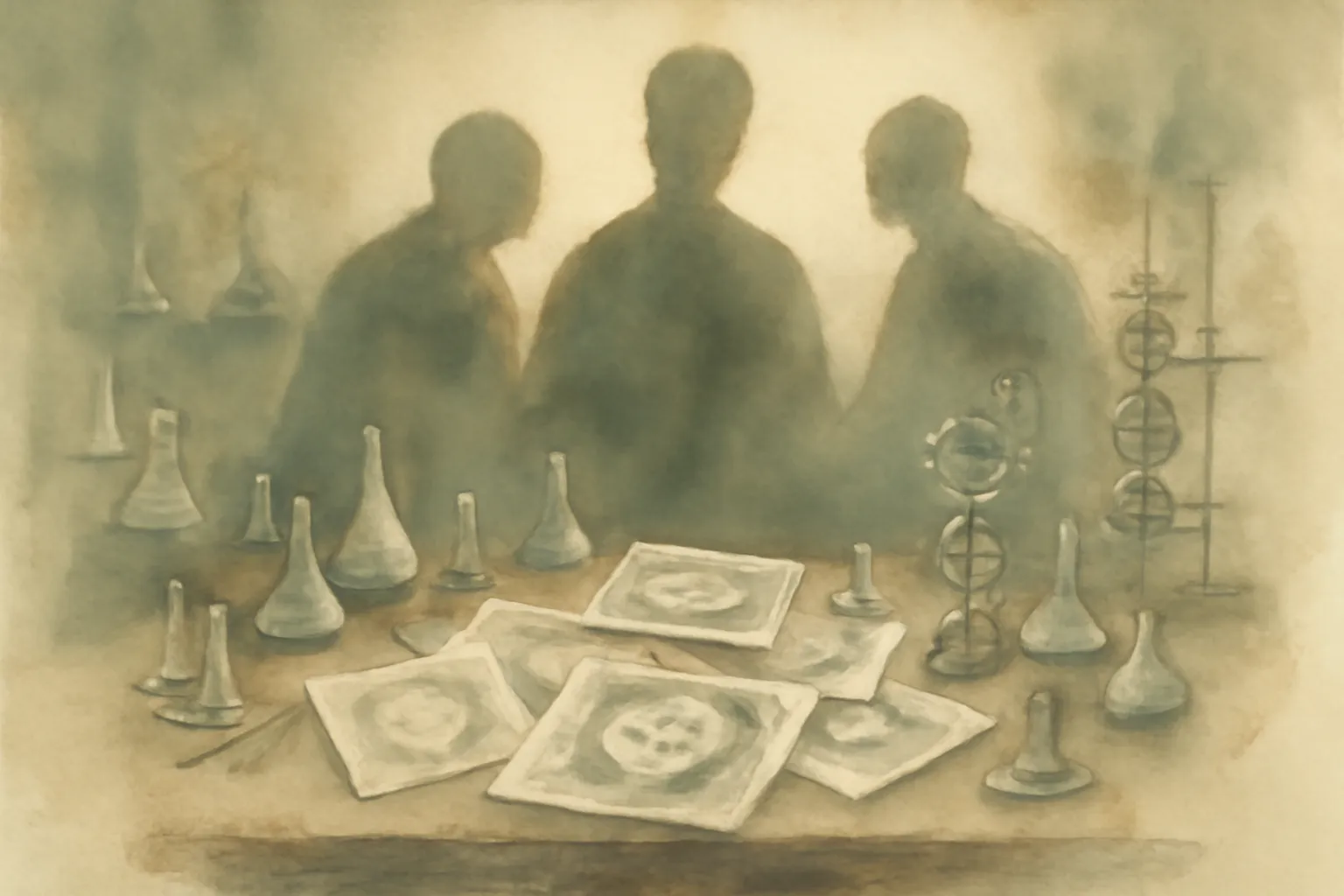
Wilkins emphasizes that the discovery of DNA’s structure was not the work of isolated geniuses, but a collective achievement built on the painstaking labor of many. He details the crucial contributions of his King's College team, whose X-ray diffraction images and measurements provided the empirical foundation for Watson and Crick’s model. Wilkins’s narrative challenges the myth of the lone scientific hero, highlighting the messy, collaborative, and sometimes contentious reality of major scientific advances.
The book explores the complex web of personalities—Wilkins’s own reserved nature, Franklin’s determination, and Watson and Crick’s brashness—that shaped the DNA race. Wilkins reflects on misunderstandings and miscommunications, especially with Rosalind Franklin, and how these interpersonal dynamics influenced the pace and recognition of discovery. This theme offers readers insight into how human factors can both drive and hinder scientific progress.