1.The Unsung Role of Team Science
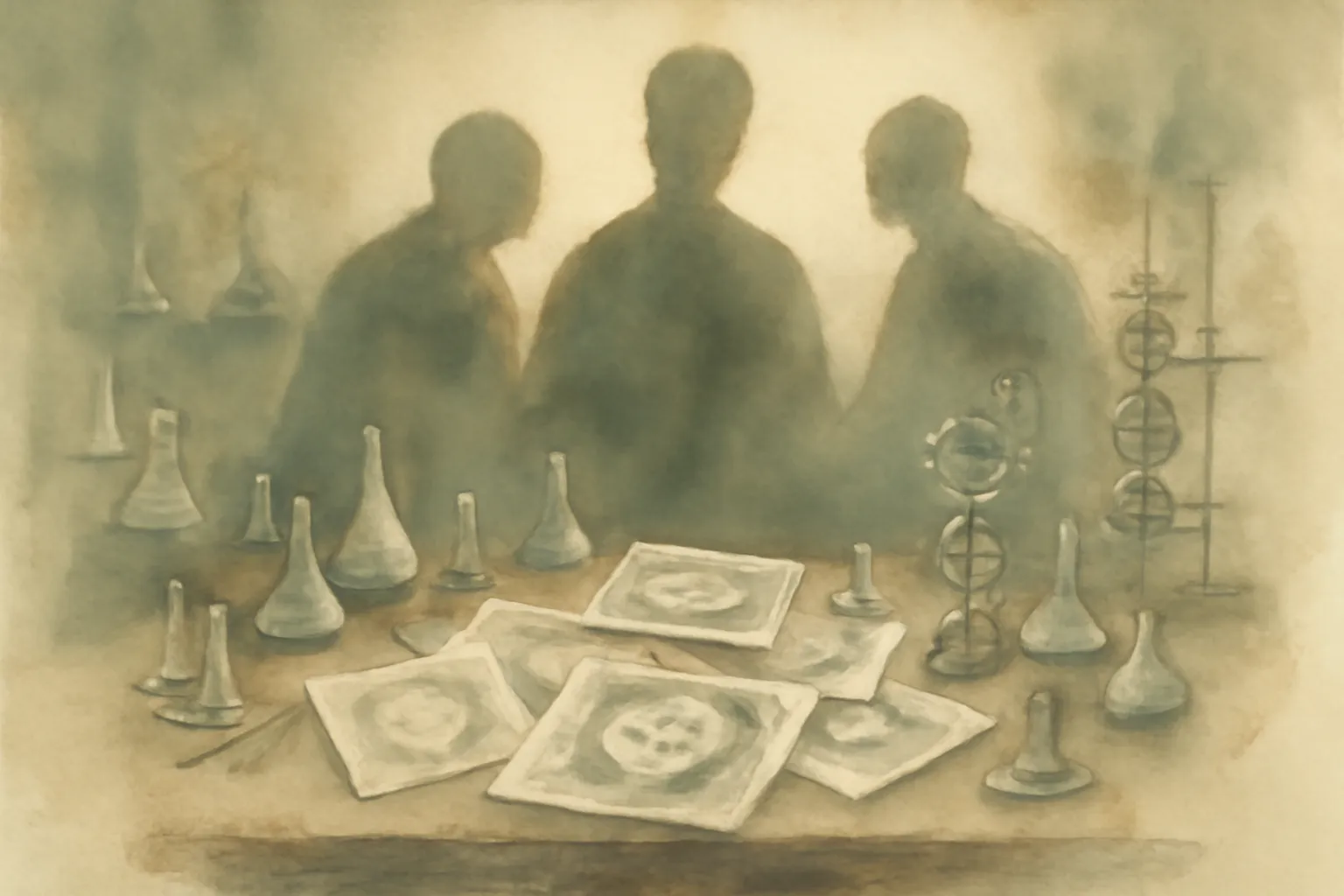
Wilkins emphasizes that the discovery of DNA’s structure was not the work of isolated geniuses, but a collective achievement built on the painstaking labor of many. He details the crucial contributions of his King's College team, whose X-ray diffraction images and measurements provided the empirical foundation for Watson and Crick’s model. Wilkins’s narrative challenges the myth of the lone scientific hero, highlighting the messy, collaborative, and sometimes contentious reality of major scientific advances.
2.Personalities and Rivalries in Scientific Discovery
The book explores the complex web of personalities—Wilkins’s own reserved nature, Franklin’s determination, and Watson and Crick’s brashness—that shaped the DNA race. Wilkins reflects on misunderstandings and miscommunications, especially with Rosalind Franklin, and how these interpersonal dynamics influenced the pace and recognition of discovery. This theme offers readers insight into how human factors can both drive and hinder scientific progress.
3.The Ethics of Credit and Recognition
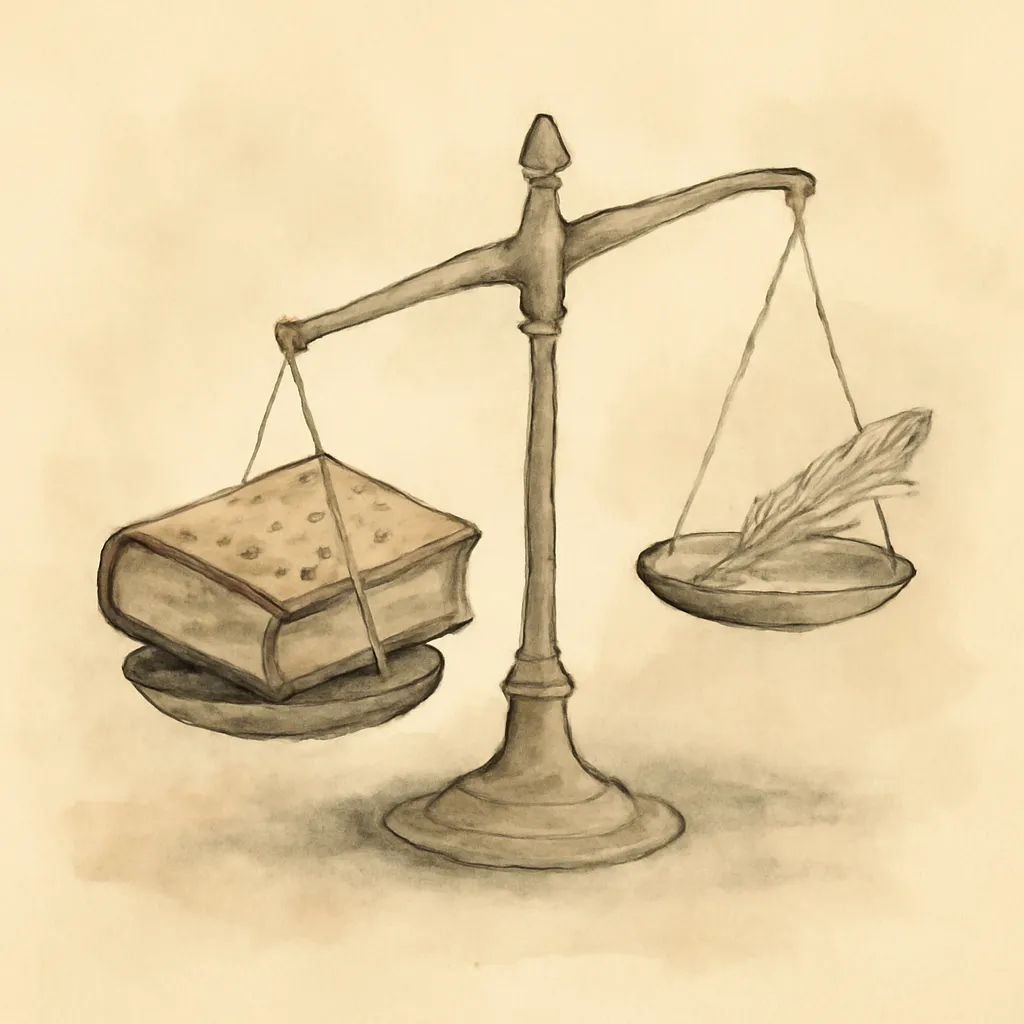
Wilkins confronts the controversies over credit, particularly the posthumous debate about Rosalind Franklin’s role. He defends his actions while acknowledging the ambiguities and ethical gray areas surrounding the sharing of data and recognition. The memoir invites readers to consider how history is written, who gets remembered, and the moral responsibilities of scientists in collaborative work.
4.Science in the Shadow of War
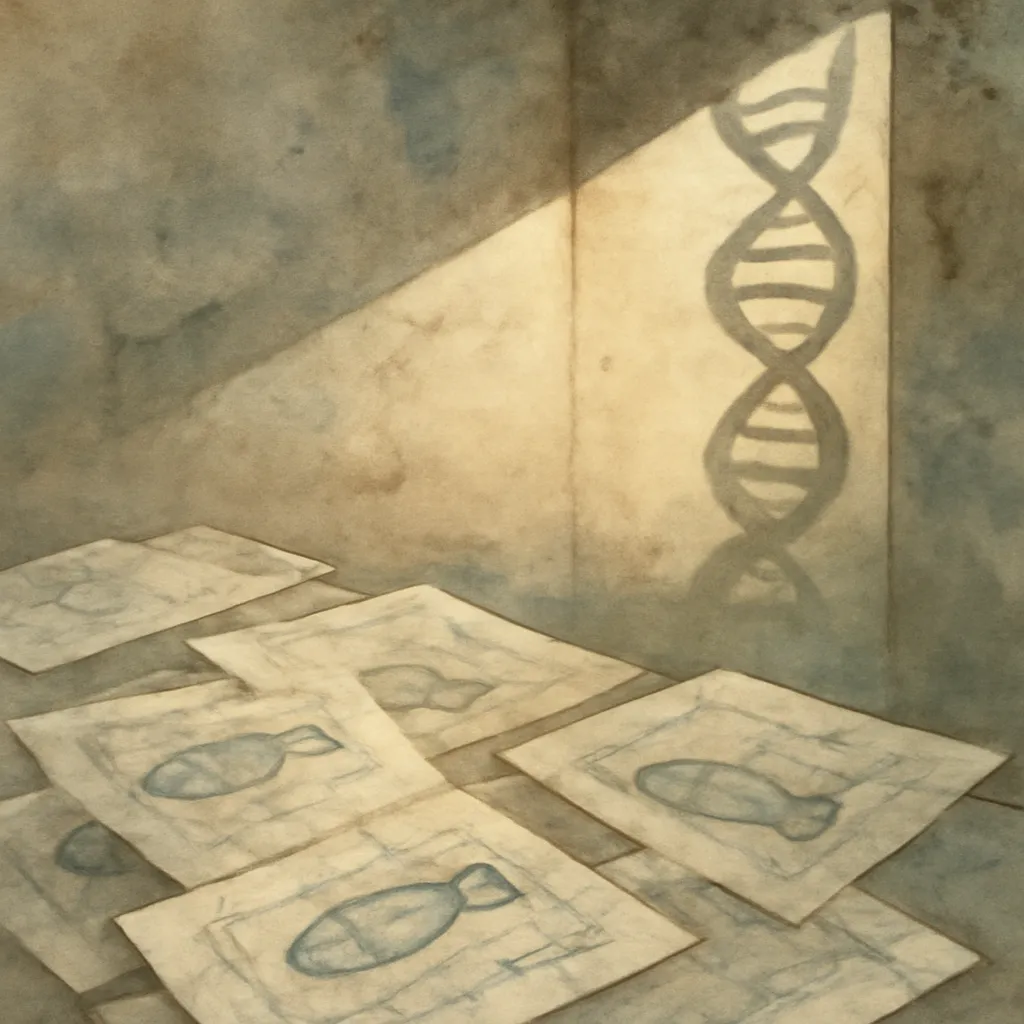
Wilkins’s early career in the Manhattan Project and his later involvement in DNA research place him at the heart of two of the twentieth century’s most consequential scientific developments. He reflects on the moral weight of contributing to the atomic bomb and the contrasting promise of genetic science, offering a unique perspective on the dual-edged nature of scientific progress.
5.The Nature of Scientific Curiosity
Throughout the memoir, Wilkins reflects on what drives scientists—the thrill of discovery, the frustration of setbacks, and the persistent curiosity that fuels research. He shares moments of doubt, excitement, and perseverance, giving readers a window into the emotional landscape of scientific inquiry.
6.Legacy and the Shaping of Scientific History
Wilkins is acutely aware of how the story of DNA has been told and retold, often sidelining key contributors. He uses his memoir to set the record straight, not only for himself but for the many whose work underpinned the double helix discovery. The book is both a personal testament and a broader meditation on how scientific legacies are constructed.