Contagion (Social psychology) · Business · Causation
The Tipping Point by Malcolm Gladwell — Summary, Key Ideas & Quotes
2000288 pages✦ 3-min Big ideas★ 3.8 (99)
Rate it
"New Yorker writer Malcolm Gladwell looks at why major changes in our society so often happen suddenly and unexpectedly. Ideas, behavior, messages, and products, he argues, often spread like outbreaks of infectious disease. Just as a single sick person can start an epidemic of the flu, so too can a few fare-beaters and graffiti artists fuel a subway crime wave, or a satisfied customer fill the empty tables of a new restaurant. These are social epidemics, and the moment when they take off, when they reach their critical mass, is the Tipping Point.". "Gladwell introduces us to the particular personality types who are natural pollinators of new ideas and trends, the people who create the phenomenon of word of mouth. He analyzes fashion trends, smoking, children's television, direct mail, and the early days of the American Revolution for clues about making ideas infectious, and visits a religious commune, a successful high-tech company, and one of the world's greatest salesmen to show how to start and sustain social epidemics."--BOOK JACKET.
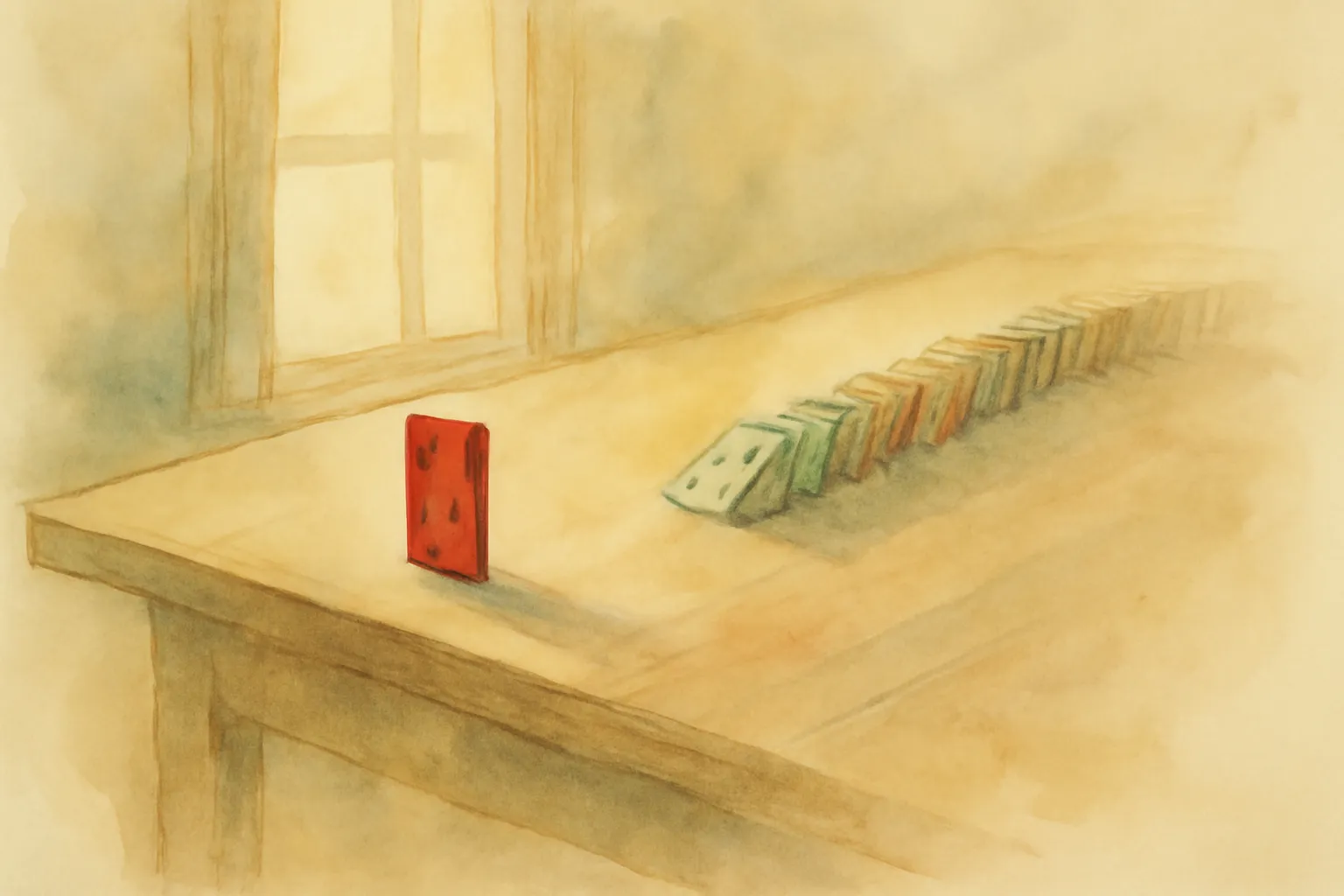
Gladwell's central thesis is that social change behaves like an epidemic: it builds slowly, then suddenly surges when it hits a critical threshold—the 'tipping point.' This is the moment when an idea, trend, or behavior crosses a line and spreads rapidly through society. Understanding this concept helps explain why some products, fads, or social movements take off seemingly overnight, while others languish.
Not everyone is equally influential in spreading ideas. Gladwell identifies three key personality types: Connectors (people with wide social networks), Mavens (information specialists who love to share knowledge), and Salesmen (persuasive communicators). These 'few' individuals play a disproportionate role in igniting social epidemics, acting as catalysts who connect, inform, and persuade others.
“The tipping point is that magic moment when an idea, trend, or social behavior crosses a threshold, tips, and spreads like wildfire.”
“Look at the world around you. It may seem like an immovable, implacable place. It is not. With the slightest push—in just the right place—it can be tipped.”