1.The Tipping Point Concept
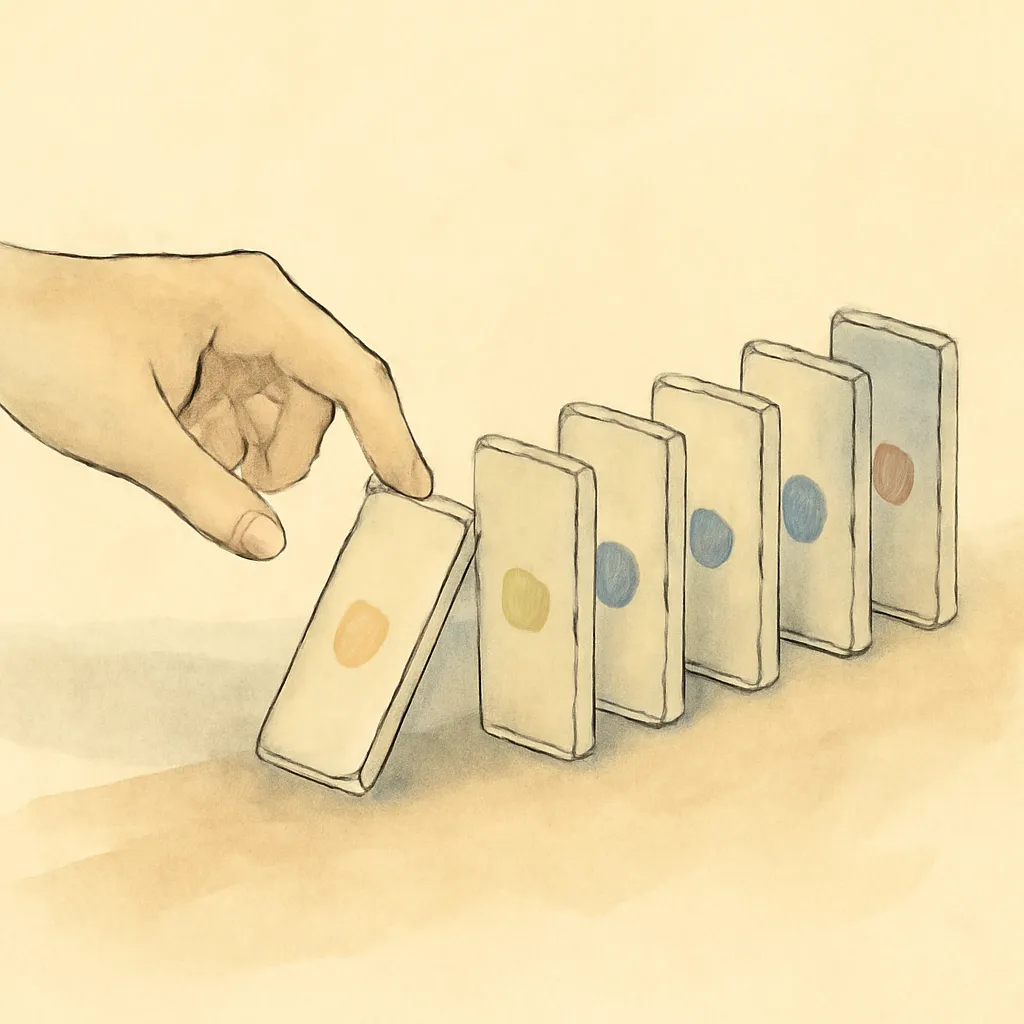
Gladwell's central thesis is that social change behaves like an epidemic: it builds slowly, then suddenly surges when it hits a critical threshold—the 'tipping point.' This is the moment when an idea, trend, or behavior crosses a line and spreads rapidly through society. Understanding this concept helps explain why some products, fads, or social movements take off seemingly overnight, while others languish.
2.The Law of the Few
Not everyone is equally influential in spreading ideas. Gladwell identifies three key personality types: Connectors (people with wide social networks), Mavens (information specialists who love to share knowledge), and Salesmen (persuasive communicators). These 'few' individuals play a disproportionate role in igniting social epidemics, acting as catalysts who connect, inform, and persuade others.
3.The Stickiness Factor
For an idea to spread, it must be 'sticky'—memorable and impactful enough to prompt people to act or share it. Gladwell examines how small changes in messaging, presentation, or context can dramatically increase an idea's stickiness. He uses examples like 'Sesame Street' and 'Blue's Clues' to show how subtle tweaks can make content more engaging and influential.
4.The Power of Context
Environmental factors and timing matter as much as the message itself. Gladwell argues that people's behavior is powerfully shaped by their surroundings and circumstances. He cites the 'broken windows theory' in New York City, where cleaning up graffiti and cracking down on minor crimes helped trigger a dramatic drop in overall crime rates. Small shifts in context can tip the balance toward major change.
5.Social Epidemics Are Controllable
Gladwell suggests that by understanding the mechanics of tipping points, individuals and organizations can intentionally spark or suppress social epidemics. Whether launching a new product, spreading a public health message, or fighting crime, targeted interventions—especially those focused on the few key influencers or small environmental tweaks—can have outsized effects.
6.Unintended Consequences and Ethical Implications
While the book is optimistic about harnessing tipping points for good, Gladwell also hints at the double-edged nature of social epidemics. The same principles that spread positive change can also fuel harmful fads, misinformation, or destructive behaviors. This raises questions about responsibility and the ethical use of influence.