Fiction
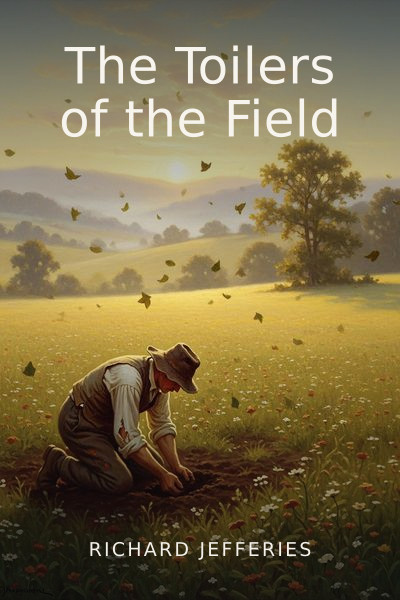
The Toilers of the Field by Richard Jefferies — Summary, Key Ideas & Full Text
209 pages6 chapters4h 12m read2h 59m speed read✦ 9-min Big ideasFree · no account
Rate it
Explore the intricate lives of agricultural laborers and the rural landscape in 19th-century England through Richard Jefferies' evocative prose
In 'The Toilers of the Field,' Richard Jefferies delves into the lives of those who cultivate the soil, offering a vivid portrayal of rural England in the late 19th century. This collection of essays and letters provides a unique insight into the daily existence of agricultural laborers, their struggles, and the beauty of the natural world surrounding them. Readers will discover not just the hardships faced by these workers but also the rich tapestry of life that flourishes in the countryside. Jefferies' observations illuminate the connection between the land and its people, emphasizing the dignity of labor and the profound impact of nature on human life. Through his lyrical writing, readers will be invited to reflect on the changing landscape of rural society and the enduring spirit of its inhabitants.
Richard Jefferies' 'The Toilers of the Field' is a profound exploration of rural life that transcends its time, offering insights into the human condition and the intricate relationship between people and their environment. Through vivid descriptions and poignant narratives, Jefferies captures the essence of agricultural labor, the struggles of its workers, and the beauty of the natural world. His work serves as a reminder of the dignity of labor and the importance of community, while also addressing the pressing social issues of his day. By immersing readers in the lives of the toilers of the field, Jefferies invites a deeper understanding of the complexities of rural existence, highlighting the enduring relevance of these themes in contemporary society. Ultimately, his writings call for empathy and awareness, urging us to recognize the humanity in those who cultivate the land that sustains us all.
“His food may, perhaps, have something to do with the deadened slowness which seems to pervade everything he does—there seems a lack of vitality about him.”
“I be goin' to die.”
“Thee must promise I one thing.”
Richard Jefferies has 2 works free to read on Lumina, including Wood Magic: A Fable
All 2 books by Richard Jefferies →