1.The Life of the Wiltshire Labourer
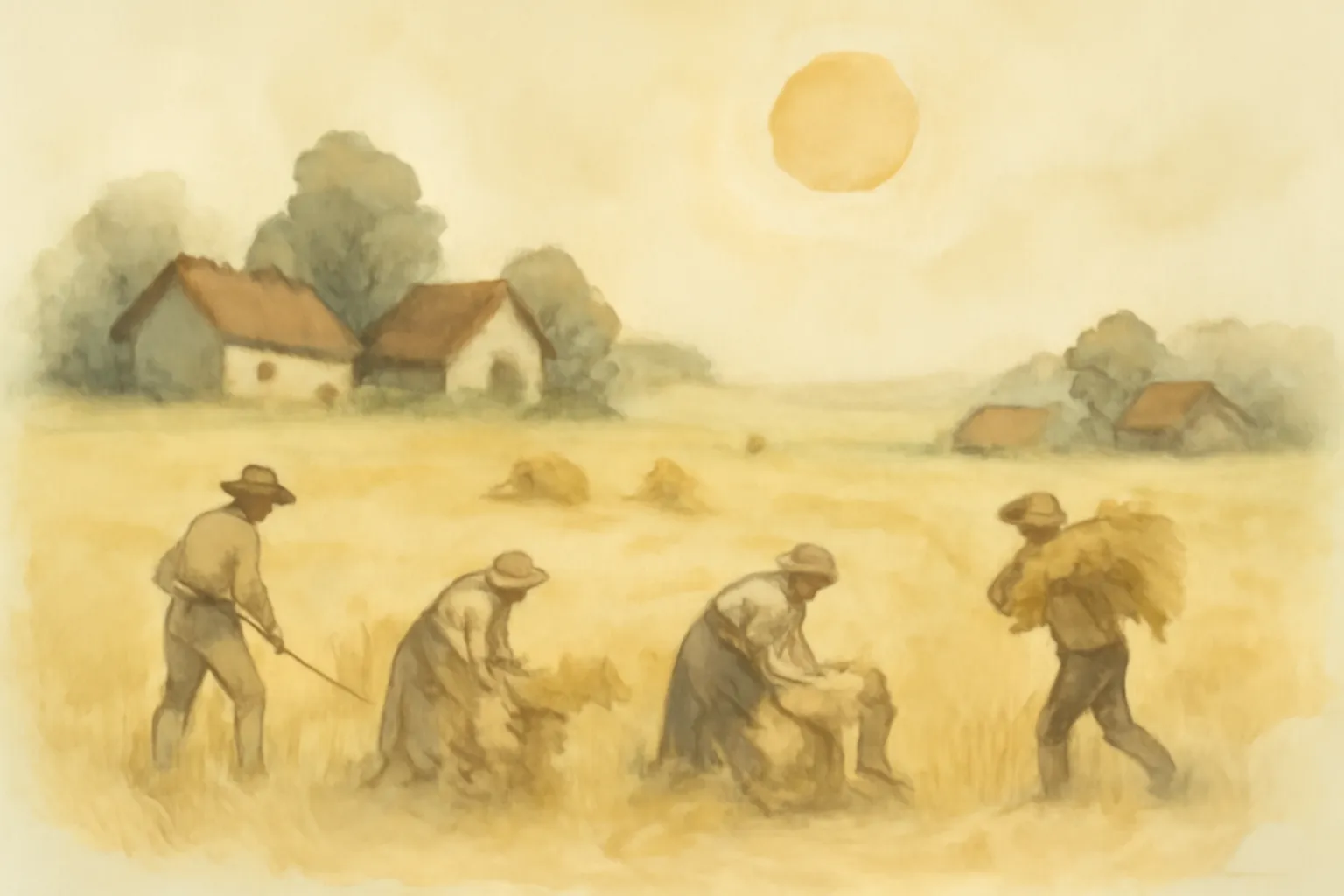
Jefferies paints a portrait of the Wiltshire agricultural laborer, illustrating a life marked by both physical toil and economic struggle. He notes that while these laborers are robustly built, their movements are often lumbering, a result of their upbringing in the fields. The laborer's diet consists mainly of bread, cheese, and inexpensive bacon, supplemented by the vegetables they grow in their gardens. This simple fare lacks the culinary finesse seen in other cultures, reflecting a broader pattern of poverty and limited access to variety. Jefferies conveys a sense of vitality missing from the laborers' lives, hinting at the toll that their relentless work and meager nourishment take on their spirits. He contrasts their existence with that of more affluent workers, underscoring the disparities in wages and living conditions within the agricultural sector.
2.Cottages and Living Conditions
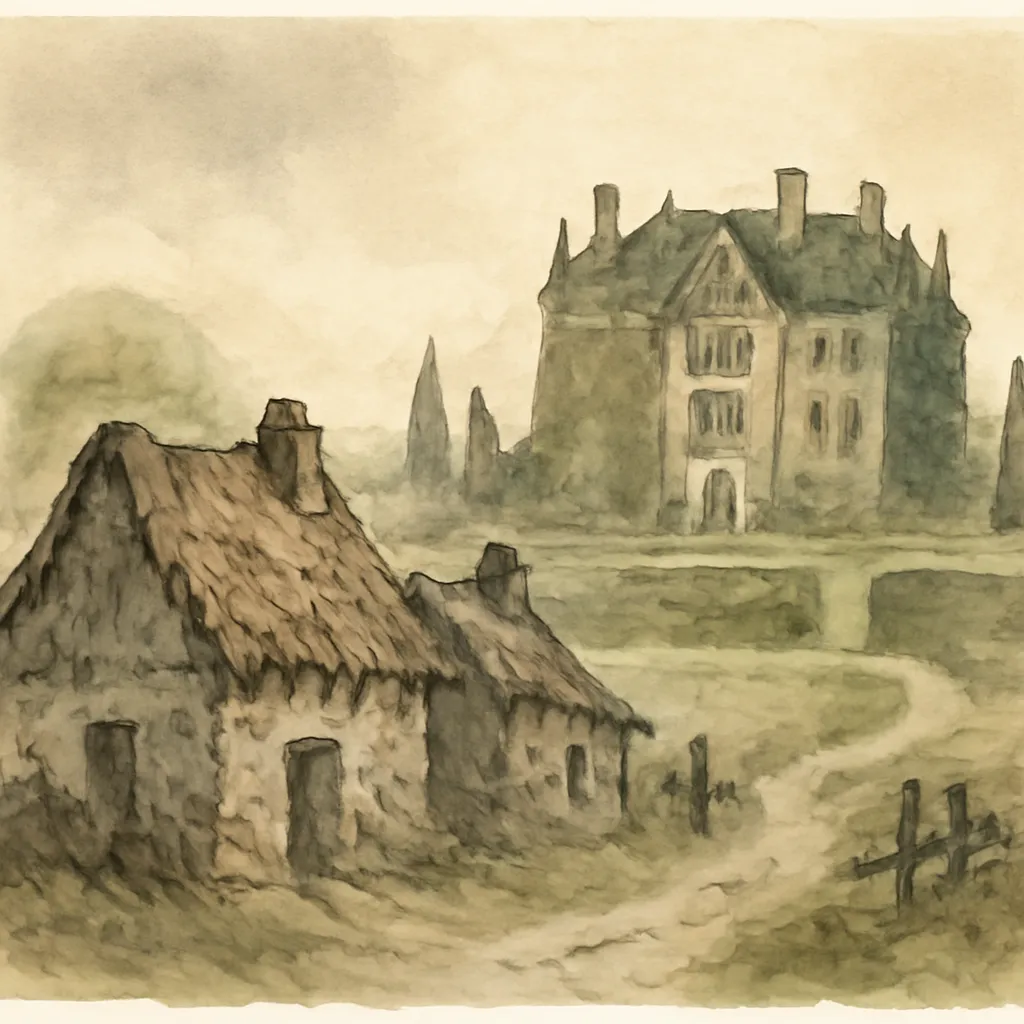
The quality of housing for agricultural laborers becomes a focal point for Jefferies, who argues that while some cottages are indeed suitable for human habitation, many remain inadequate. He defends the efforts of landlords who have replaced dilapidated structures with better accommodations, emphasizing that modern cottages are often spacious and well-appointed. However, he also acknowledges the reluctance of laborers to leave their ancestral homes, even if those homes are subpar. This attachment to place speaks to the deep-rooted connection between the laborer and the land they work. Jefferies points out the irony that while new cottages may be built, the insistence on including a third bedroom can complicate the economics of construction, leading to delays in providing adequate housing. This reflects a broader commentary on the systemic issues affecting rural life and the challenges of improving living conditions.
3.Celebrations and Community Life
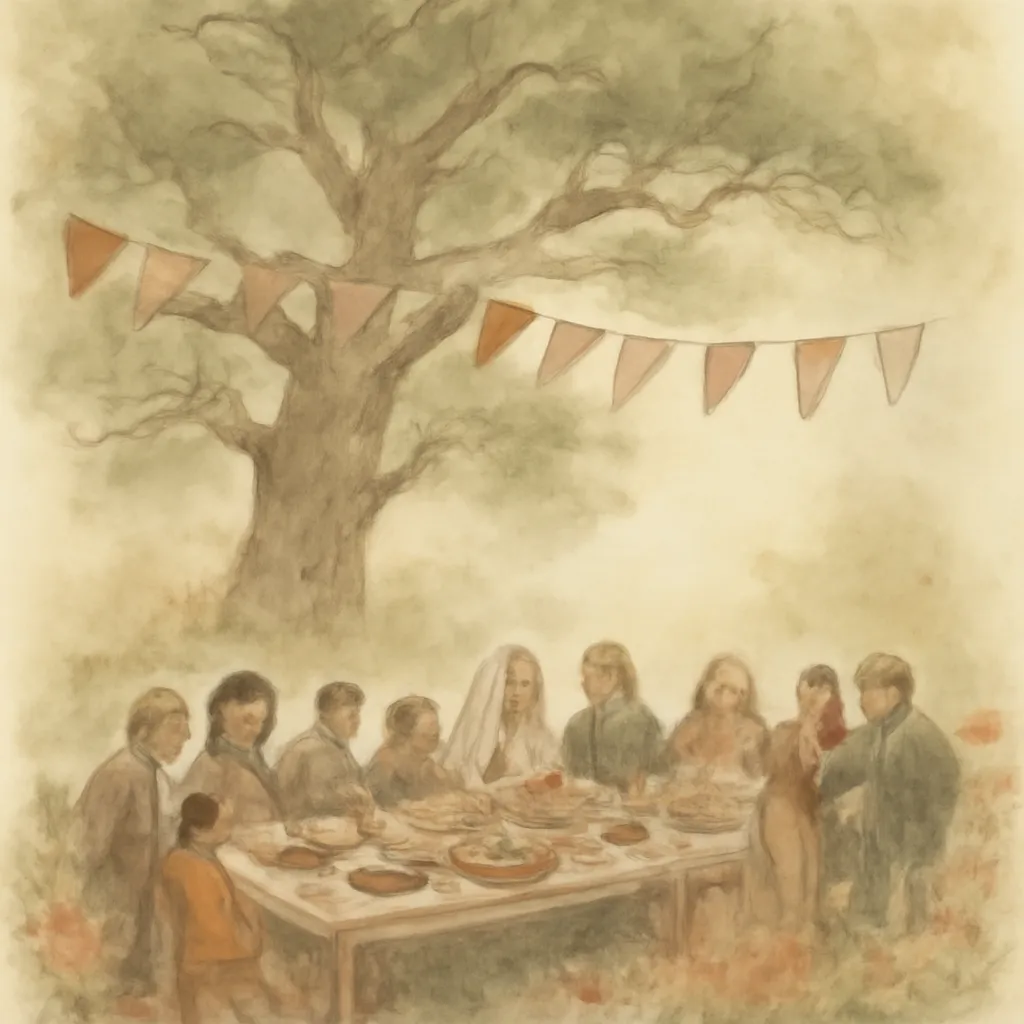
Jefferies captures the vibrancy of rural festivities, as seen in the wedding of Absalom and Madge, which serves as a microcosm of village life. The joyous occasion is marked by laughter, camaraderie, and a sense of belonging among the community members. Jefferies describes the picturesque setting, with the bridal party making their way through the fields towards the church, embodying the connection between the people and their landscape. The celebration is not just a personal milestone but a communal event that strengthens social bonds. However, the festivities also reveal underlying tensions, such as the harsh realities of labor and the economic struggles that persist even in times of joy. The contrast between celebration and the laborious lives of the characters highlights the duality of rural existence—where moments of happiness are often intertwined with hardship.
4.The Cycle of Life and Death
In a poignant exploration of mortality, Jefferies illustrates the stark realities faced by the aging population in rural communities. The character of Madge’s mother embodies the struggles of laborers who have spent their lives working the land, ultimately succumbing to the ravages of time and toil. Her deathbed scene is marked by a raw acceptance of fate, stripped of sentimentality, as she prepares Madge for the harsh realities of life without her. The old woman’s request for a proper burial underscores the dignity that remains even in death, reflecting the importance of legacy and remembrance within the community. This theme of life and death is woven throughout the narratives, serving as a reminder of the transient nature of existence and the enduring impact of human connections. Jefferies’ treatment of death is both respectful and unflinching, capturing the essence of rural life where the cycle of birth and demise is a constant presence.
5.Nature as a Character
Nature plays a central role in Jefferies' work, almost serving as another character in the narratives. He meticulously describes the changing seasons, with particular emphasis on the arrival of summer, which brings a sense of renewal and vibrancy to the landscape. His observations of the June sky and the lushness of the oaks create a vivid backdrop for the human dramas unfolding. Jefferies’ appreciation for the natural world is palpable, as he details the intricate relationships between flora and fauna, and the impact of the seasons on agricultural practices. This celebration of nature highlights its power to shape human experiences, providing both sustenance and solace to those who work the land. Through his lyrical prose, Jefferies invites readers to reflect on the beauty of the countryside and its profound influence on the lives of its inhabitants.
6.Economic Disparities in Rural Life
Jefferies does not shy away from addressing the economic inequalities that permeate rural society. He contrasts the lives of laborers with those of wealthier landowners, illustrating the stark differences in living conditions, opportunities, and access to resources. The letters to the Times reveal his advocacy for better treatment and conditions for agricultural workers, as he calls attention to their plight and the systemic barriers they face. He argues that the welfare of laborers is not just a moral obligation but essential for the overall health of the rural economy. By highlighting these disparities, Jefferies encourages readers to consider the social responsibilities of landowners and the importance of equitable treatment in fostering a thriving agricultural community.
7.The Role of Women in Agriculture
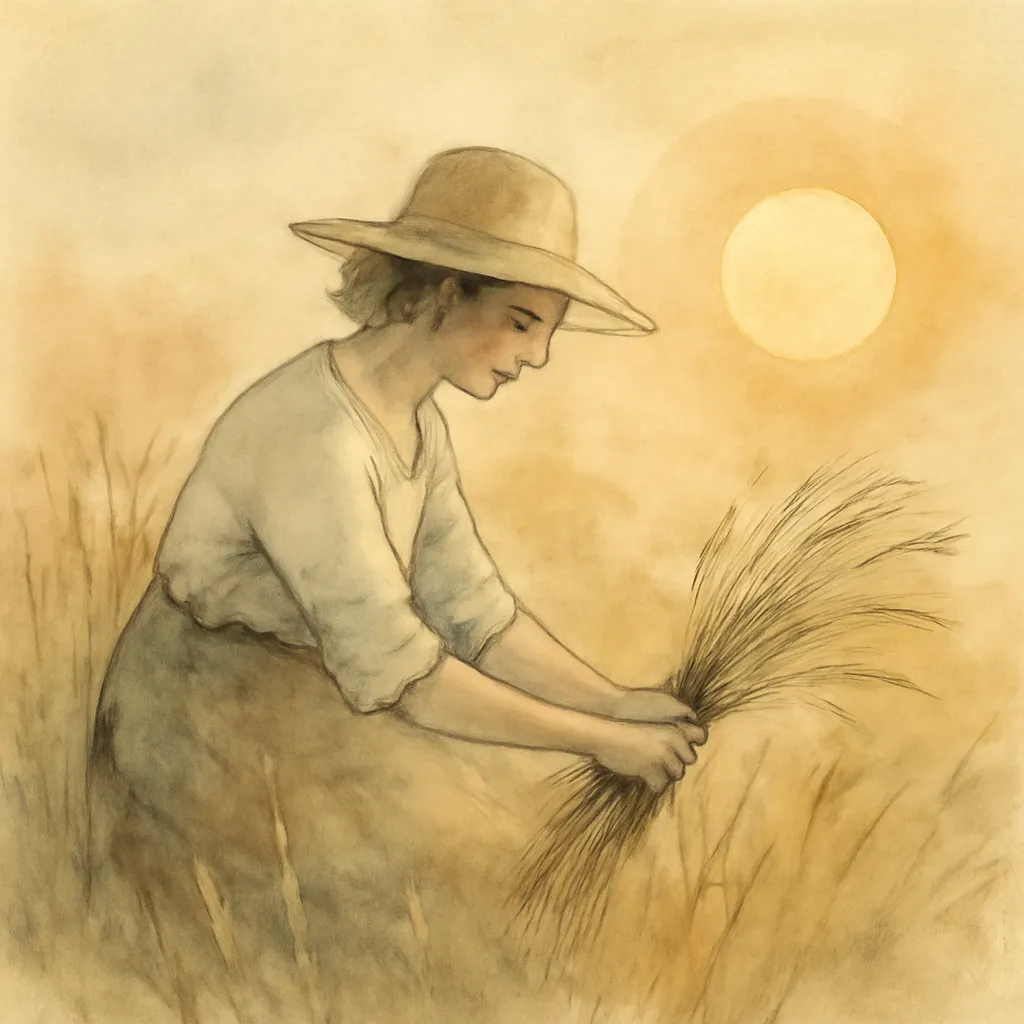
Jefferies acknowledges the significant contributions of women in the agricultural landscape, particularly through the essay 'Field-faring Women.' He portrays women not just as passive figures but as active participants in the labor force, often shouldering considerable responsibilities alongside their male counterparts. Their roles extend beyond mere support; they are integral to the success of farming operations. Jefferies highlights their resilience and strength, as they manage household duties while engaging in fieldwork. This duality of labor underscores the collaborative nature of rural life, where men and women work together to sustain their families and communities. By bringing attention to the often-overlooked contributions of women, Jefferies enriches the narrative of agricultural life, providing a more comprehensive understanding of the dynamics at play.
8.The Importance of Community
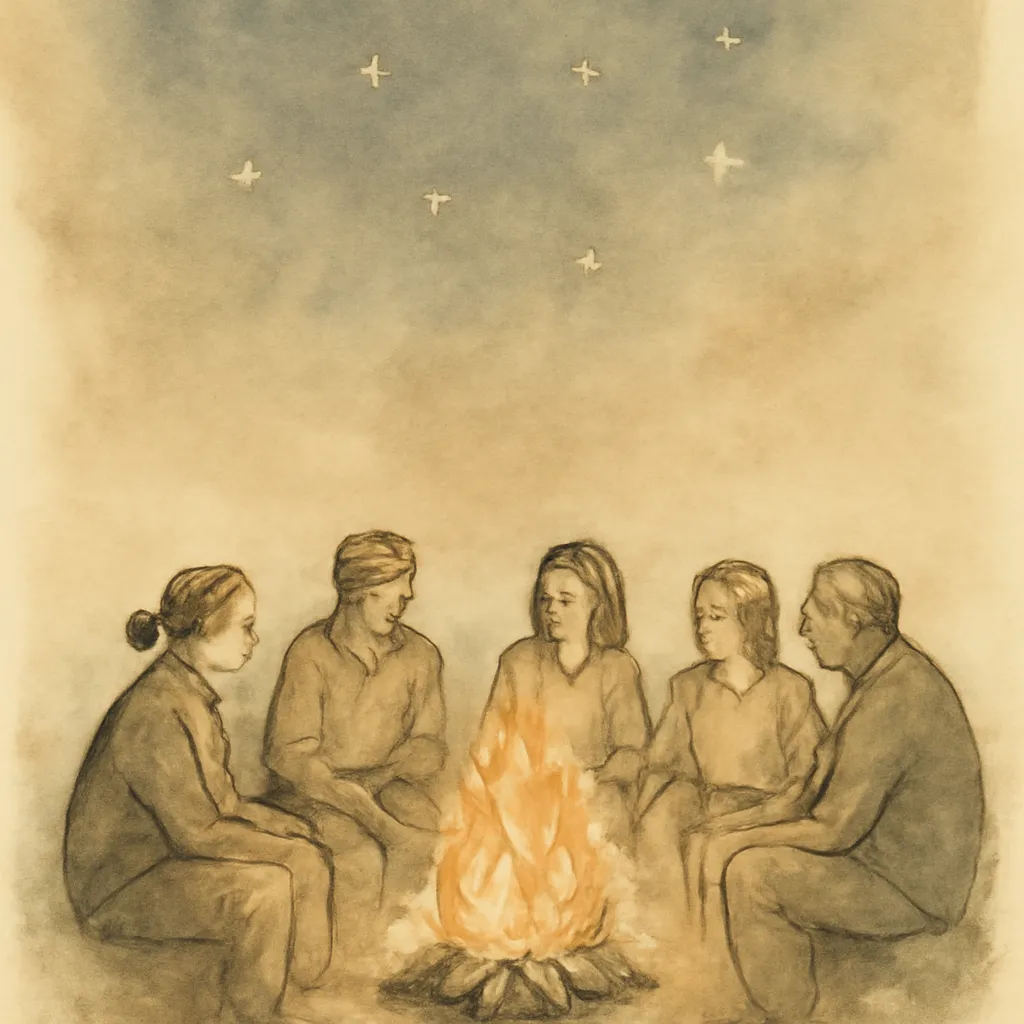
Throughout his essays, Jefferies emphasizes the importance of community and social cohesion in rural life. The bonds formed among laborers, families, and neighbors provide a support system that is crucial for survival in the face of economic hardships. He illustrates how communal events, such as weddings and harvest celebrations, strengthen these ties and foster a sense of belonging. However, he also acknowledges the challenges that arise within tight-knit communities, including jealousy and rivalry. These complexities add depth to his portrayal of rural life, revealing that while community can be a source of comfort, it can also bring its own set of struggles. Jefferies’ exploration of community dynamics offers valuable insights into the social fabric of rural England, underscoring the interplay between individual and collective experiences.
9.The Interplay of Tradition and Change
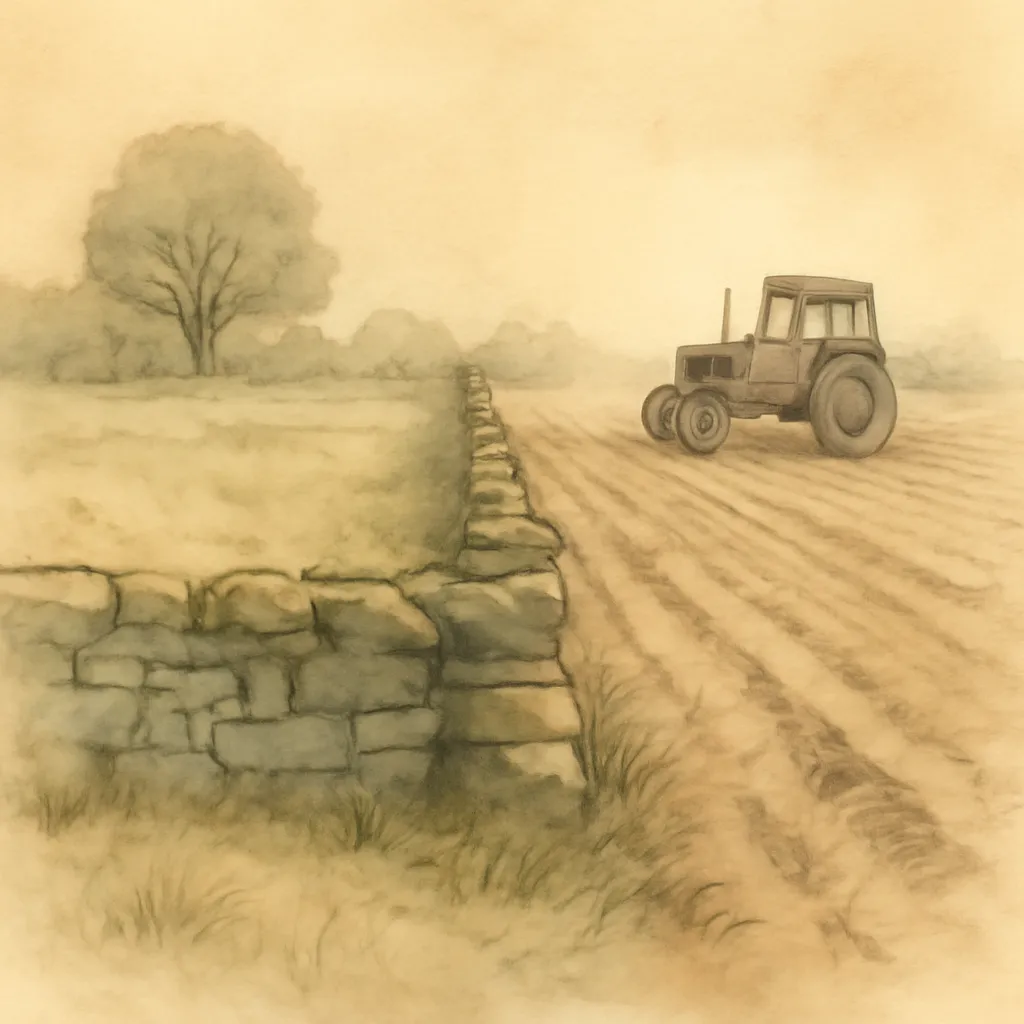
Jefferies navigates the tension between tradition and change in the rural landscape, particularly as modernization begins to influence agricultural practices. He reflects on the enduring customs that have shaped rural life for generations, juxtaposed with the emerging changes brought about by industrialization and urbanization. The arrival of new farming techniques and technologies poses both opportunities and challenges for laborers, who must adapt to a rapidly changing environment. Jefferies captures this struggle, illustrating how the past continues to inform the present while also acknowledging the necessity of progress. This interplay serves as a reminder of the resilience of rural communities, as they strive to maintain their identity amid the forces of change that threaten to reshape their way of life.
10.A Call to Awareness
Ultimately, Jefferies' work serves as a call to awareness regarding the lives of agricultural laborers and the importance of understanding their experiences. Through his detailed observations and empathetic portrayals, he encourages readers to consider the complexities of rural life and the social structures that underpin it. By shedding light on the struggles and triumphs of laborers, he seeks to foster a greater appreciation for their contributions to society and the land. Jefferies’ advocacy for improved conditions and treatment of laborers resonates as a timeless reminder of the need for compassion and understanding in addressing social inequalities. His work invites readers to engage with the lives of those who toil in the fields, recognizing their dignity and humanity.