
Philosophy · Will · Idea (Philosophy)
The World as Will and Representation by Arthur Schopenhauer — Summary, Key Ideas & Quotes
1819514 pages✦ 3-min Big ideas★ 3.3 (3)
Rate it
The German philosopher explains his thoughts about intellectual perception and abstract representation and critically analyzes Kant's ideas and teachings. Bibliogs.
Schopenhauer argues that the world we experience is not reality itself, but a representation shaped by our minds. Drawing from Kant, he claims that space, time, and causality are not properties of things-in-themselves, but forms through which we perceive phenomena. Our knowledge is thus always mediated, and the 'world' as we know it is a construct of our cognitive faculties, not an objective external reality.
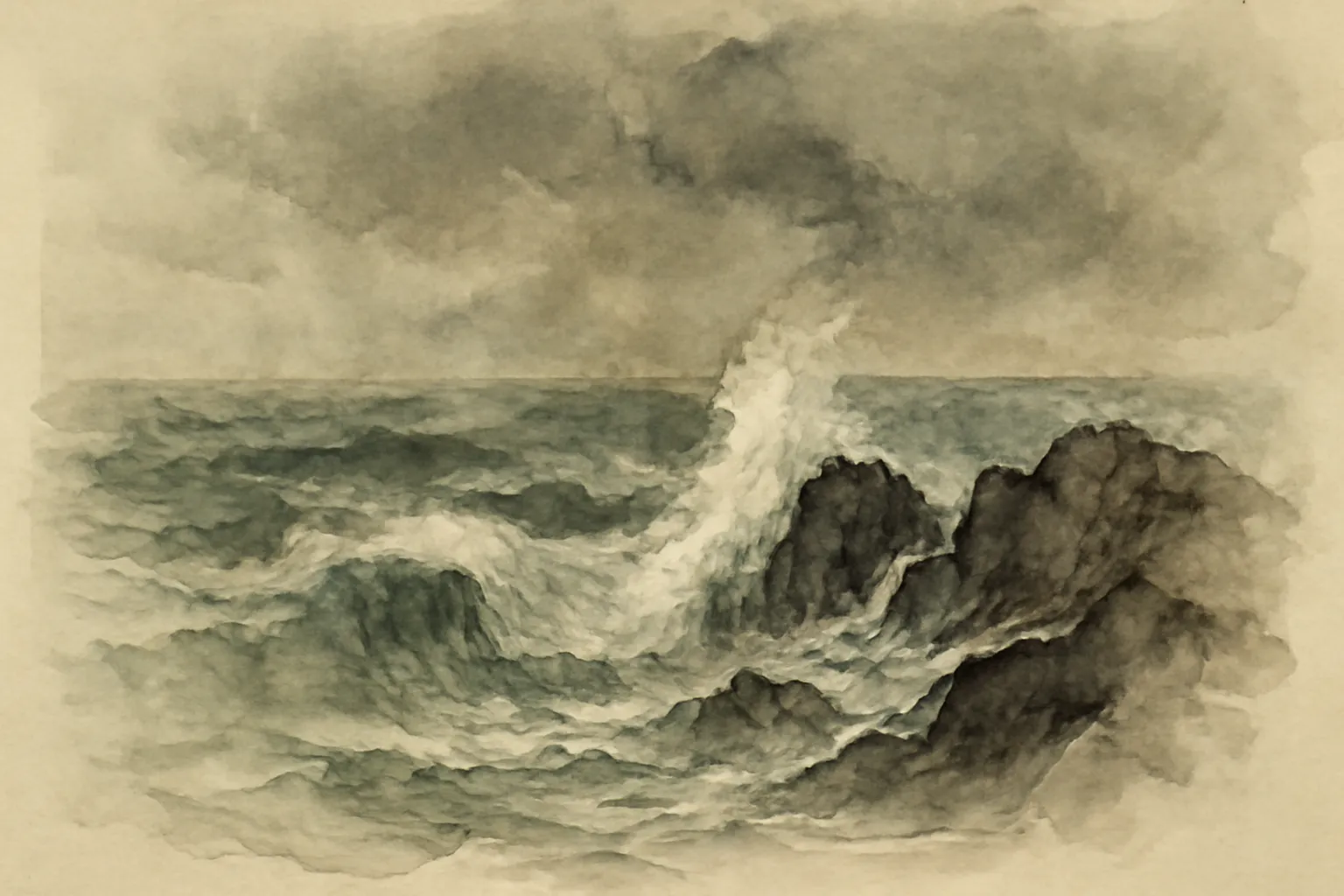
Going beyond Kant, Schopenhauer identifies the 'thing-in-itself'—the underlying reality behind appearances—as 'will': a blind, irrational, and restless striving that manifests in everything from gravity to human desire. This will is the true essence of the world, underlying all phenomena and driving all living beings. Our own inner experience of willing gives us a unique window into this otherwise unknowable reality.
“The world is my representation.”
“Man can do what he wills but he cannot will what he wills.”
“Life swings like a pendulum backward and forward between pain and boredom.”