1.The World as Representation
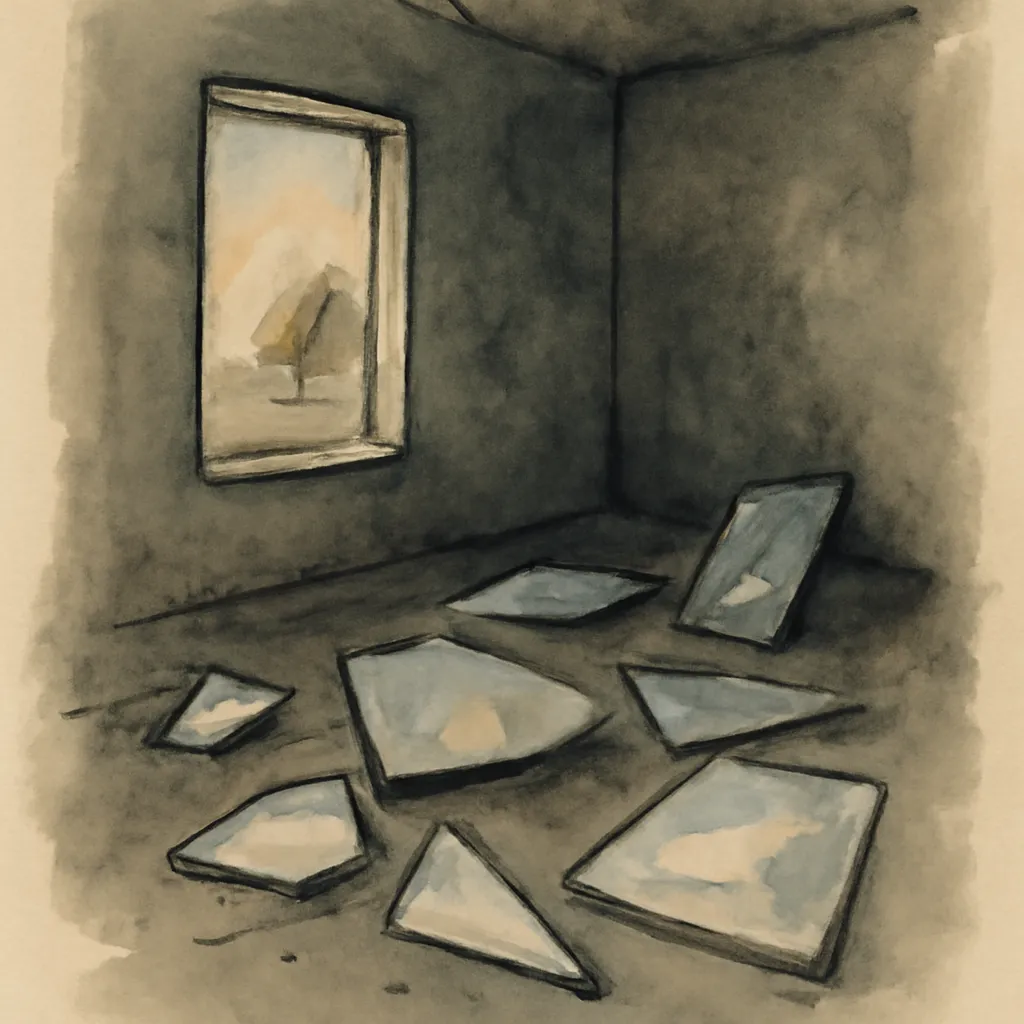
Schopenhauer argues that the world we experience is not reality itself, but a representation shaped by our minds. Drawing from Kant, he claims that space, time, and causality are not properties of things-in-themselves, but forms through which we perceive phenomena. Our knowledge is thus always mediated, and the 'world' as we know it is a construct of our cognitive faculties, not an objective external reality.
2.The Will as the Thing-in-Itself
Going beyond Kant, Schopenhauer identifies the 'thing-in-itself'—the underlying reality behind appearances—as 'will': a blind, irrational, and restless striving that manifests in everything from gravity to human desire. This will is the true essence of the world, underlying all phenomena and driving all living beings. Our own inner experience of willing gives us a unique window into this otherwise unknowable reality.
3.Suffering and the Human Condition
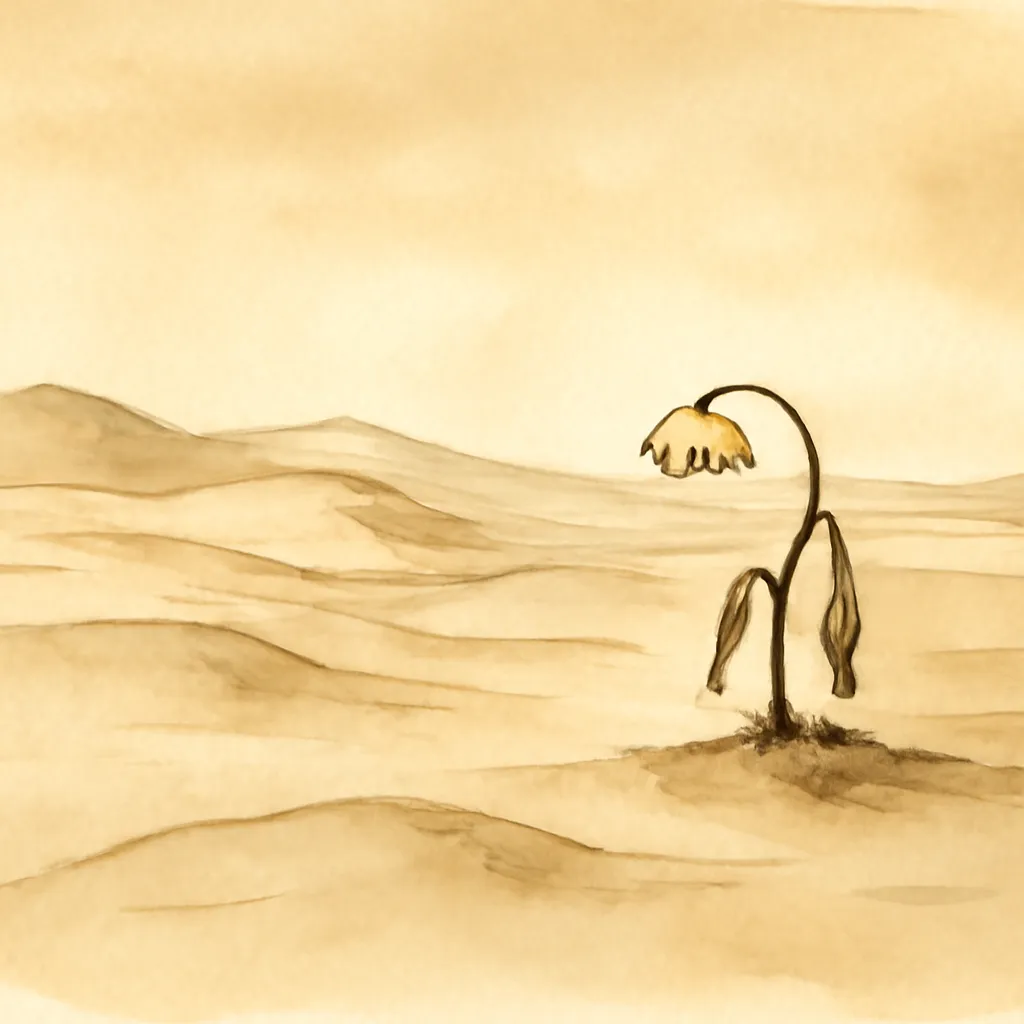
Because will is endless striving, Schopenhauer sees suffering as fundamental to existence. Desire can never be fully satisfied; once one want is fulfilled, another arises. This cycle of longing and frustration is, for Schopenhauer, the root of human misery. Happiness is fleeting, while pain and dissatisfaction are constant companions.
4.Art as Redemption
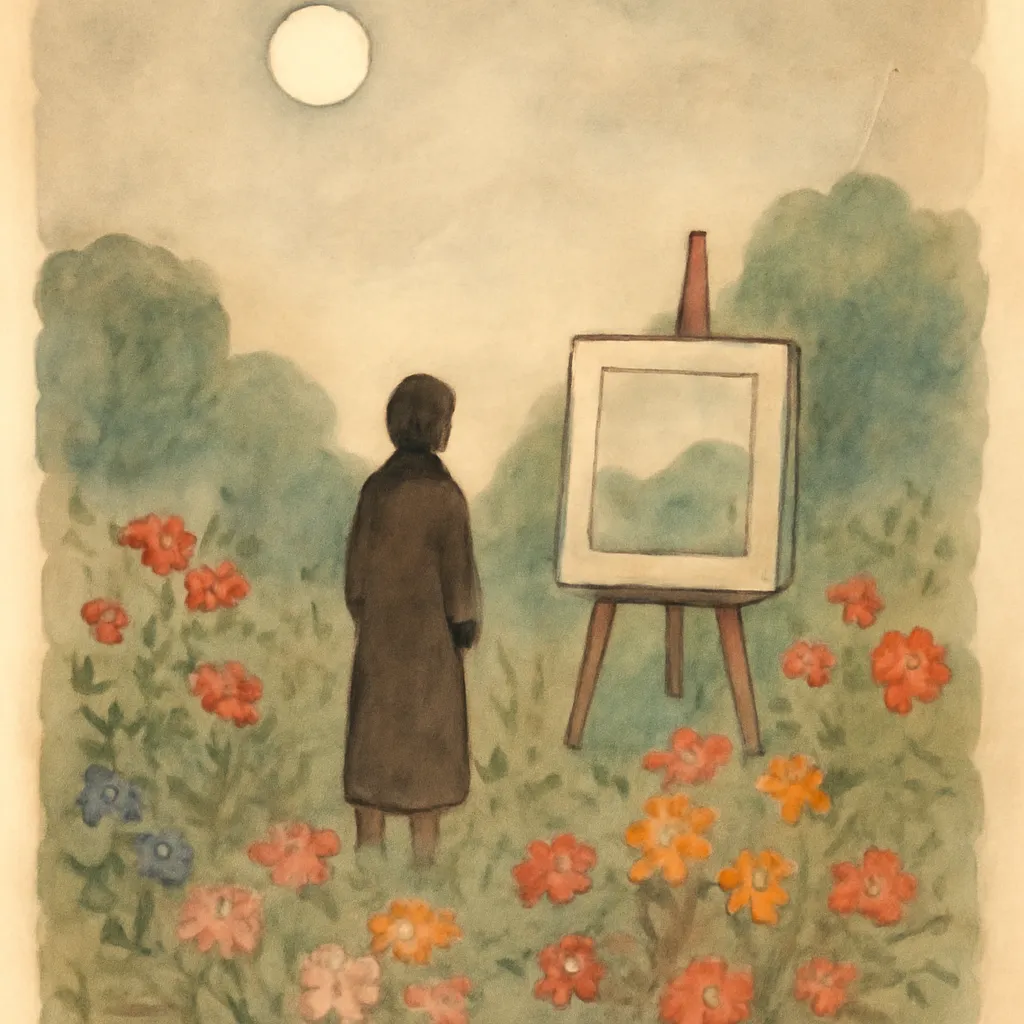
Schopenhauer believes that art offers a rare escape from the tyranny of will. In aesthetic contemplation, we lose ourselves in the pure perception of beauty, momentarily forgetting our desires and individuality. Through music, which he sees as the highest art, we connect most directly with the essence of will, yet are liberated from its demands.
5.Ethics of Compassion and Asceticism
Recognizing the ubiquity of suffering leads, for Schopenhauer, to compassion as the basis of morality. He also advocates for ascetic practices—renouncing desires and personal will—as a way to diminish suffering. Saints and sages, who overcome their own will, represent the ethical ideal in his system.
6.Critique of Optimism
Schopenhauer stands in stark contrast to the optimistic philosophies of his time, such as those of Hegel or Leibniz. He rejects the idea that the world is rational or the best of all possible worlds, instead presenting a tragic, pessimistic vision that emphasizes the ubiquity of pain and the futility of striving.