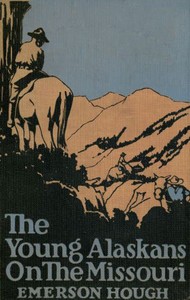
Adventure · Fiction
The Young Alaskans on the Missouri by Emerson Hough — Summary, Key Ideas & Full Text
257 pages33 chapters5h 10m read3h 40m speed read✦ 10-min Big ideasFree · no account
Rate it
Experience the thrilling adventure and historical significance of Lewis and Clark's expedition through the eyes of young explorers
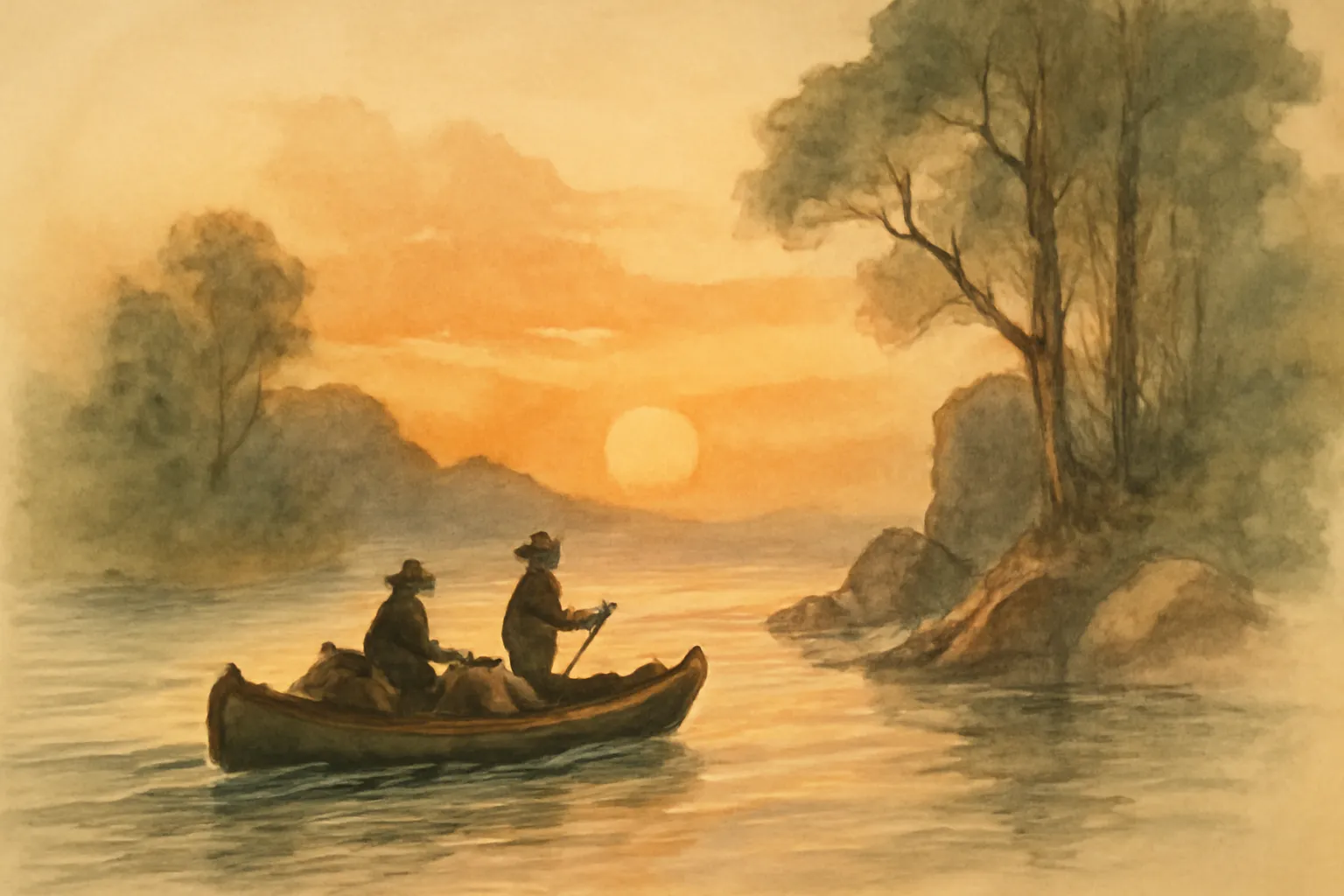
Set against the backdrop of post-war America, 'The Young Alaskans on the Missouri' invites readers to join a group of young adventurers as they retrace the iconic journey of Lewis and Clark along the Missouri River. Through their eyes, we gain insight into the challenges and triumphs of early American exploration, the beauty of the wilderness, and the spirit of adventure that defined a nation. The narrative weaves together historical facts with the youthful exuberance of the characters, making the story both educational and engaging. Readers will discover the intricate details of the expedition, from the navigational challenges posed by the Missouri River to the camaraderie and teamwork necessary for survival. Ultimately, it is a journey that not only explores the physical landscape of America but also the moral and cultural landscape that shaped its history.
In 'The Young Alaskans on the Missouri,' readers are taken on an exhilarating journey that blends adventure with historical exploration. Through the eyes of young adventurers, the book captures the essence of Lewis and Clark's expedition while also emphasizing the importance of friendship, teamwork, and respect for nature. The trials and triumphs faced by the boys serve as a mirror for the challenges encountered in any journey, encouraging readers to embrace their own adventures with courage and curiosity. Ultimately, the narrative celebrates the spirit of exploration as a vital part of the American identity, inspiring readers to seek out their own paths and appreciate the beauty of the world around them. As the boys navigate the waters of the Missouri River, they not only retrace the steps of history but also carve their own place within it, reminding us all that the spirit of adventure lives on.
“America doesn't play any game to lose it.”
“Call her 'Adventurer, of America.”
“I should think it was enough!”
Emerson Hough has 3 works free to read on Lumina, including The Lady and the Pirate: Being the Plain Tale of a Diligent Pirate and a Fair Captive, The Young Alaskans