1.The Call of Adventure
Uncle Dick's restlessness after the war serves as a catalyst for the boys' journey, highlighting the enduring spirit of exploration that characterizes America. His desire to teach the boys about their country's history reflects a broader theme of reconnecting with one's roots and understanding the sacrifices made by past generations. The dialogue between Uncle Dick and his sister underscores the tension between a settled life and the allure of adventure, suggesting that the call of the wild is an integral part of the American identity. This theme resonates with readers, particularly in a modern context where the pull of adventure often competes with the comforts of home. Through Uncle Dick's fervor, we see how exploration is not only about physical journeys but also about personal growth and discovery, embodying the transformative power of adventure.
2.Mapping the Journey
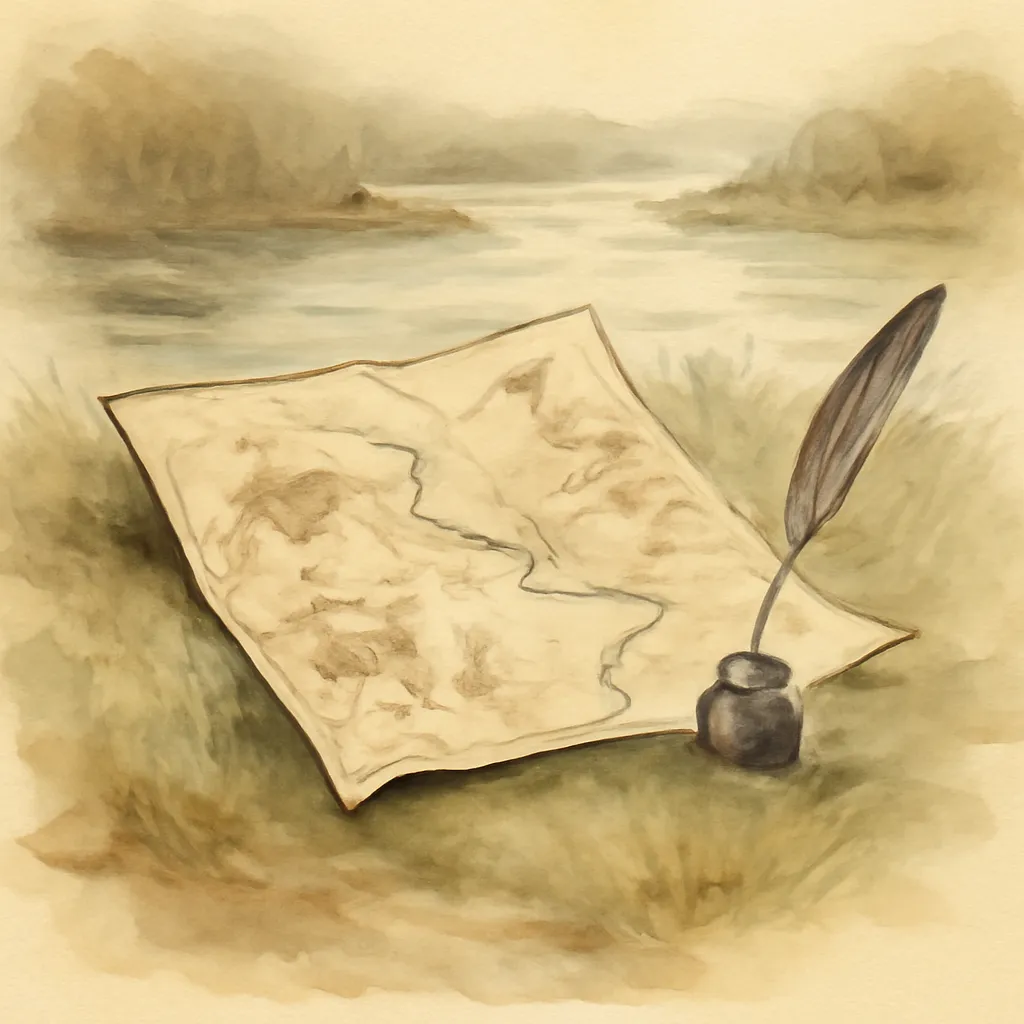
The boys' fascination with maps and navigation reflects not only their youthful curiosity but also the practical challenges faced by Lewis and Clark. Uncle Dick's admiration for Captain Clark's mapping skills emphasizes the importance of accurate navigation in exploration. The discussion about the various tools and methods used for mapping—from burnt sticks to willow twigs—illustrates the ingenuity required to traverse uncharted territories. This element of the narrative serves to educate readers about the historical significance of cartography in shaping America's understanding of its geography. As the boys prepare their own maps, they engage with the history of exploration in a tangible way, fostering a sense of connection to the past. The act of mapping becomes a metaphor for understanding one's place in the world, highlighting the intersection between adventure and knowledge. It also illustrates the trials of early explorers, who faced the daunting task of charting unknown lands with limited resources.
3.The Spirit of Lewis and Clark
Uncle Dick's admiration for Lewis and Clark as 'the two greatest bunkies and buddies of all the world' encapsulates the essence of teamwork and friendship that defined their expedition. The boys' discussions about the contrasting personalities of Lewis and Clark—Lewis as the visionary leader and Clark as the practical engineer—demonstrate the importance of diverse skills in achieving a common goal. This partnership is mirrored in the boys' own camaraderie as they prepare for their adventure, emphasizing that success in exploration often hinges on collaboration and mutual support. The narrative invites readers to reflect on the value of teamwork, not just in exploration but in all aspects of life. By embodying the spirit of Lewis and Clark, the boys learn that adventure is not solely about individual bravery but about fostering strong bonds with others. This theme resonates deeply as it highlights the notion that achievements are often the result of collective efforts rather than solitary endeavors.
4.Navigating the Missouri
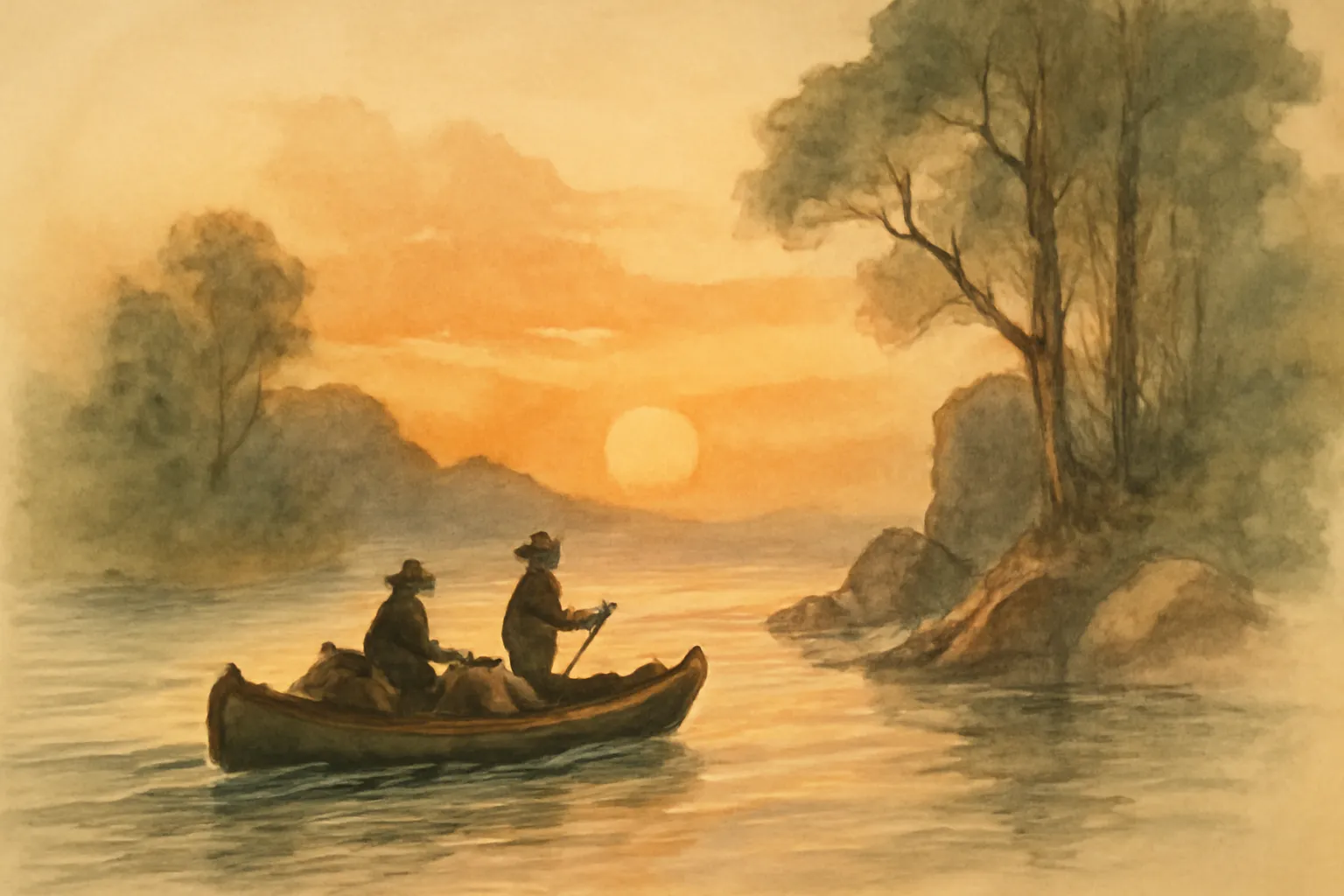
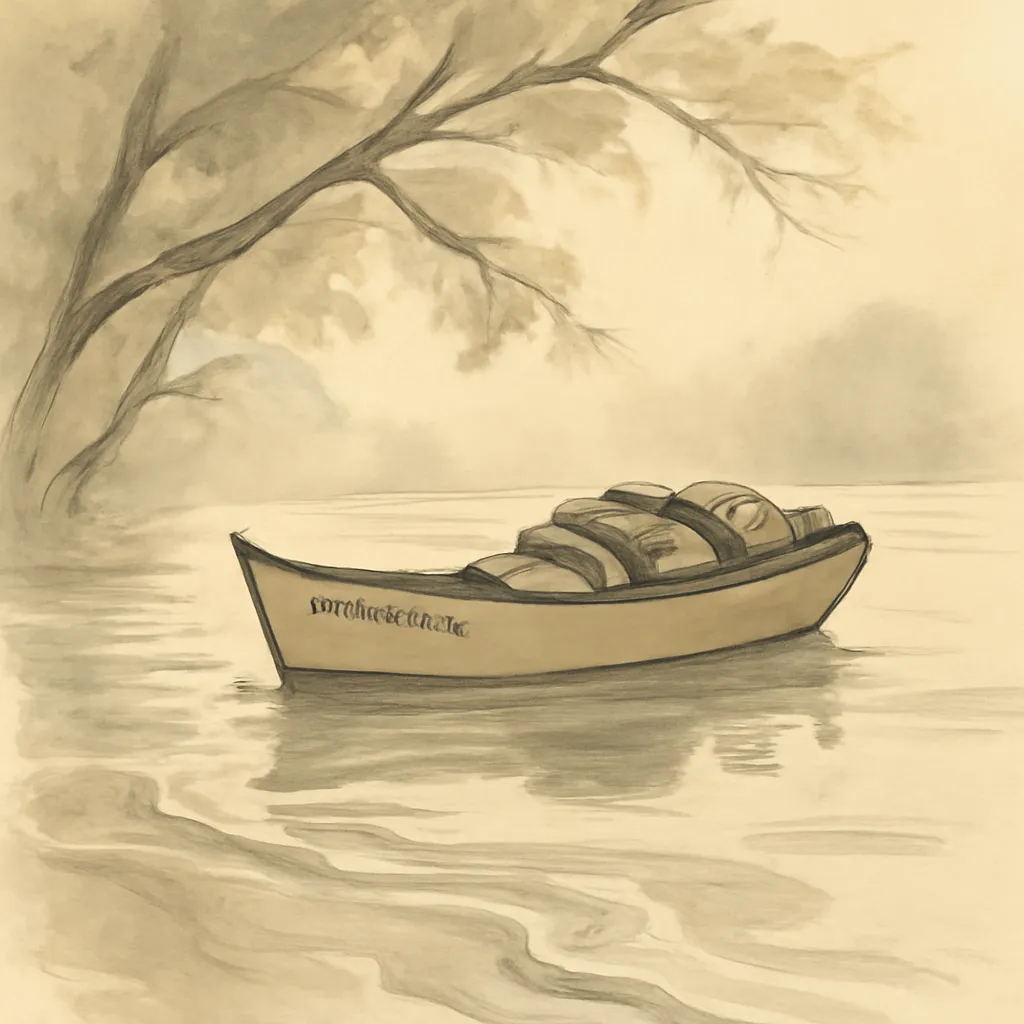
The challenges of navigating the Missouri River are vividly depicted as Uncle Dick instructs the boys on how to load their boat, the 'Adventurer.' His emphasis on balancing the boat to avoid snags and sweepers highlights the practical skills necessary for river travel. The boys' laughter over Jesse's appetite provides a lighthearted contrast to the serious business of navigation, illustrating the blend of joy and struggle inherent in adventure. The narrative details the historical context of the river, describing how Lewis and Clark faced similar challenges with their own boats. This connection to the past enriches the readers' understanding of the difficulties encountered by early explorers, making their journey relatable and engaging. The act of navigating becomes a lesson in resilience, teaching the boys—and readers—about the importance of adaptability and problem-solving in the face of unexpected obstacles.
5.The Weight of History
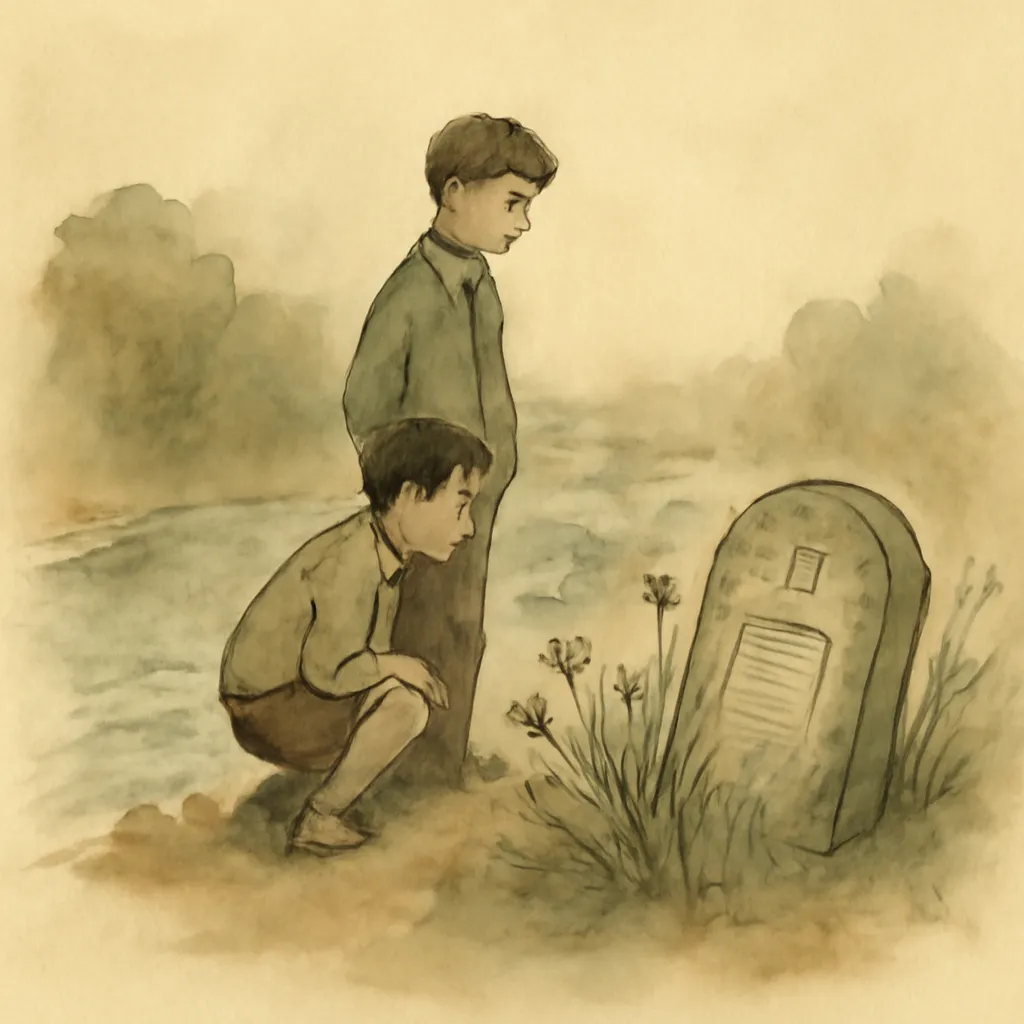
As the boys journey up the river, they encounter remnants of history that connect them to the past. Uncle Dick's stories about Daniel Boone and the early settlers serve as a reminder of the sacrifices made by those who came before them. This element of the narrative encourages readers to consider the weight of history that accompanies any adventure. The boys' discovery of the cave known as the 'Tavern,' once a stopping point for river men, symbolizes the intersection of their own journey with the historical paths forged by others. This connection to history instills a sense of responsibility in the boys, urging them to honor the legacy of exploration while paving their own paths. The narrative suggests that understanding the past is essential for appreciating the present, reinforcing the idea that adventure is not just about personal achievement but also about recognizing one's place in a larger historical context. Uncovering these historical layers adds depth to their adventure, making it as much about discovery as it is about exploration.
6.The Trials of the River
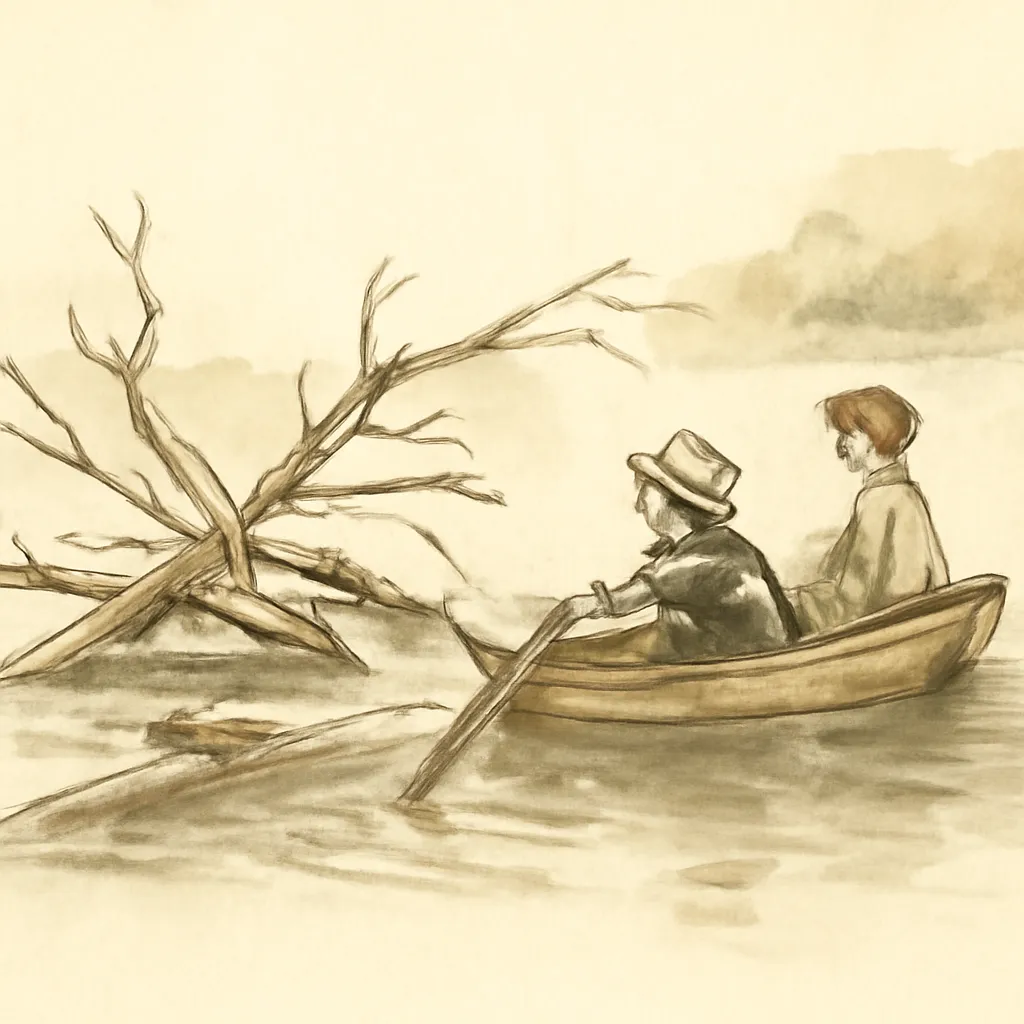
The boys' encounters with snags, sweepers, and rolling sands on the river reflect the unpredictable nature of adventure. Uncle Dick's practical advice about loading the boat and navigating the treacherous waters emphasizes the need for caution and preparedness. This theme resonates with readers, as it highlights the balance between excitement and danger inherent in exploration. The boys' camaraderie shines through as they work together to overcome obstacles, reinforcing the idea that adventure is best experienced in the company of friends. Their laughter and banter provide a sense of levity amidst the challenges, illustrating how humor can be a powerful tool for coping with adversity. The narrative invites readers to reflect on their own adventures, encouraging them to embrace challenges with a positive attitude and a spirit of teamwork. As they face trials, the boys learn valuable lessons about perseverance, adaptability, and the importance of community—lessons that echo far beyond their journey.
7.The Wilderness and Its Wonders
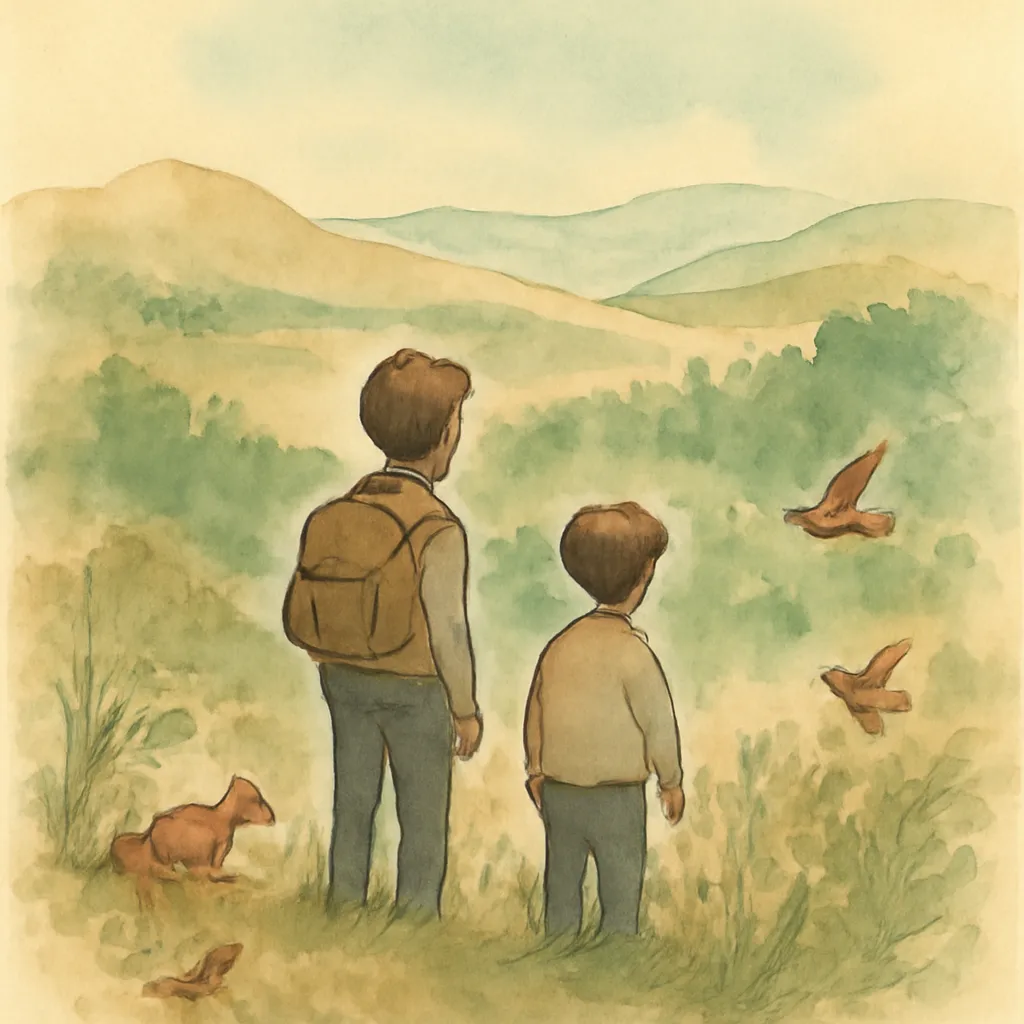
The beauty of the Missouri River and its surrounding landscapes comes alive through the boys' observations and descriptions. Their awe at the natural beauty—fields, forests, and wildlife—serves as a reminder of the rich biodiversity that exists in America. Uncle Dick's knowledge of the flora and fauna enhances their appreciation of the wilderness, inviting readers to consider the importance of environmental stewardship. As the boys encounter deer, bears, and other wildlife, they not only observe but also reflect on their interdependence with nature. This connection to the natural world fosters a sense of responsibility, urging the boys—and readers—to protect and preserve it for future generations. The narrative celebrates the wilderness as a source of inspiration, instilling a deep respect for the environment. By immersing themselves in nature, the boys learn that adventure is intertwined with an appreciation for the beauty and complexity of the world around them.
8.Courage in the Face of Danger
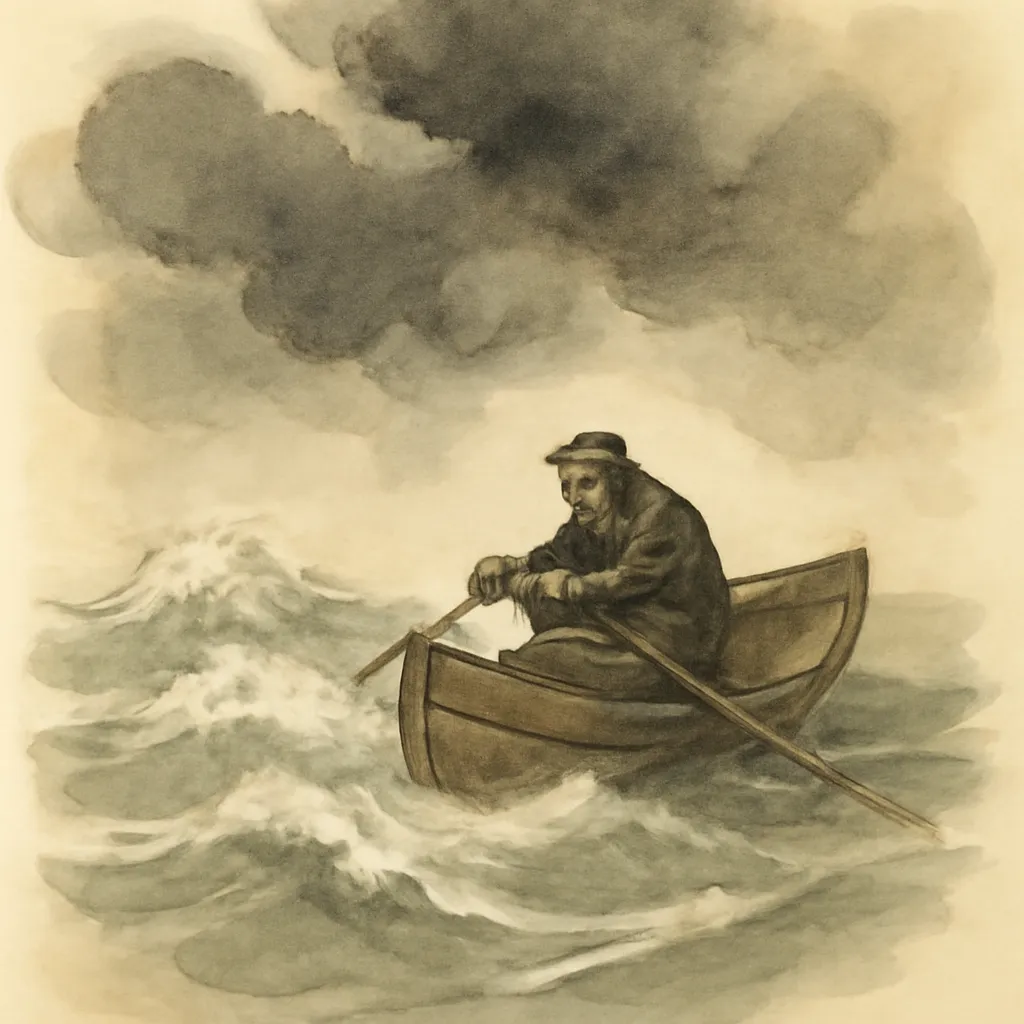
The boys' experiences during a storm highlight the unpredictable nature of adventure and the courage required to face danger. Uncle Dick's quick thinking and decisive actions during the shipwreck demonstrate the importance of leadership in crisis situations. The boys' ability to remain calm and work together to save the boat and themselves reflects their growth as adventurers. This moment serves as a turning point in their journey, reinforcing the idea that true courage is not the absence of fear but the willingness to act despite it. The narrative invites readers to consider their own responses to adversity, encouraging them to cultivate resilience and bravery in the face of challenges. By confronting danger head-on, the boys not only learn valuable survival skills but also develop a deeper understanding of themselves and their capabilities. This theme resonates with readers, illustrating that courage is a fundamental quality needed not just in exploration but in everyday life.
9.The Bonds of Friendship

Throughout their journey, the bonds of friendship between the boys and Uncle Dick are tested and strengthened. Their shared experiences—both the joys and the challenges—forge lasting connections that transcend their individual personalities. The narrative emphasizes the importance of camaraderie in adventure, illustrating how teamwork and mutual support can enhance the experience. The boys' playful banter and supportive interactions reflect the joy of shared exploration, reinforcing the idea that adventure is best experienced with friends. This theme resonates with readers of all ages, encouraging them to value their relationships and seek out adventures together. Ultimately, the narrative celebrates friendship as a cornerstone of the human experience, reminding readers that the journey is often more meaningful when shared with others. By facing challenges side by side, the boys learn that their bonds are strengthened through shared trials, laughter, and triumphs.
10.Discovery and Understanding
As the boys travel further along the Missouri, they encounter various peoples, landscapes, and historical sites, which deepen their understanding of the American frontier. Their interactions with local inhabitants and reflections on their cultural significance provide insight into the diverse tapestry of American life. This exploration of different perspectives encourages readers to appreciate the complexity of history and the multifaceted nature of human experiences. Uncle Dick's storytelling about the early settlers and Native Americans illustrates the importance of recognizing multiple narratives in understanding the past. Through these encounters, the boys learn that adventure is not only about physical exploration but also about fostering empathy and awareness of the world around them. This theme prompts readers to consider how their own journeys can lead to greater understanding and connection with others.