

Intuition · Thought and thinking · Reasoning
Thinking, fast and slow by Daniel Kahneman, Daniel Kahneman — Summary, Key Ideas & Quotes
2011528 pages✦ 3-min Big ideas★ 4.1 (234)
Rate it
In his mega bestseller, Thinking, Fast and Slow, Daniel Kahneman, world-famous psychologist and winner of the Nobel Prize in Economics, takes us on a groundbreaking tour of the mind and explains the two systems that drive the way we think. System 1 is fast, intuitive, and emotional; System 2 is slower, more deliberative, and more logical. The impact of overconfidence on corporate strategies, the difficulties of predicting what will make us happy in the future, the profound effect of cognitive biases on everything from playing the stock market to planning our next vacation―each of these can be understood only by knowing how the two systems shape our judgments and decisions. Engaging the reader in a lively conversation about how we think, Kahneman reveals where we can and cannot trust our intuitions and how we can tap into the benefits of slow thinking. He offers practical and enlightening insights into how choices are made in both our business and our personal lives―and how we can use different techniques to guard against the mental glitches that often get us into trouble. Topping bestseller lists for almost ten years, Thinking, Fast and Slow is a contemporary classic, an essential book that has changed the lives of millions of readers.
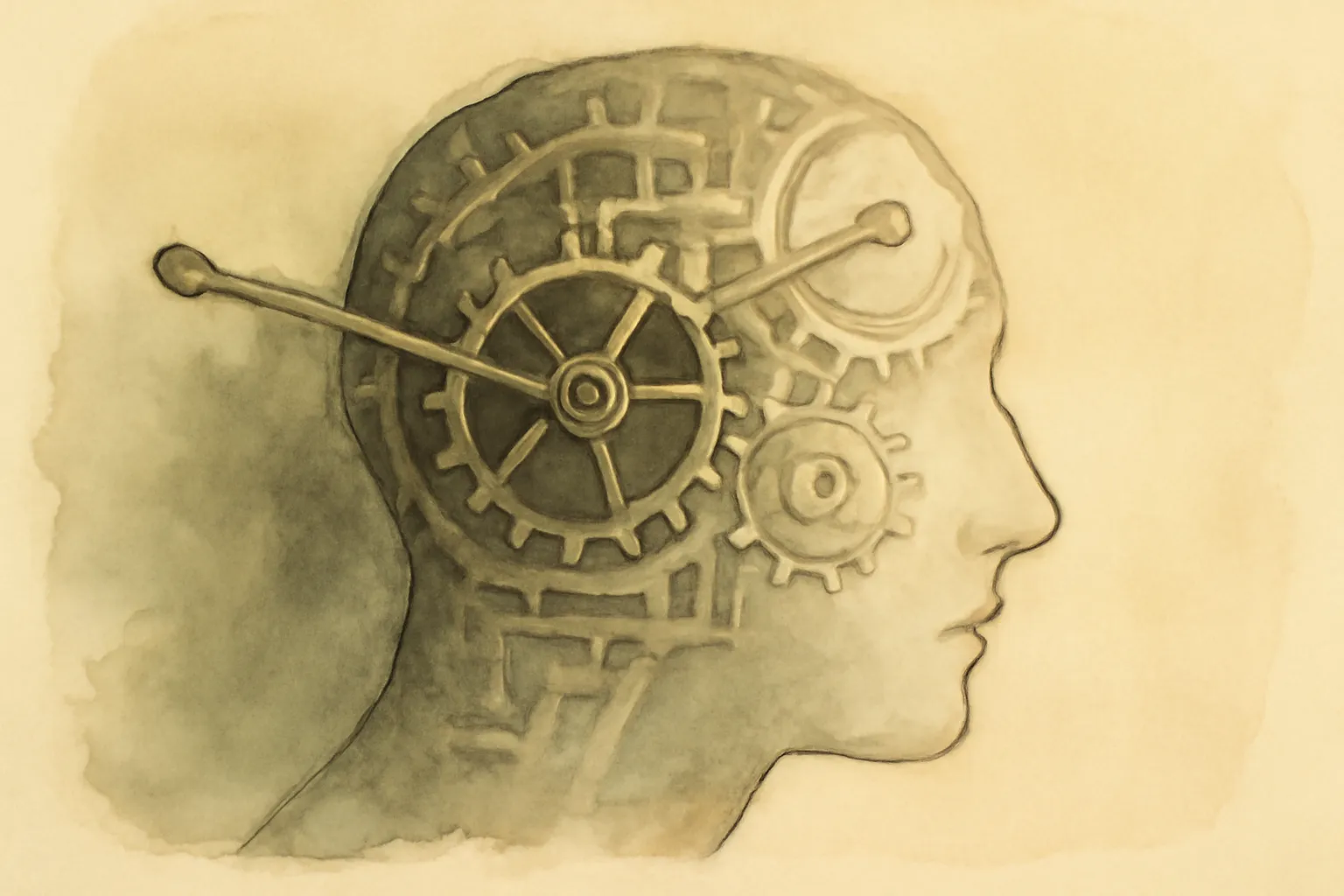
Kahneman introduces the concept of System 1 and System 2 thinking. System 1 is fast, automatic, and intuitive—responsible for snap judgments and gut reactions. System 2 is slow, deliberate, and analytical—engaged when we solve complex problems or question our instincts. Much of our daily thinking relies on System 1, but System 2 is crucial for critical reasoning. Recognizing which system is at work helps us understand why we sometimes make errors in judgment.
The book explores how our reliance on mental shortcuts (heuristics) and biases can lead us astray. From overconfidence to anchoring effects, Kahneman details how these cognitive habits distort our perception of reality. For example, we often overestimate our knowledge, underestimate risks, or are swayed by irrelevant information. By exposing these biases, Kahneman encourages readers to question their assumptions and seek more objective perspectives.
“Nothing in life is as important as you think it is, while you are thinking about it.”
“What you see is all there is.”
“A reliable way to make people believe in falsehoods is frequent repetition, because familiarity is not easily distinguished from truth.”